
-

Single-Pilot Operations: What the Approval Requires Beyond Onboard Systems
The flight manual says « minimum crew: one pilot, » the aircraft is equipped, the pilots are type-qualified. None of that authorises boarding a…
-

Rapid Growth at an Operator: The Point Where the Organisation Outgrows Its Certificate
A sixth aircraft joins the fleet in spring, a third base opens in summer, and by autumn the compliance monitoring programme shows…
-

Integrated or Modular Training: What Cost Comparisons Always Leave Out
Two quotes side by side. The first states a single all-inclusive price for a continuous course lasting roughly two years. The second…
-
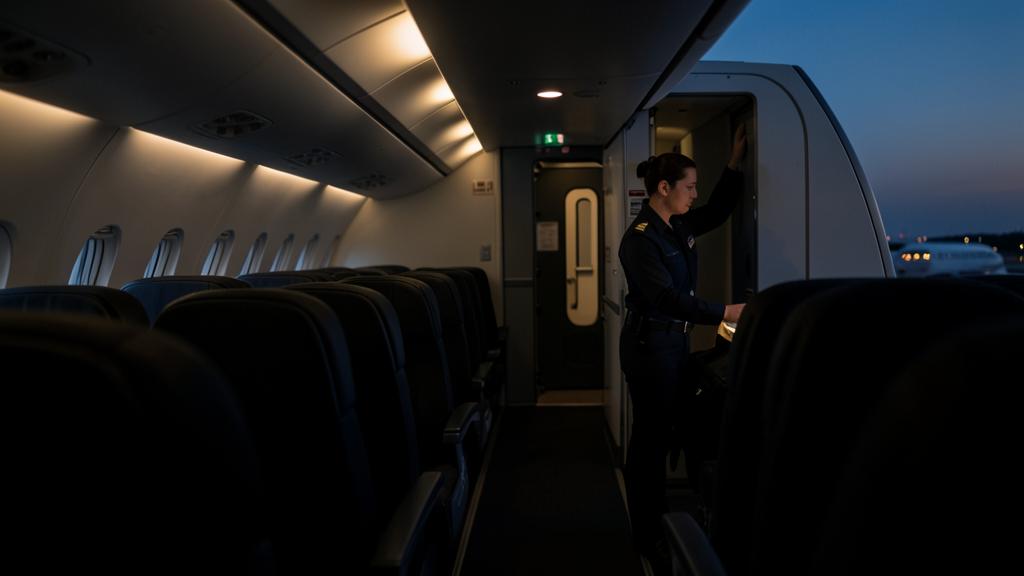
Minimum Cabin Crew Complement: Where the Number Comes From, and What Remains Possible When Someone Is Missing
Forty passengers booked on an aircraft with one hundred and eighty seats, and a cabin crew member who fails to show up…
-

GNSS Jamming and Spoofing: What the Crew Sees, and the Right Response
Cruising over an area known for interference, two receivers announce the loss of GPS within seconds of each other; the aircraft ahead…
-
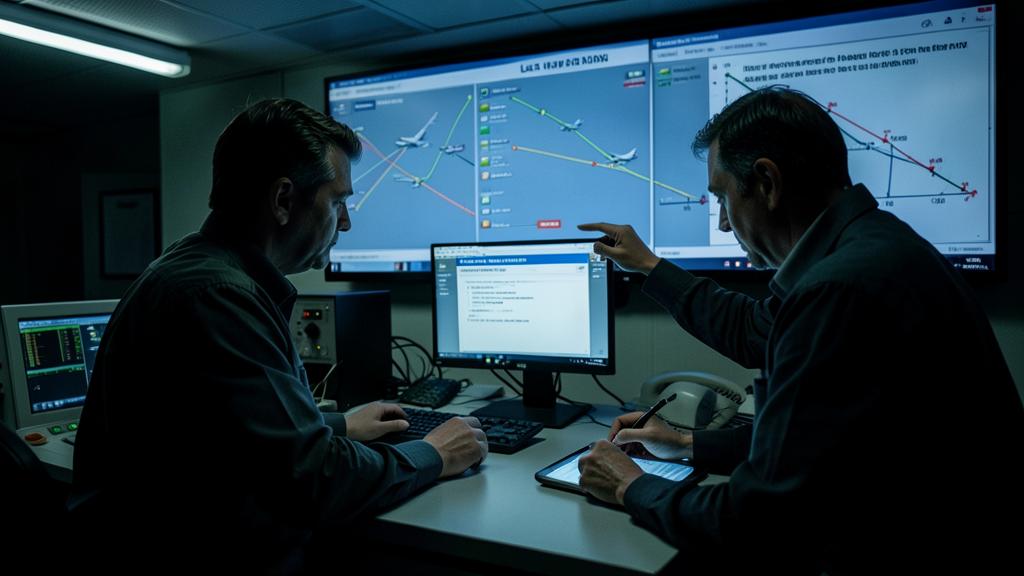
Level 1 Finding: Building a Corrective Action Plan That’s Accepted the First Time
The case is banal. An audit flags a handful of rotations operated by a captain whose proficiency check had lapsed several days…
-
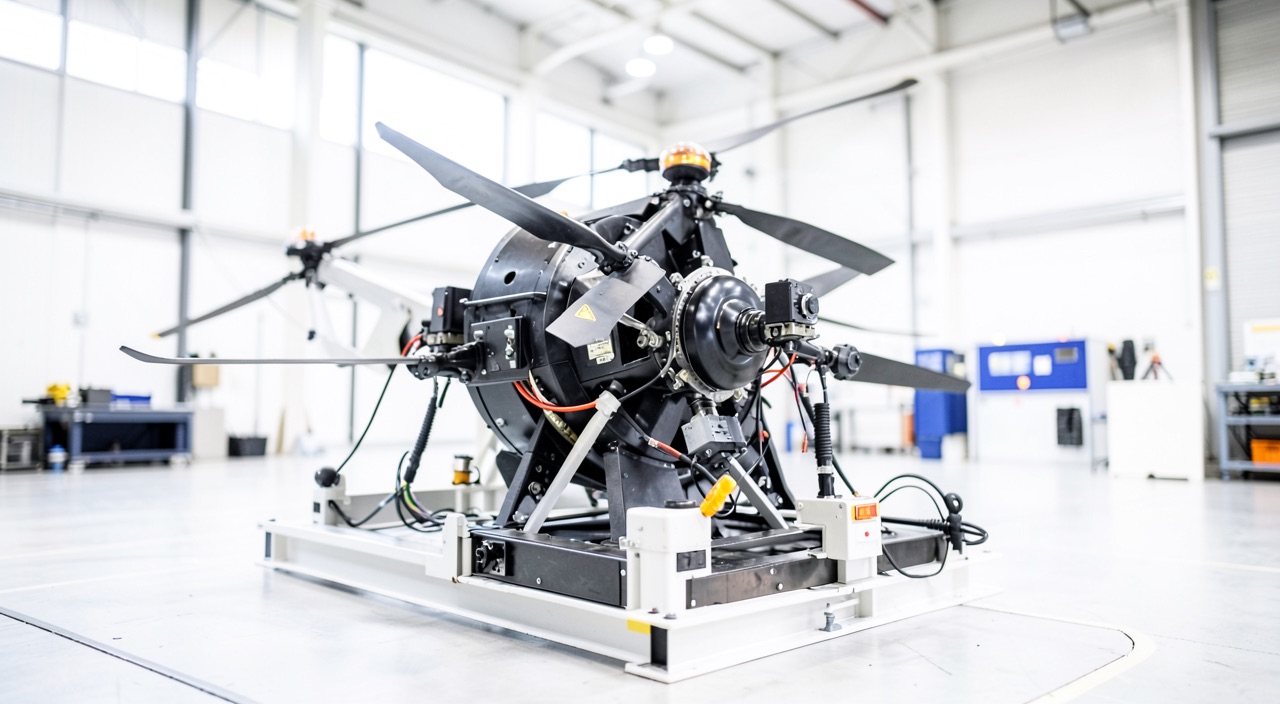
eVTOL: why the hover-to-cruise transition locks up certification
A tilt-rotor demonstrator, halfway between hover and cruise, loses an inverter on the left side. The flight control law knows what to…
-

Experience Required Before the First Maintenance License: What the Authority Actually Counts
A first-license application is rarely rejected over duration. It is rejected over what the lines actually say: three years in the same…
-
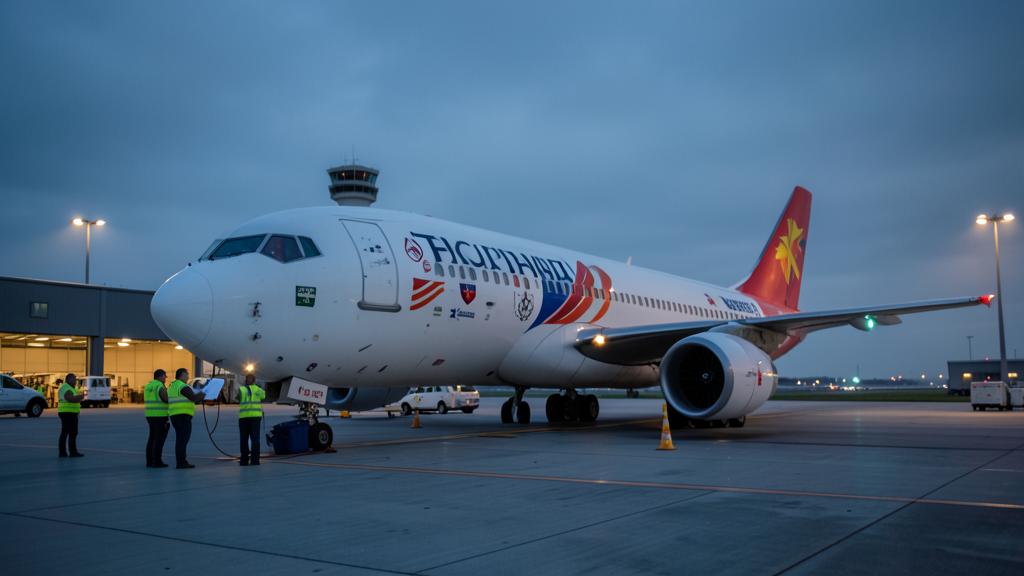
Third-Country Operator Authorisation: A Parallel File, Different Requirements
A winter charter signed in September, a widebody arriving from a third country, the crew supplied with the aircraft: the contract runs…
-
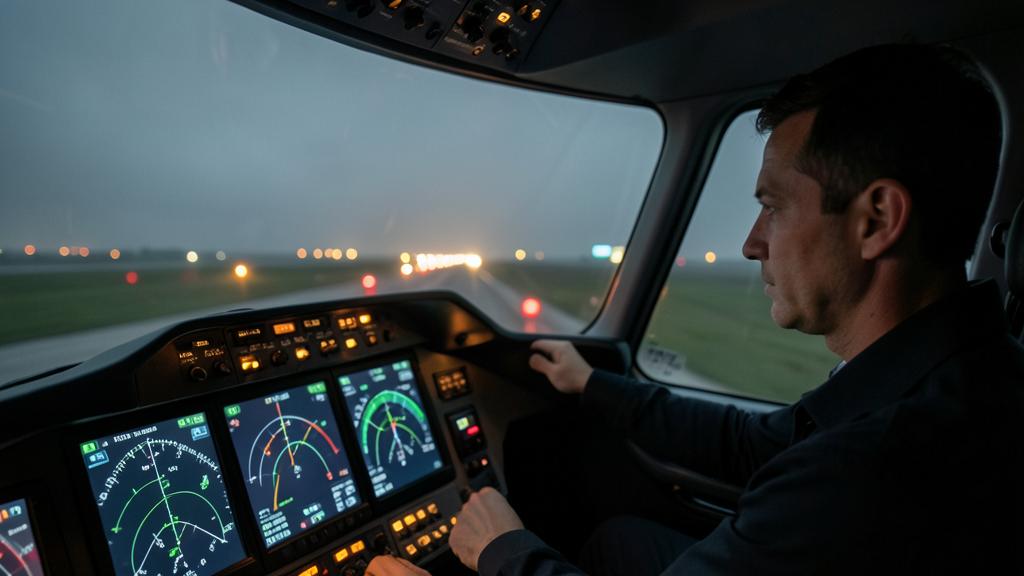
Dual-frequency and multi-constellation: what it fixes, and what it doesn’t
The receiver is tracking about thirty satellites on two bands, and the integrity prediction still refuses the vertically guided approach planned for…
Author: FL330
Notre Écosystème
Découvrez l’écosystème FL330
FL330, c’est toute l’aviation professionnelle — explorez nos autres espaces.


