
-
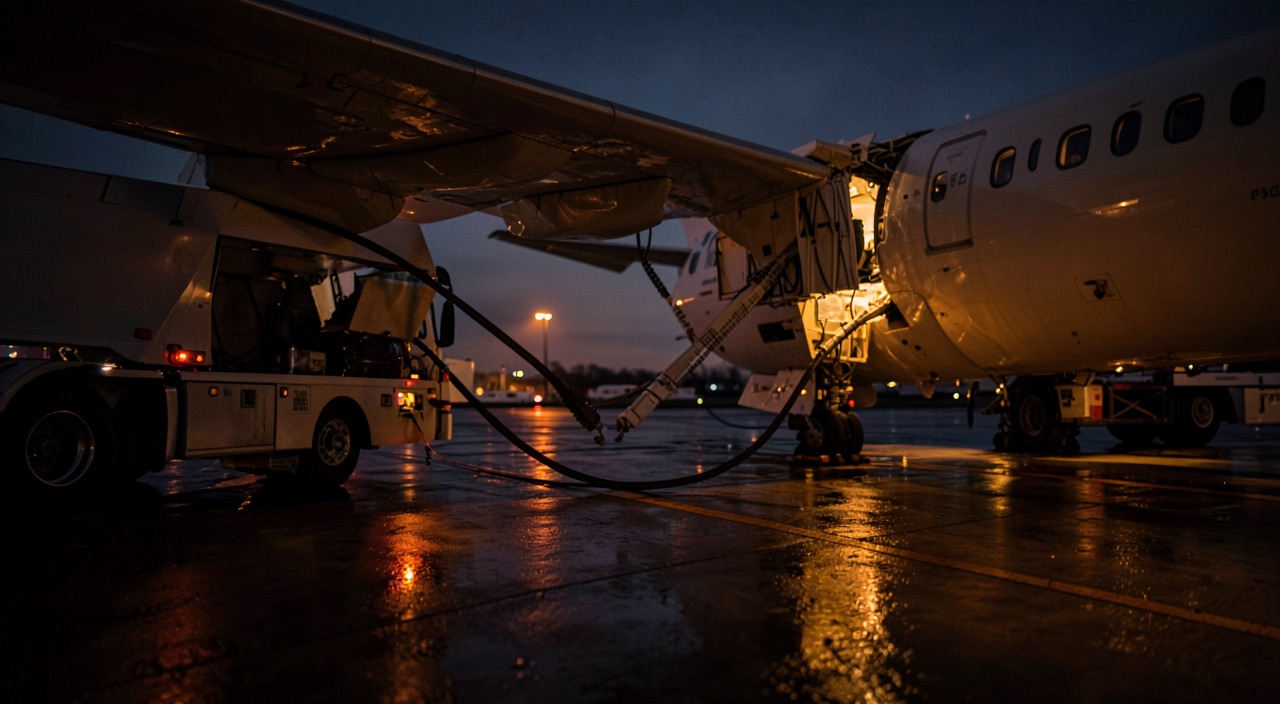
Refuelling with Passengers on Board: Why the Cabin Owns the Exits, Not the Fuel
The truck is connected under the wing, the airbridge is in place, a full cabin remains seated on board, and the turnaround…
-

Vertiport: what the infrastructure imposes on the mission and the alternates
The program promised four passengers on a twenty-minute leg. On the day of the flight, the destination site offers only one approach…
-

Designated Persons: Combining Two Functions Without Sinking Approval of the Application
An operator of two aircraft types files its approval application with a six-box organisation chart and four names. The career paths hold…
-
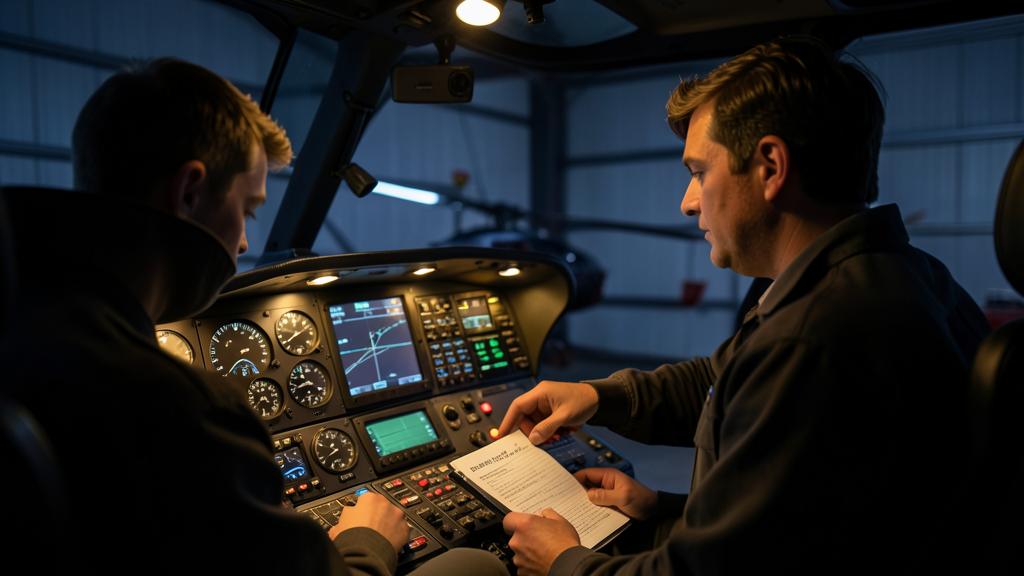
Billed Hours, Creditable Hours: The Difference That Delays a Course by Several Months
Forty-five hours on the invoice, forty-one in the logbook, and an examiner who refuses to schedule the test: the scene replays every…
-
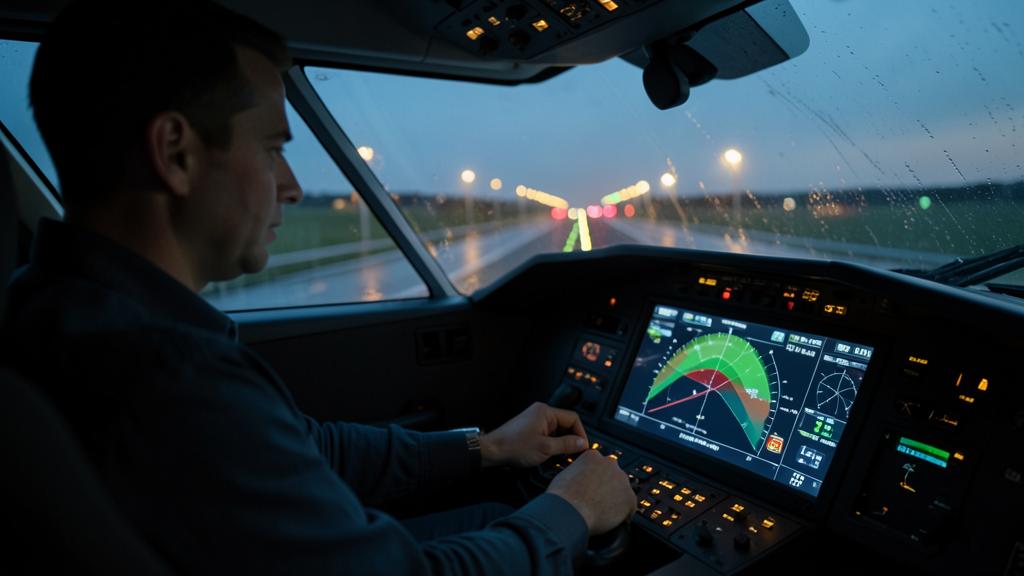
Navigation Database Integrity: The Chain From Text to Screen
Descent toward familiar terrain, a standard arrival selected from the database, and a doubt: the altitude constraint shown on the chart at…
-

Change of accountable manager: why it is not a paperwork formality
A four-line internal memo announces that the accountable manager will change on the first of the month. In the hangar, nobody looks…
-

Alternative Means of Compliance for an Operator: File, Timeline and Precedent
The file of the candidate for the training manager post has been sitting on the table for three weeks: fifteen years on…
-
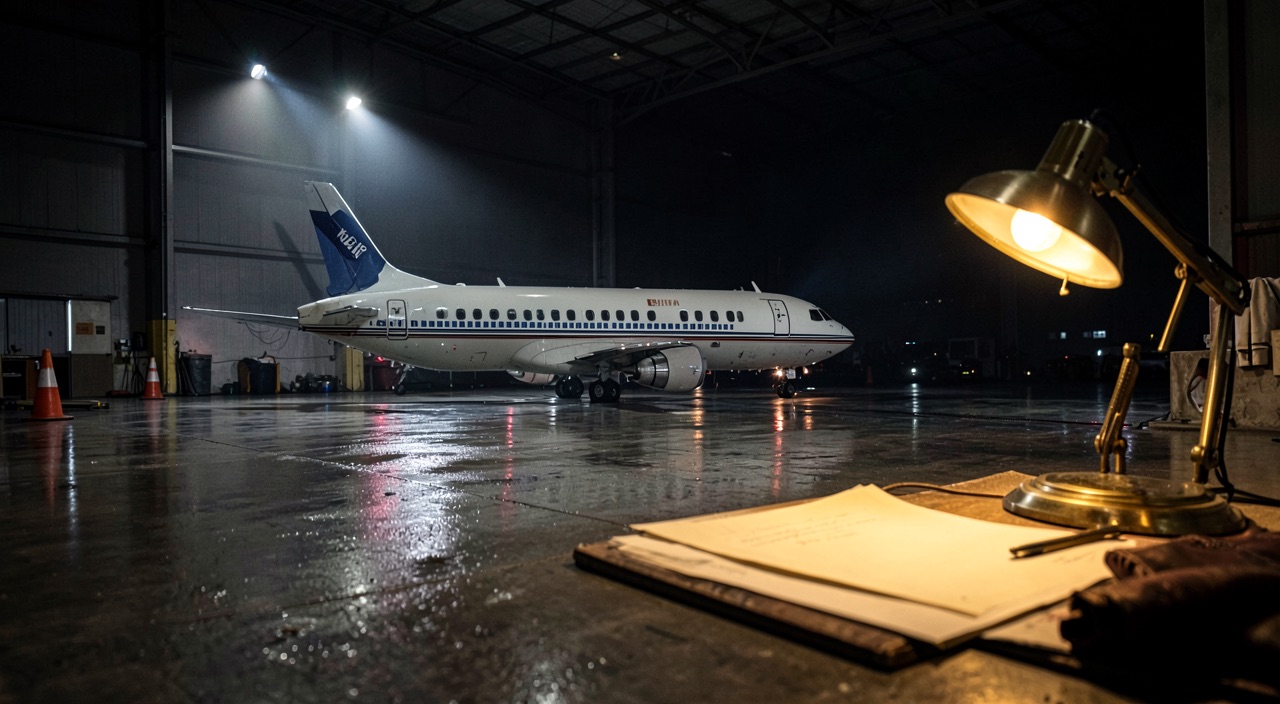
Validity Lapsing at an Outstation: Who Decides, Who Replaces, and Who Bears the Grounding
The return flight leaves at 6:10 a.m. The evening before, in the hotel lobby, the cabin crew manager runs back through her…
-
Air taxi: what the contractual structure changes about the chain of liability
A night runway excursion on a wet runway, two passengers aboard a light twinjet. The aircraft belongs to a holding company, is…
-
GBAS and GLS Approaches: Where Ground Augmentation Really Sits Between the ILS and the Satellite
On a position set up for a GLS, you don’t tune a frequency but dial a five-digit channel number, and you then…
Author: FL330
Notre Écosystème
Découvrez l’écosystème FL330
FL330, c’est toute l’aviation professionnelle — explorez nos autres espaces.


