
-

Vertiport: what the infrastructure imposes on the mission and the alternates
The program promised four passengers on a twenty-minute leg. On the day of the flight, the destination site offers only one approach…
-
Air taxi: what the contractual structure changes about the chain of liability
A night runway excursion on a wet runway, two passengers aboard a light twinjet. The aircraft belongs to a holding company, is…
-
Fractional ownership: where does the boundary of operational control really lie
A co-owner calls the night before to move their departure up by two hours. The manager replies that the crew will not…
-
Manufacturer maintenance programs: what the flat rate leaves the owner to pay
A temperature exceedance of a few seconds at start-up, on a stopover, far from base. The hourly contract is up to date,…
-
Single-Pilot Operations: What the Approval Requires Beyond Onboard Systems
The flight manual says « minimum crew: one pilot, » the aircraft is equipped, the pilots are type-qualified. None of that authorises boarding a…
-
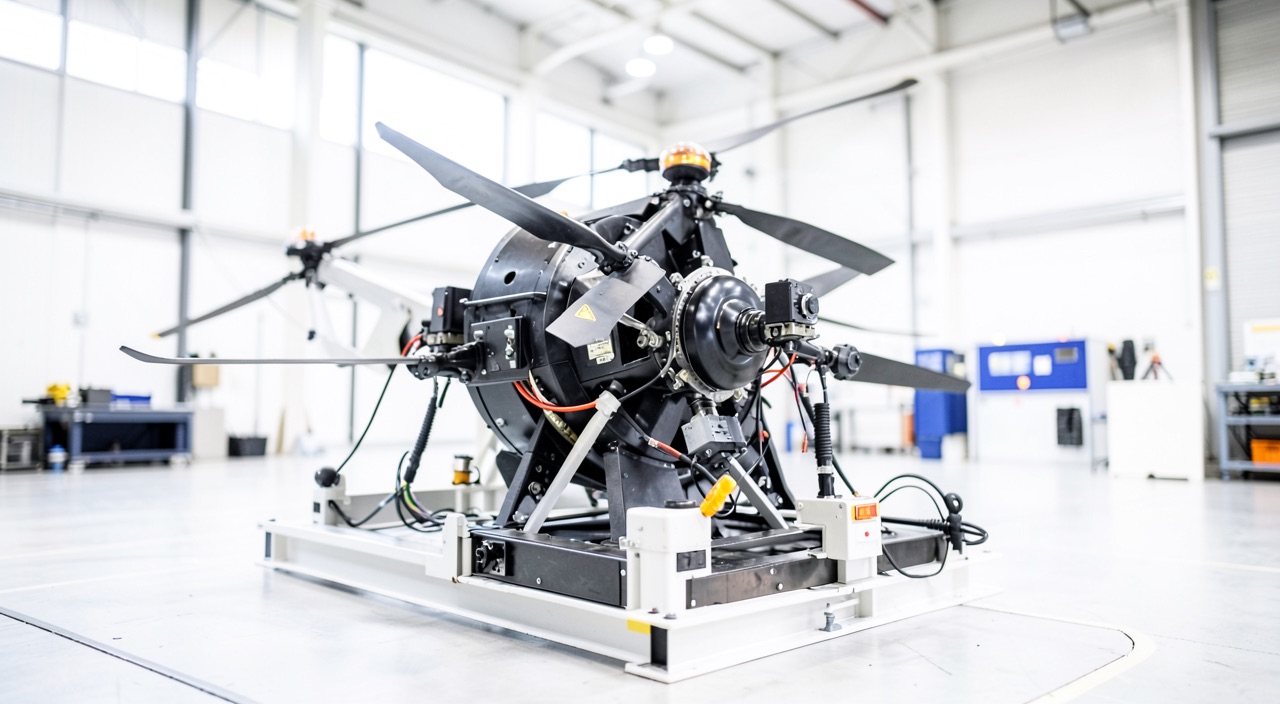
eVTOL: why the hover-to-cruise transition locks up certification
A tilt-rotor demonstrator, halfway between hover and cruise, loses an inverter on the left side. The flight control law knows what to…
-

Multirotor Noise: Why Metrics Inherited from the Helicopter Measure It Poorly
An acoustic file can be flawless and still disappoint. Maximum ground level several decibels below that of the rotorcraft it replaces, lower…
-

Business Jet Completion: The Hidden Cost of a Late Client Request
Final third of a completion project: the wiring bundles are laid and closed out, the trim panels have gone off for upholstery,…
-
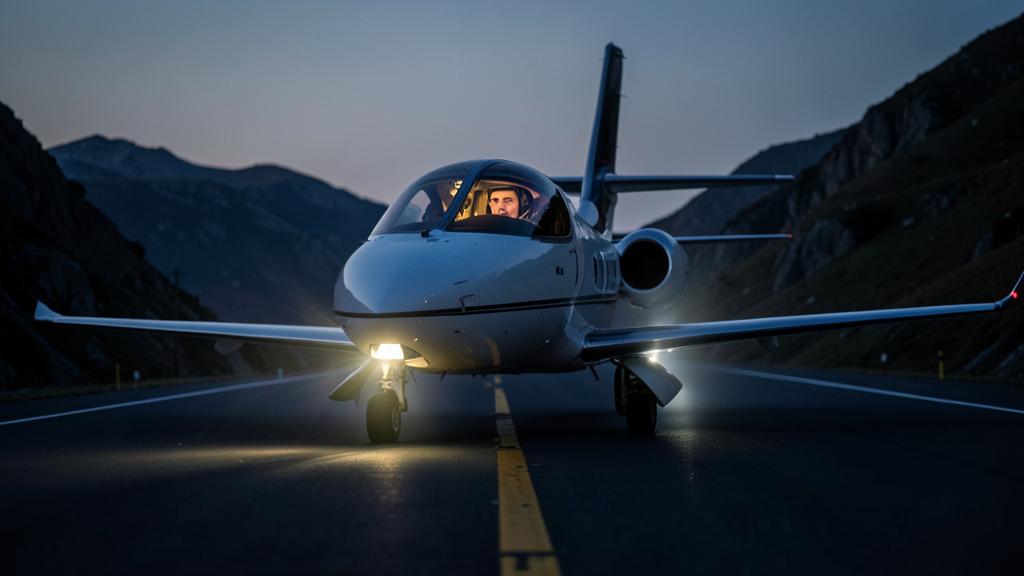
Demanding aerodromes: what landing performance dictates for aircraft choice
The charterer asks for eight passengers and a nonstop leg; the operator, for their part, starts by opening the destination aerodrome’s data…
Category: Industry & Manufacturers
Aircraft manufacturers and the aviation industry: certification, programmes, engines, supply chain and what new technology changes in service.
Notre Écosystème
Découvrez l’écosystème FL330
FL330, c’est toute l’aviation professionnelle — explorez nos autres espaces.


