
-

Cabin crew credentials compared: attestation, certificate, and what each allows
A European cabin crew attestation has no effect at a North American carrier, and a federal certificate opens no door in Europe.…
-
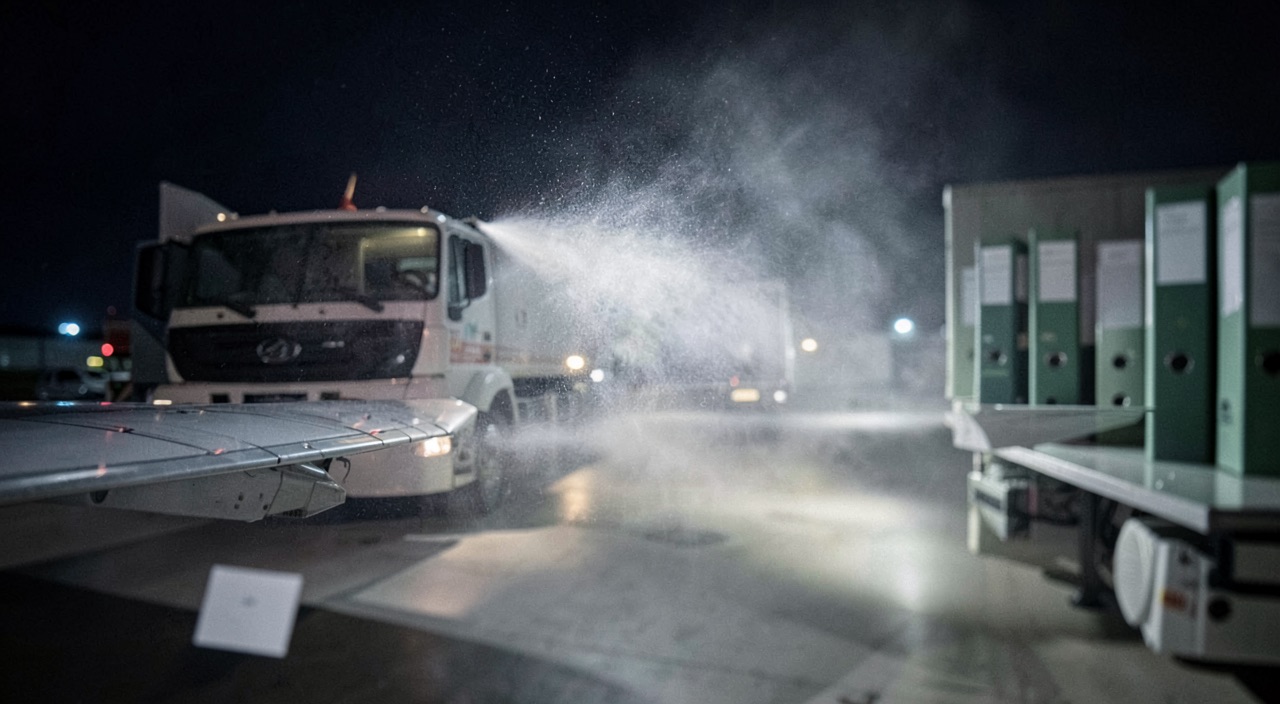
Deicing Fluid Holdover Times: Two Ways to Produce the Same Tables
The truck pulls away, the operator calls out the code: Type IV, seventy-five percent mix, start time of the last pass. The…
-

Recency and Currency Compared: Counting Acts or Revalidating a Privilege
Four months off, resumption scheduled for Monday. In one case, the crew flies three circuits and the count checks out: nothing was…
-

Type Rating and First Officer: What Differs Between the Two Systems
A first officer’s file arrives with an endorsement facing the type that limits the rating to first officer duties. On the licence…
-

Fuel policy compared: prescribed reserves or approved policy
Two operators load the same type on the same route, in the same slot, with the same weather at the alternate. One…
-

Operating minima: where the numbers the crew applies actually come from
Two aircraft arrive a minute apart on the same ILS, with the same reported visibility. The first lands; the second goes around…
-

Maintaining Instrument Currency: Counted Approaches or a Revalidated Rating
A captain passes his proficiency check in the simulator in spring and comes out with an instrument rating valid for one year.…
-

Minimum Equipment List: From the Manufacturer’s Master List to the Operator’s List
The aircraft technical log carries an open deferral under Category C, the part is quoted for delivery in about a fortnight, and…
-
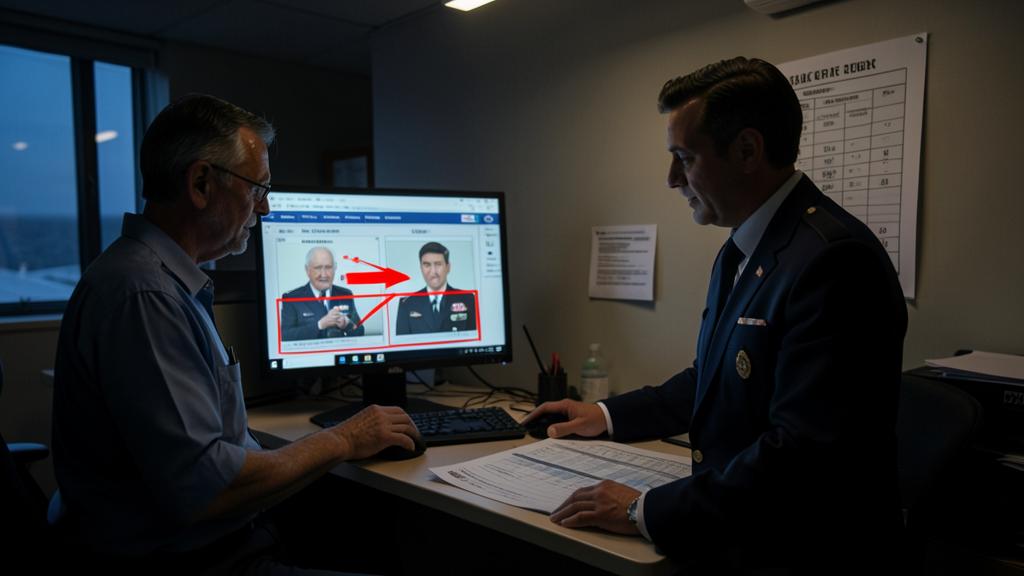
Age Limit and Multi-Pilot Crews: The Rule That Constrains the Pair, Not the Pilot
A captain crosses the 60 threshold on a Tuesday. On Friday, the roster assigns him a 62-year-old first officer on an international…
-
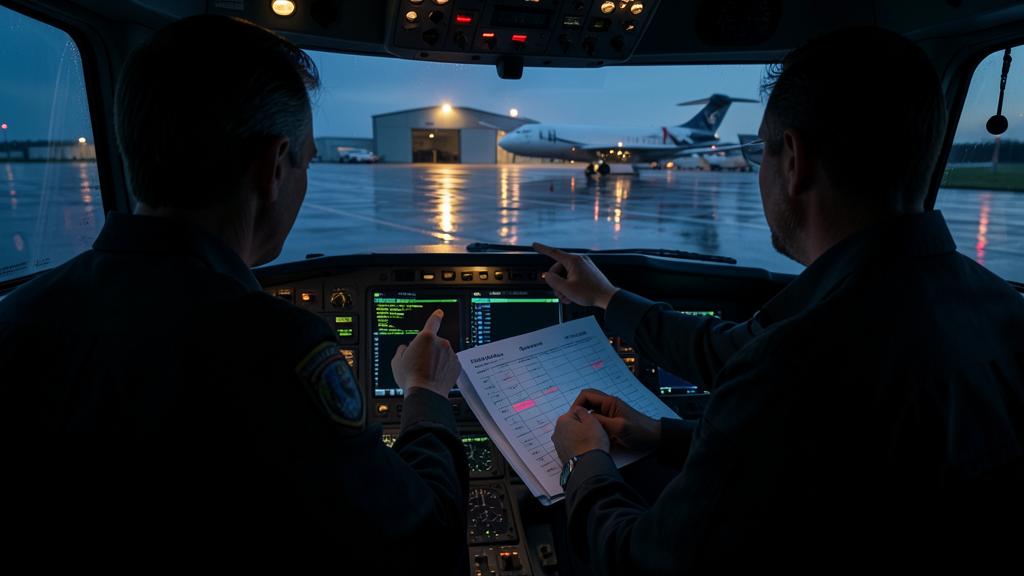
Flight Time Limitations: Two Philosophies, and What They Produce in Line Operations
A transatlantic rotation, two crews, two certificates. The first departs its layover as soon as it can, the second waits until it…
Category: Regulation & Safety
Aviation regulation and flight safety decoded: EASA and ICAO rules, flight time limitations, safety management and lessons from occurrences.
Notre Écosystème
Découvrez l’écosystème FL330
FL330, c’est toute l’aviation professionnelle — explorez nos autres espaces.


