
-
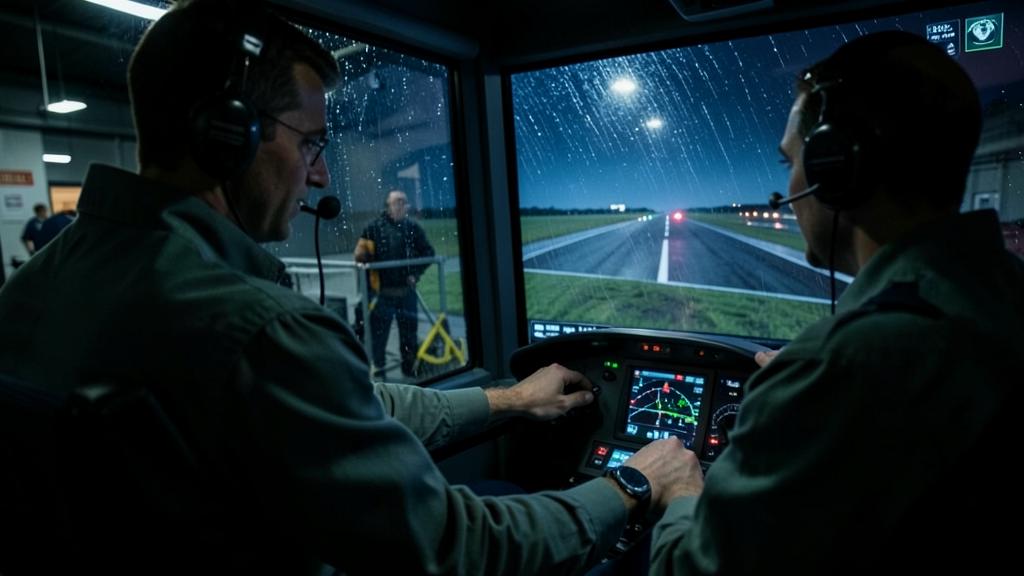
Expired Type Rating After a Redundancy: Who Pays to Put You Back on Line
A lapsed type rating is not a formality but a purchase, and its price is set by an approved training organisation rather…
-

The Decision Point Procedure: How a Re-Dispatch Cuts Contingency Fuel
A re-dispatch does not find fuel in the tanks. It changes the base on which contingency is computed, and pays for the…
-
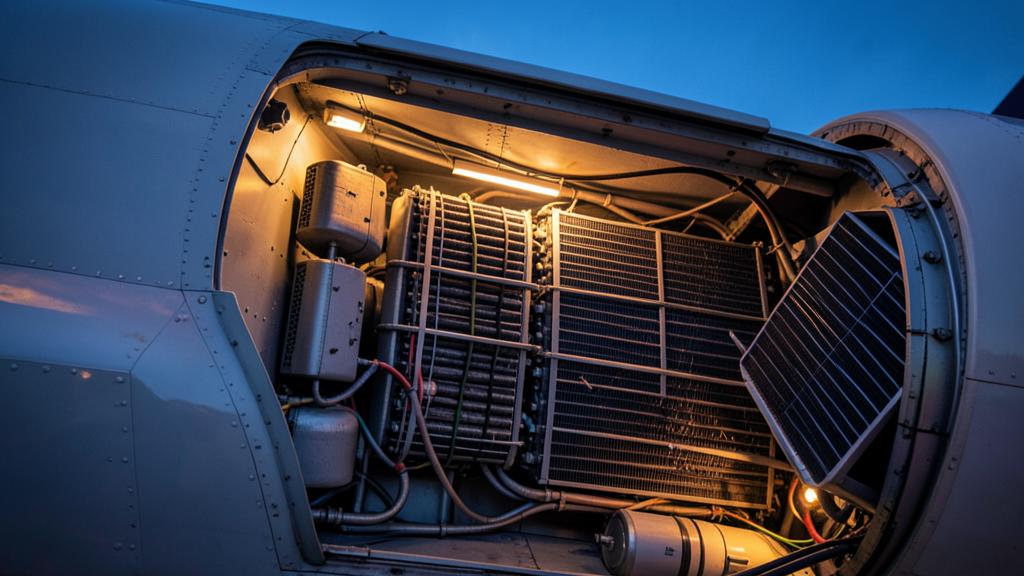
Fuel Cell or Hydrogen Turbine: Where the Power Boundary Really Falls
There is no horsepower figure above which a fuel cell stops working. The boundary is drawn by efficiency at the sizing point,…
-
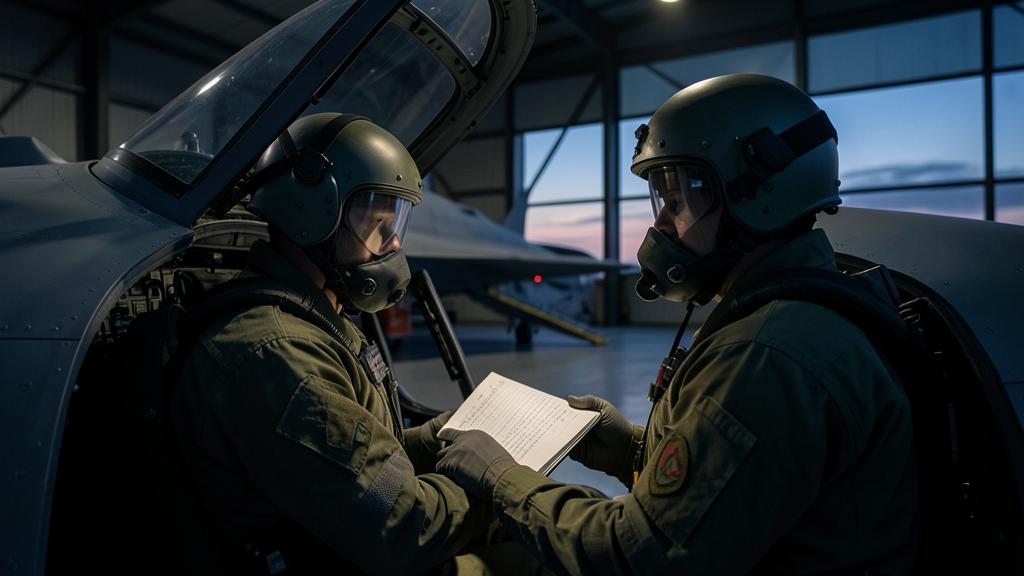
From Military to Airline Flying: Why Your Hours Do Not Convert One for One
Military flying experience transfers to a civil licence as documented blocks, not as a total. Which blocks credit in full, which credit…
-
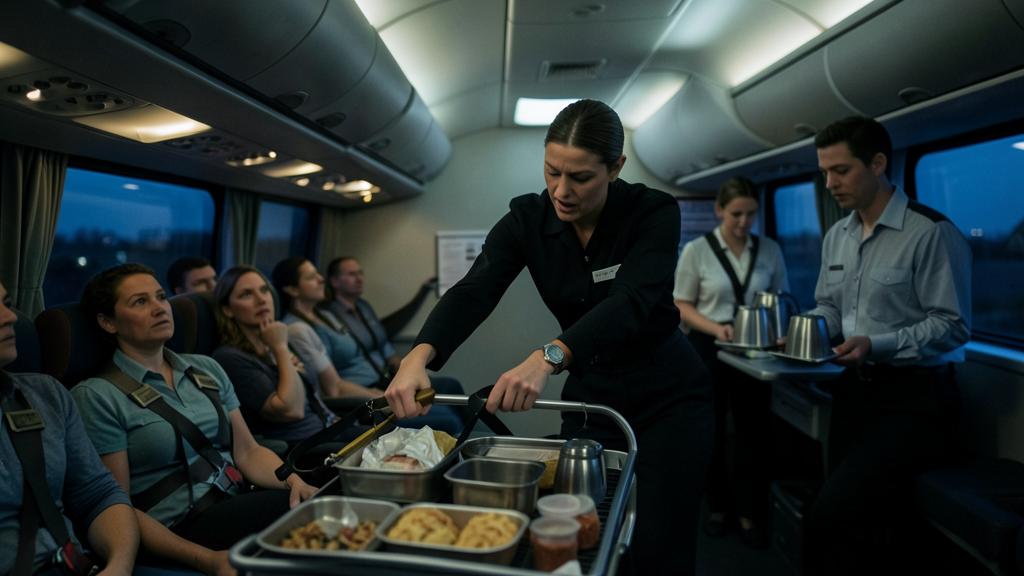
Stopping the cabin service in turbulence: deciding early, and getting the stop accepted
By the time the aircraft moves, the trolley is already a projectile and the crew are already standing. Stopping the cabin service…
-
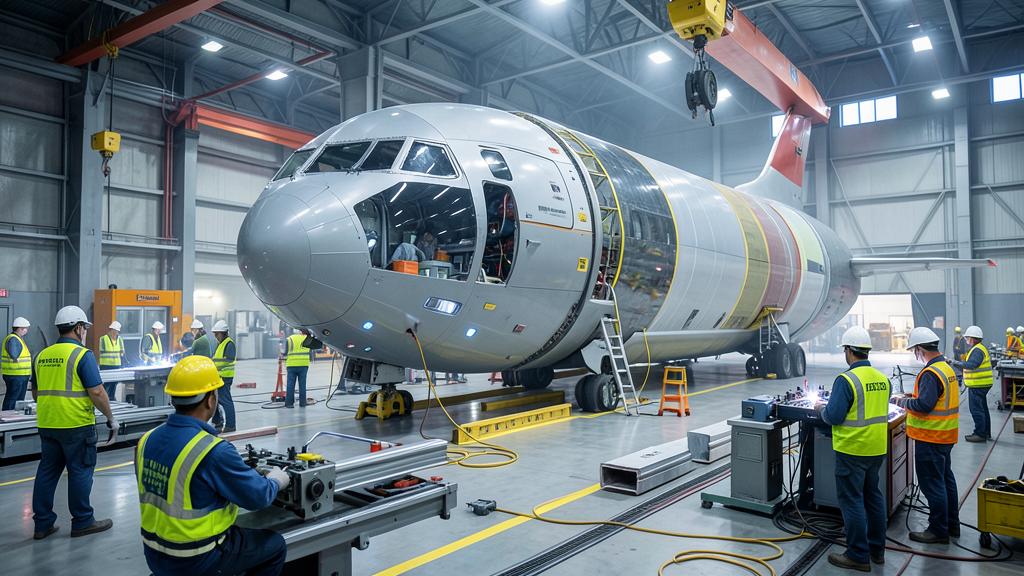
Liquid or Compressed Hydrogen: The Tank Choice Redraws the Whole Airframe
Hydrogen’s advantage per kilogramme is real and almost irrelevant. What decides the configuration is volume, insulation mass, boil-off and the fact that…
-
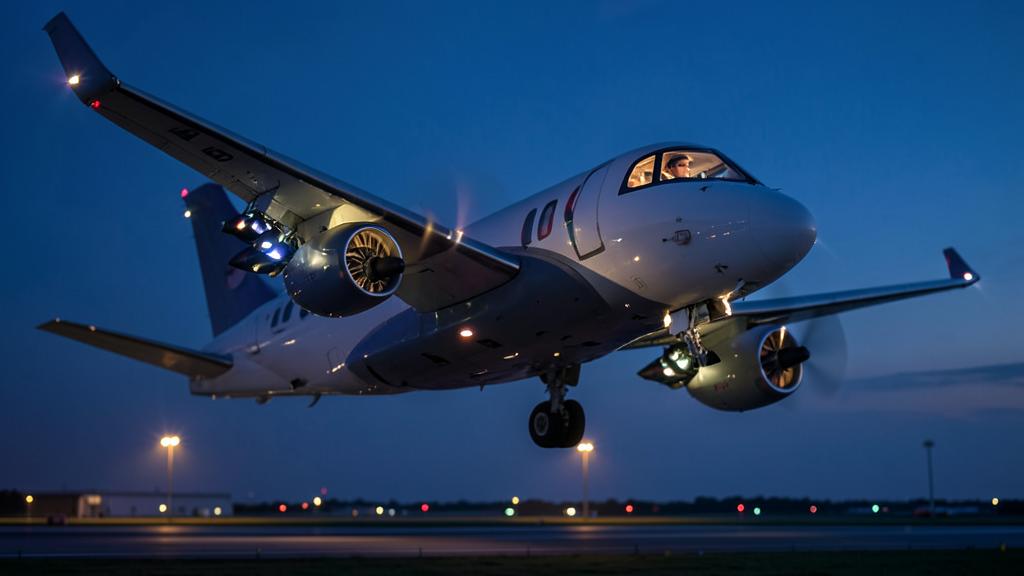
Series or parallel hybrid: why the mission profile settles the architecture
The choice between a series and a parallel hybrid is not a matter of engineering taste. It follows from the ratio between…
-
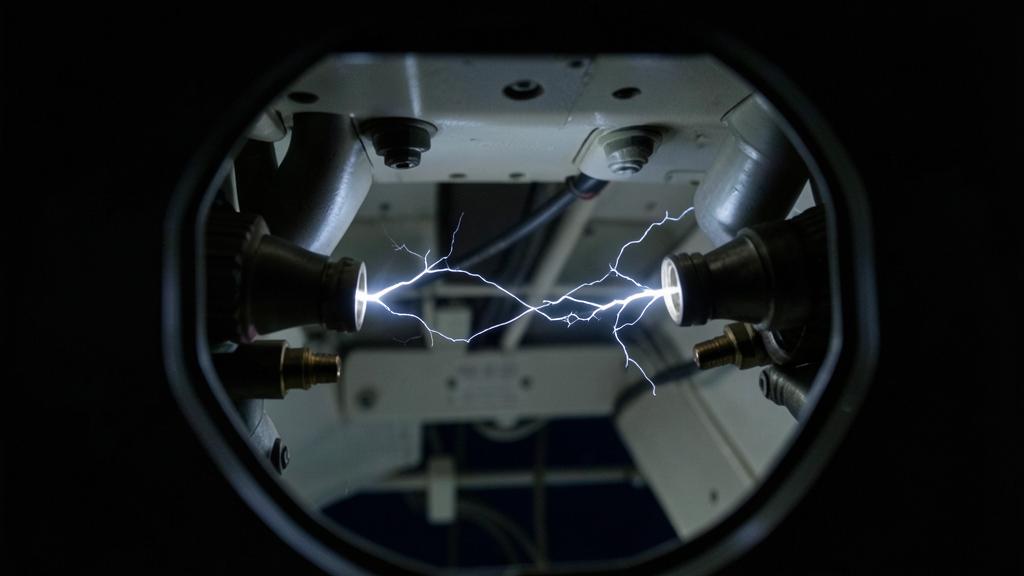
Onboard High Voltage: Why Altitude Decides the Insulation
Air is the weak dielectric in a high-voltage installation, and cruise removes most of it. Paschen’s law explains why a connector faultless…
-
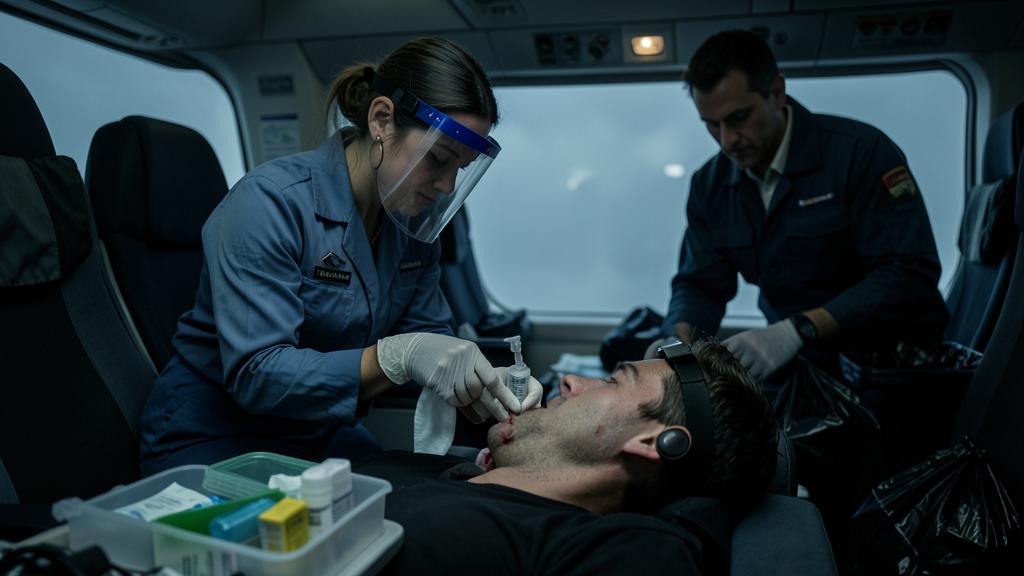
Blood exposure in the cabin: protecting the crew without interrupting care
A cabin has no sink within reach, no sharps container and no waste stream that does not end in someone else’s hands.…
-
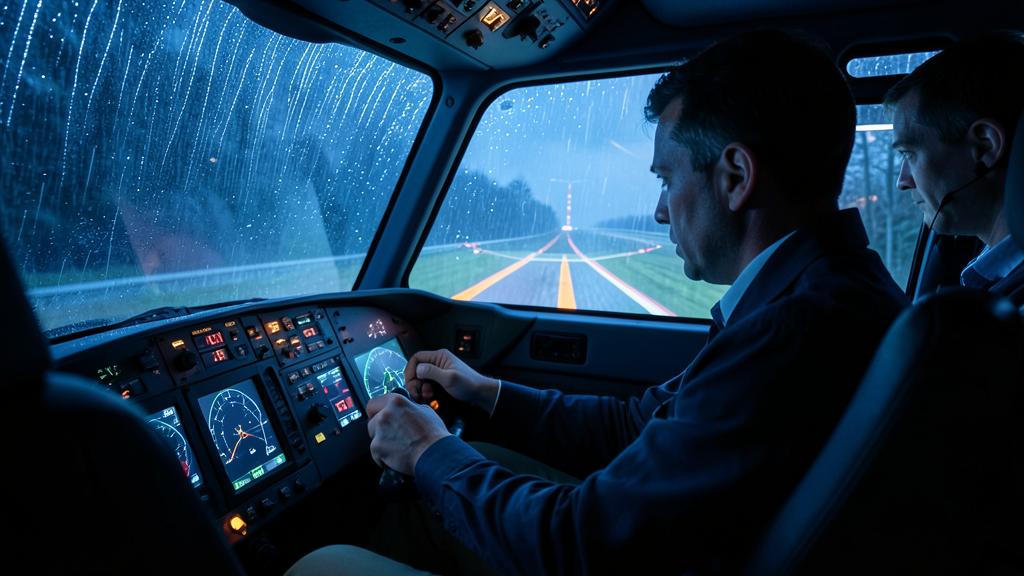
Lost recency: what the simulator gives back, and what only the aircraft can
A return-to-line plan is not a session count. Most of what decays is settled in a device, but a short list of…
Author: FL330
Notre Écosystème
Découvrez l’écosystème FL330
FL330, c’est toute l’aviation professionnelle — explorez nos autres espaces.


