
-
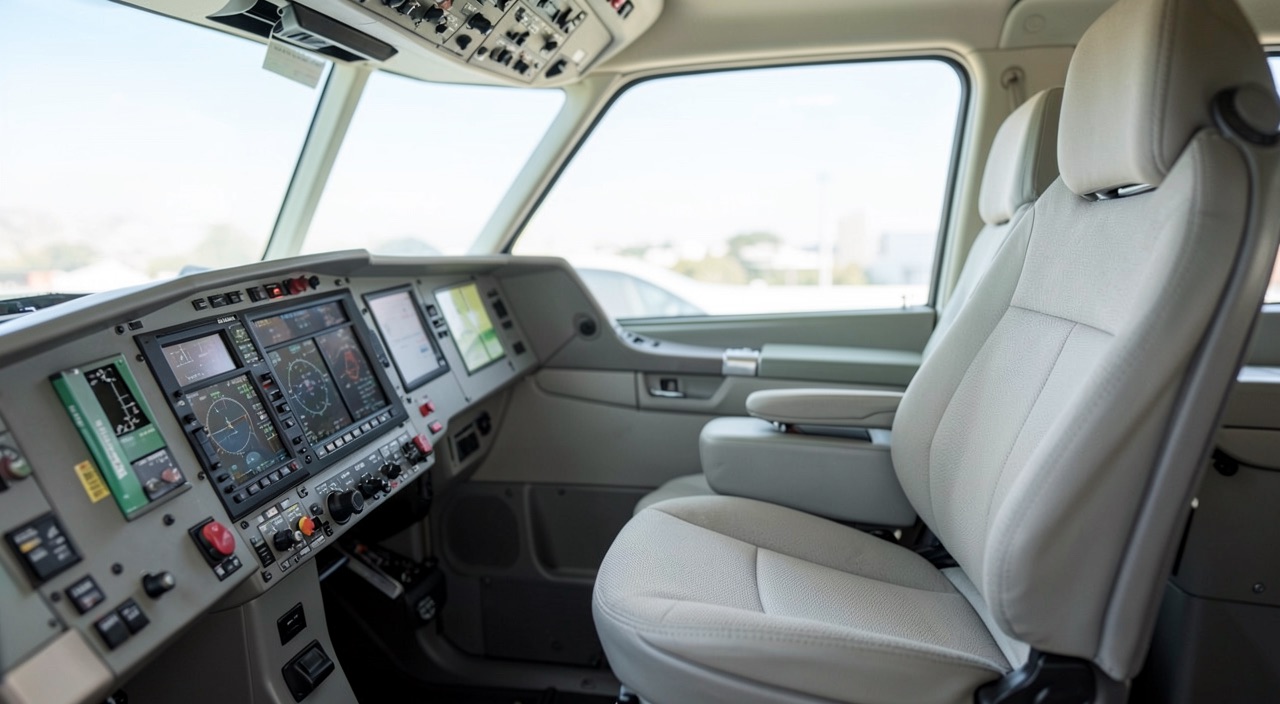
Single-Pilot Instrument Flight in Commercial Air Transport: What Each System Actually Allows
The flight manual states, in its limitations section, “minimum flight crew: one pilot.” The operator concludes from this that it may carry…
-

Cabin crew credentials compared: attestation, certificate, and what each allows
A European cabin crew attestation has no effect at a North American carrier, and a federal certificate opens no door in Europe.…
-
Understanding the active mode before it catches you out
Descending towards an intermediate level, the monitoring pilot calls the new clearance, the pilot flying sets the altitude, and the aircraft keeps…
-
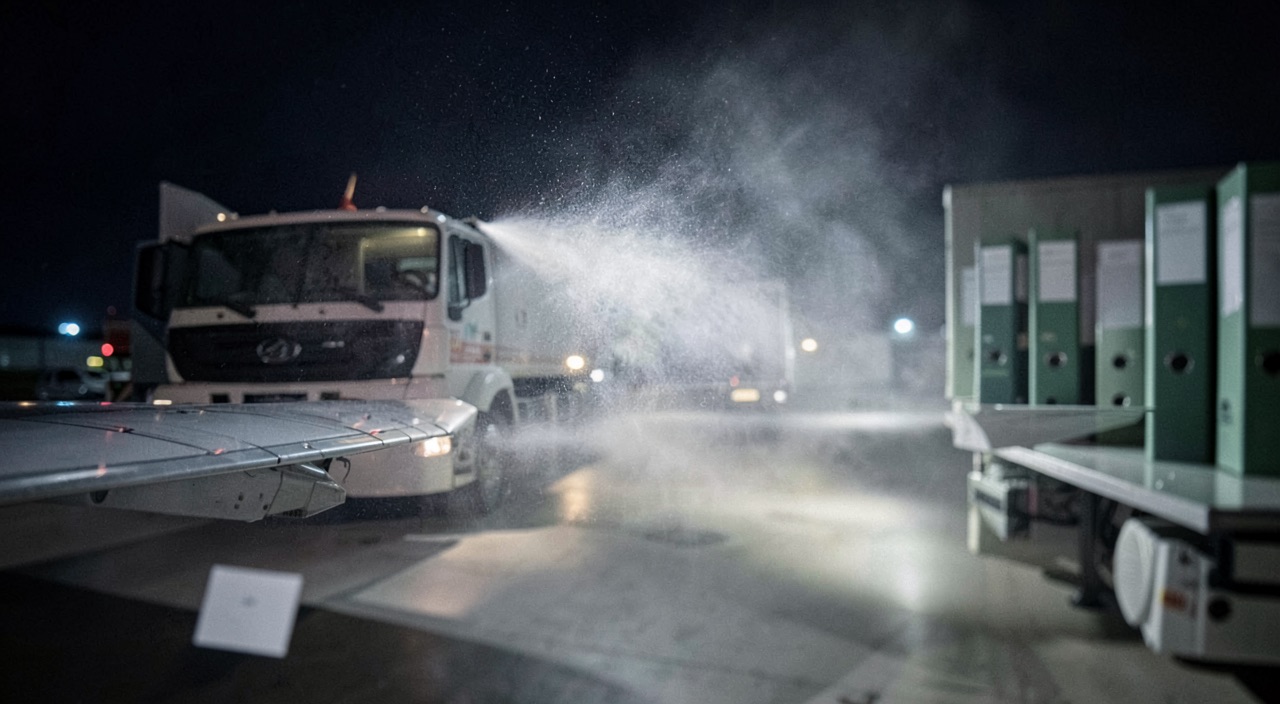
Deicing Fluid Holdover Times: Two Ways to Produce the Same Tables
The truck pulls away, the operator calls out the code: Type IV, seventy-five percent mix, start time of the last pass. The…
-

Recency and Currency Compared: Counting Acts or Revalidating a Privilege
Four months off, resumption scheduled for Monday. In one case, the crew flies three circuits and the count checks out: nothing was…
-
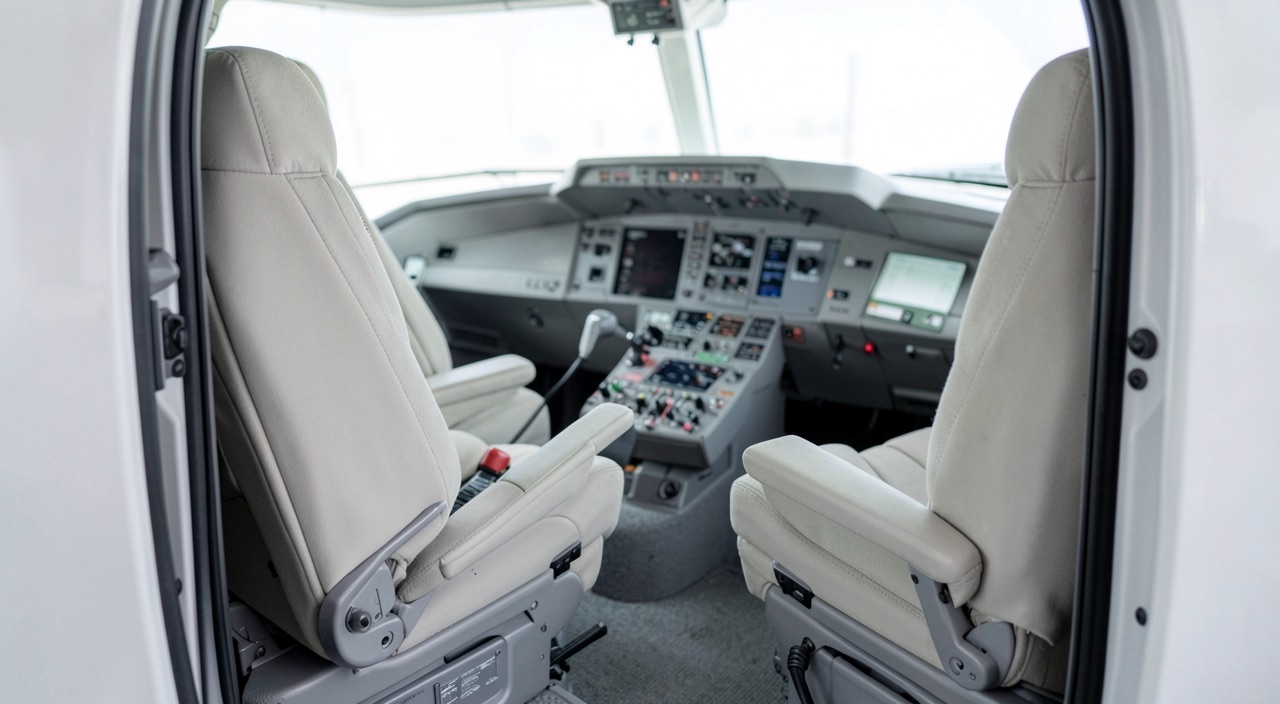
Type Rating and First Officer: What Differs Between the Two Systems
A first officer’s file arrives with an endorsement facing the type that limits the rating to first officer duties. On the licence…
-

Fuel policy compared: prescribed reserves or approved policy
Two operators load the same type on the same route, in the same slot, with the same weather at the alternate. One…
-

Fatigue early in a career: recognising your own state
Fourth day of the week, four sectors, report at four in the morning after five hours of sleep, and you feel perfectly…
-

Operating minima: where the numbers the crew applies actually come from
Two aircraft arrive a minute apart on the same ILS, with the same reported visibility. The first lands; the second goes around…
-

Maintaining Instrument Currency: Counted Approaches or a Revalidated Rating
A captain passes his proficiency check in the simulator in spring and comes out with an instrument rating valid for one year.…
Author: FL330
Notre Écosystème
Découvrez l’écosystème FL330
FL330, c’est toute l’aviation professionnelle — explorez nos autres espaces.


