
-

What the simulator cannot teach you about upset attitudes
A trainee flies two clean recoveries in an upset attitude session, is marked “achieved”, next session. A few months later, on the…
-
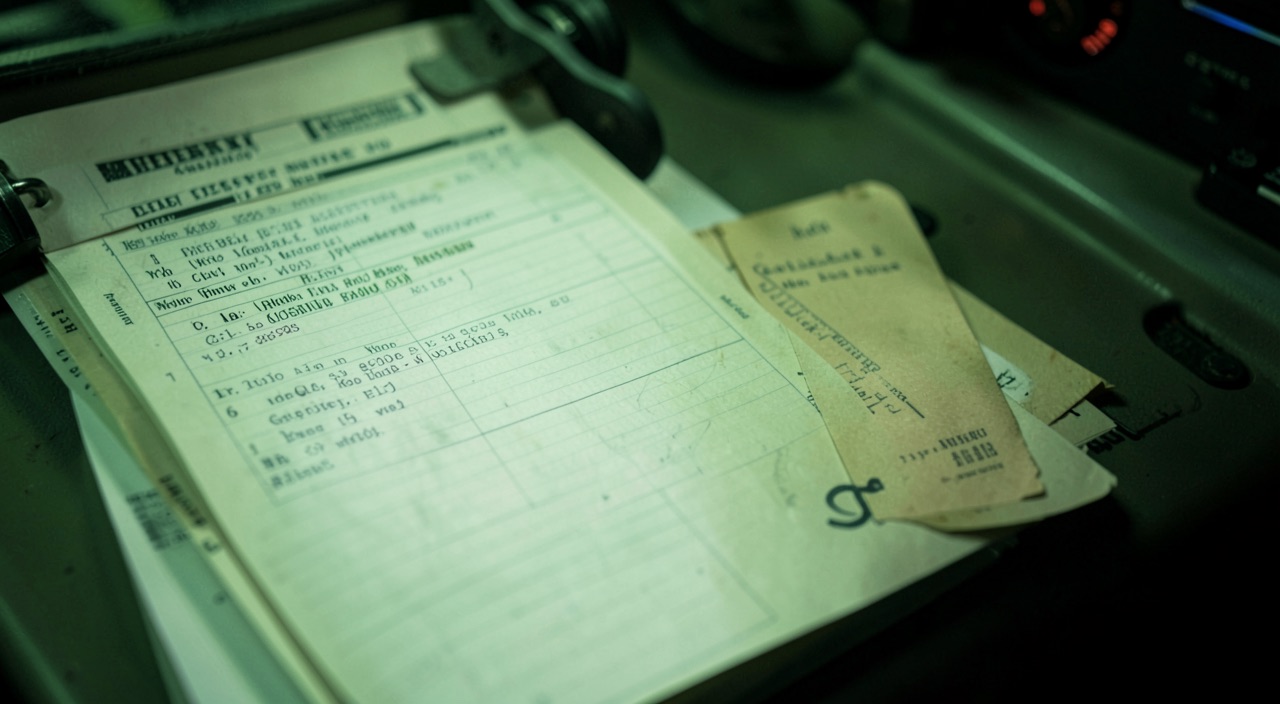
Minimum Equipment List: From the Manufacturer’s Master List to the Operator’s List
The aircraft technical log carries an open deferral under Category C, the part is quoted for delivery in about a fortnight, and…
-
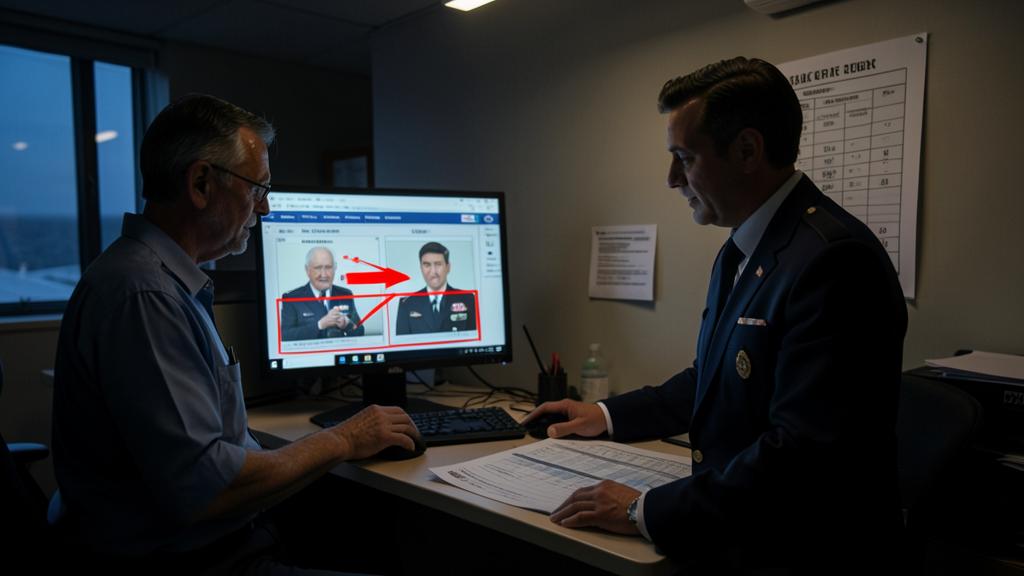
Age Limit and Multi-Pilot Crews: The Rule That Constrains the Pair, Not the Pilot
A captain crosses the 60 threshold on a Tuesday. On Friday, the roster assigns him a 62-year-old first officer on an international…
-
The departure briefing: what belongs in it and what clutters it
The first officer finishes his departure briefing just as the tug hooks up. It was all there: the runway, the standard departure,…
-
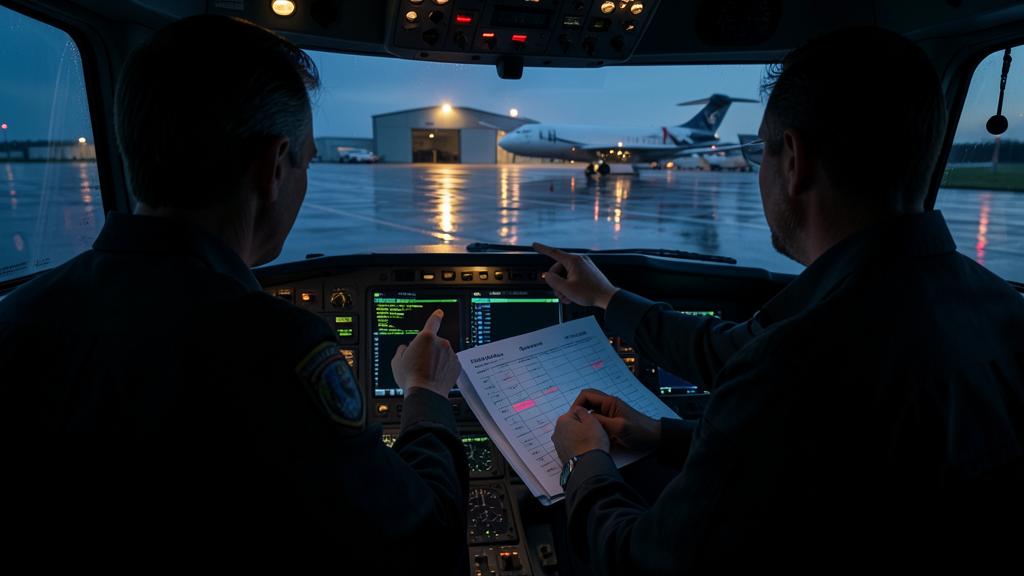
Flight Time Limitations: Two Philosophies, and What They Produce in Line Operations
A transatlantic rotation, two crews, two certificates. The first departs its layover as soon as it can, the second waits until it…
-

Approach Ban: At What Point Does Weather Prohibit Continuing
Eight thousand feet, descending, and approach control reports a runway visual range of four hundred fifty metres on a runway where your…
-

Recurrent Training: Prescribed Programme or Data-Driven Programme
The simulator session has opened for years on the same engine failure at takeoff, followed by the same go-around and the same…
-

Disagreement on the flight deck: what to do when the other pilot will not change their mind
The captain continues the approach, the first officer calls a deviation that is not being corrected, the call is repeated, nothing changes.…
-

Two Regulatory Architectures: Finding Your Way Between European Parts and American Titles
A compliance manager receives an apparently simple request from an American partner: ‘send us your equivalent of your scheduled air transport training…
-

Takeoff Alternate: When It Becomes Mandatory, and What It’s Required to Provide
The flight departs with a very low runway visual range: the operator’s takeoff minima allow it, the low-visibility procedure is approved, the…
Author: FL330
Notre Écosystème
Découvrez l’écosystème FL330
FL330, c’est toute l’aviation professionnelle — explorez nos autres espaces.


