
-

International flight violation: which State prosecutes, and why some cases are dropped
The 1963 Convention assigns onboard incidents to the flag state — often absent from the route. Between passenger handover, national jurisdictions, and…
-
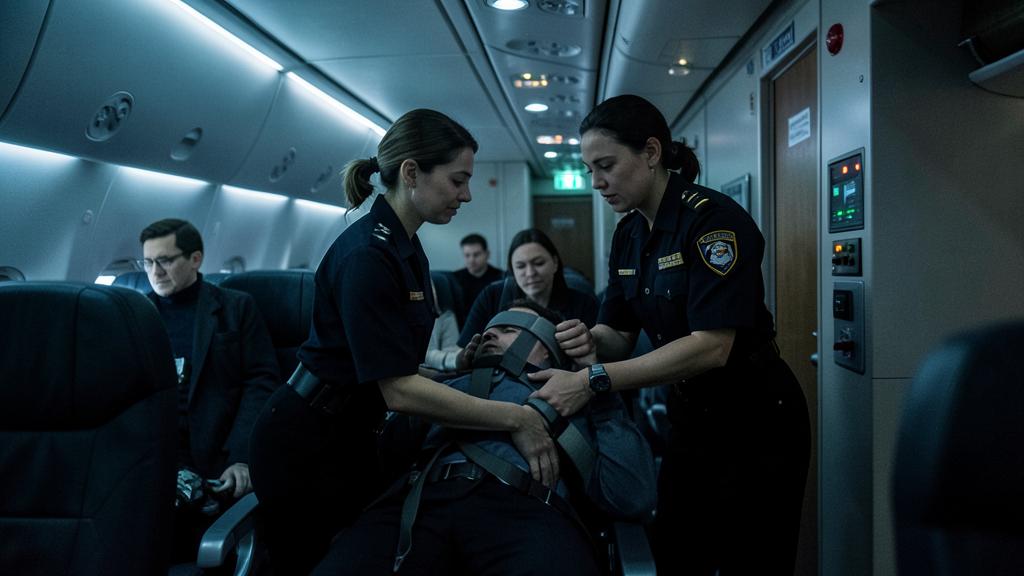
Restraining a passenger in flight: proportionality of the action and subsequent mandatory monitoring
On what basis can a passenger be restrained, with what means, and what subsequent monitoring does the action require? The mechanism of…
-

Detected intoxication at boarding: why pre-flight screening is better than in-flight management
The maximum fuel impregnation occurs after takeoff, never at boarding. Actionable signs at the gate, three-outcome triage matrix, and the comparative cost…
-
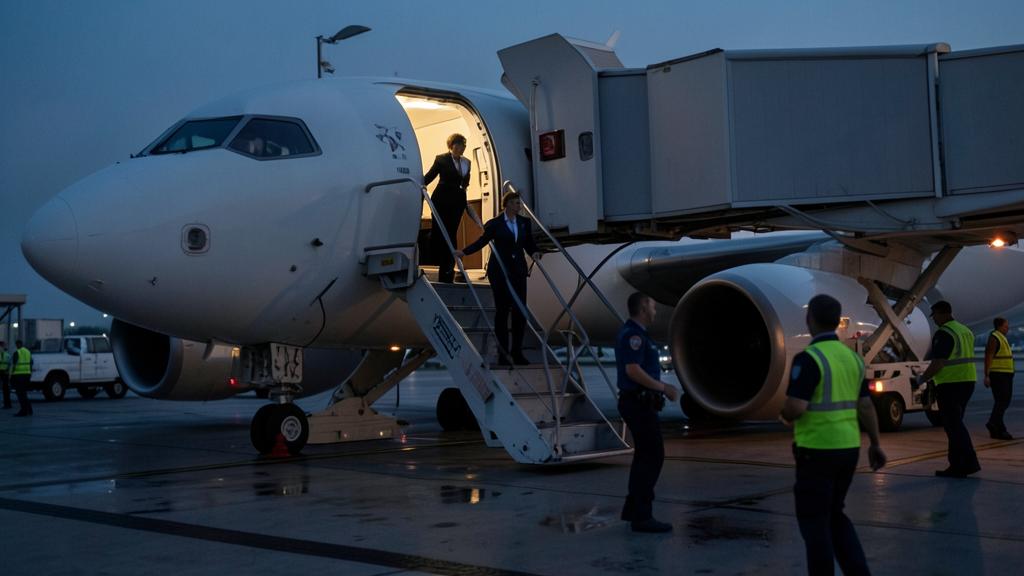
Disembarking a passenger before pushback: decision chain and operational cost
Closed doors, removing a passenger is no longer a cabin matter but a cargo operation, a load sheet issue, and a law…
-

Writing a Disruptive Passenger Incident Report: Three Readers, One Document
The same report goes to the feedback process, the authority, and sometimes to a judge. Anchored chronology, observable facts, and justified measures:…
-

Non-Consensual Sexual Behaviour in the Cabin: Gathering Facts That Will Stand Up on the Ground
Separate the people, write separately, check the seats before any movement: the sequence that decides, in flight, what will remain operational six…
-

Electronic cigarette in lavatory: what triggers the detector and what constitutes evidence
A toilet alarm is an optical threshold crossing, not a testimony. Why steam triggers like smoke, why some vaping goes unnoticed, and…
-

Written warning issued on board: what this document subsequently produces in the event of prosecution
A warning given in flight punishes nothing: it dates an injunction and creates proof that the passenger knew. The items that belong…
-

Captain’s Authority in the Cabin: What the Senior Cabin Crew Member Decides Before the Captain
The boundary between cabin and post does not follow the gravity of the scene but the irreversible nature of the act. A…
-
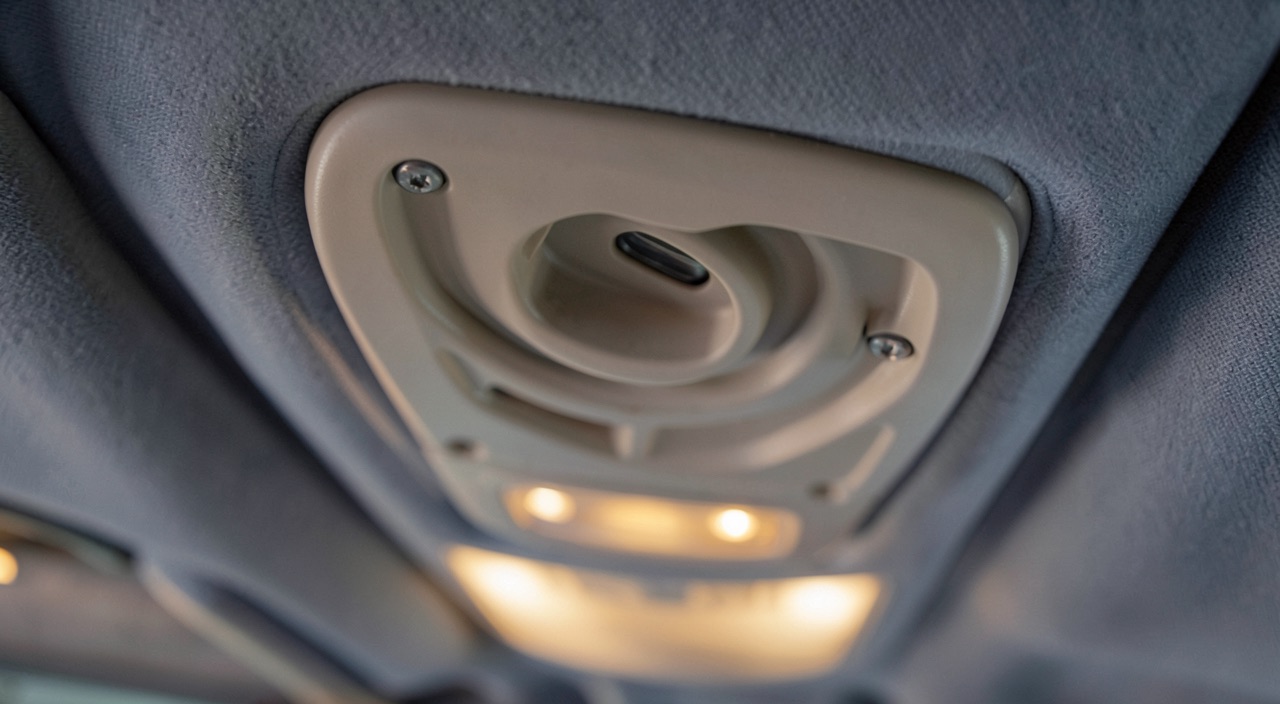
Controlled nap during layover or in the galley: effective duration and managing inertia upon waking
Twenty minutes or a full cycle: it’s not the duration of sleep that matters, but the recovery time after waking up. Mechanism…
Category: Cabin Crew
Cabin crew in practice: safety duties, evacuation, fire and medical events, regulation, rostering and the realities of the job on board.
Notre Écosystème
Découvrez l’écosystème FL330
FL330, c’est toute l’aviation professionnelle — explorez nos autres espaces.


