
-

Extended Diversion Time Operations: What Belongs to the Type, and What Belongs to the Operator
The flight manual states one hundred and eighty minutes. The network is preparing a route that requires only one hundred and forty.…
-
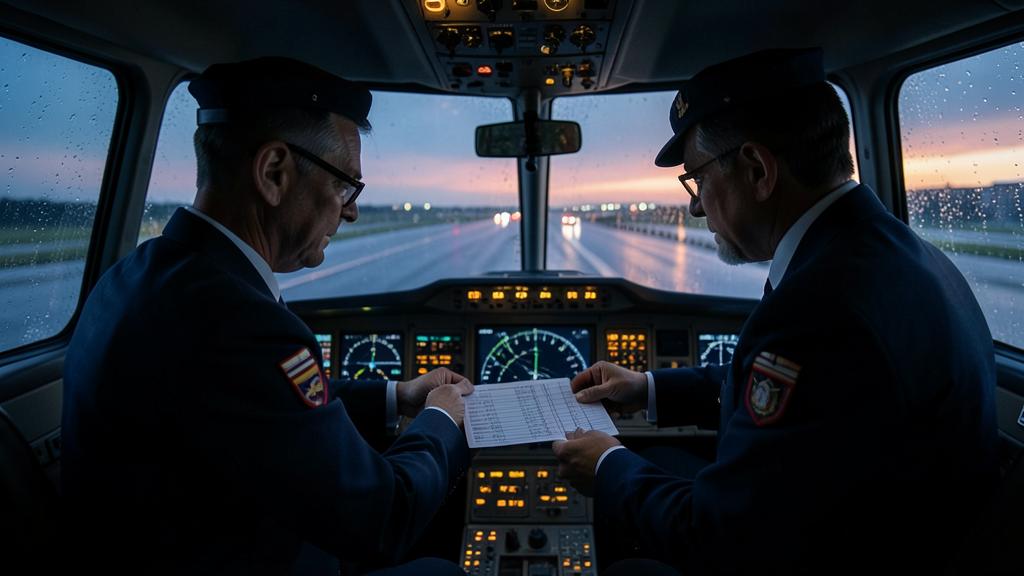
Merging Two Operators: The Period When Two Procedures Coexist in Line Operations
First flight of a mixed crew, a few months after the AOC switch-over. The captain comes from one of the two companies,…
-
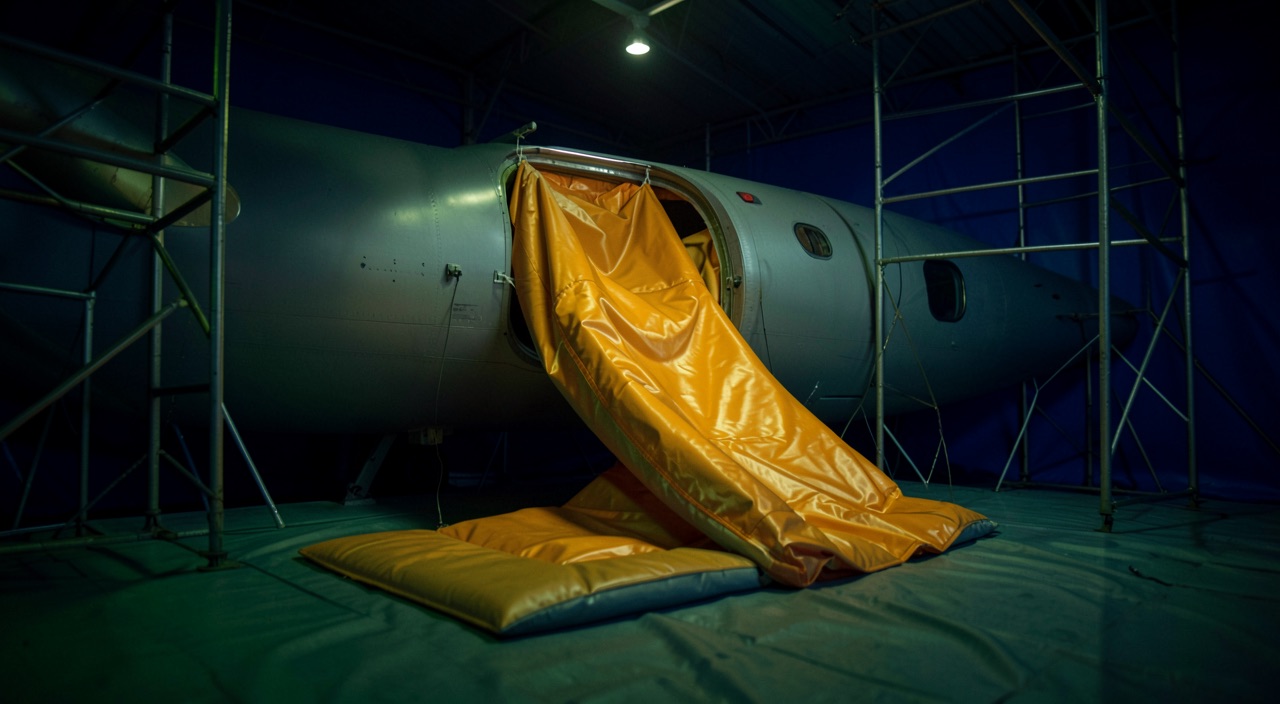
Evacuation Demonstration: What Certification Proves, and What It Doesn’t
In recurrent training, the question comes up almost every time: if an aircraft can be evacuated in ninety seconds during certification, why…
-
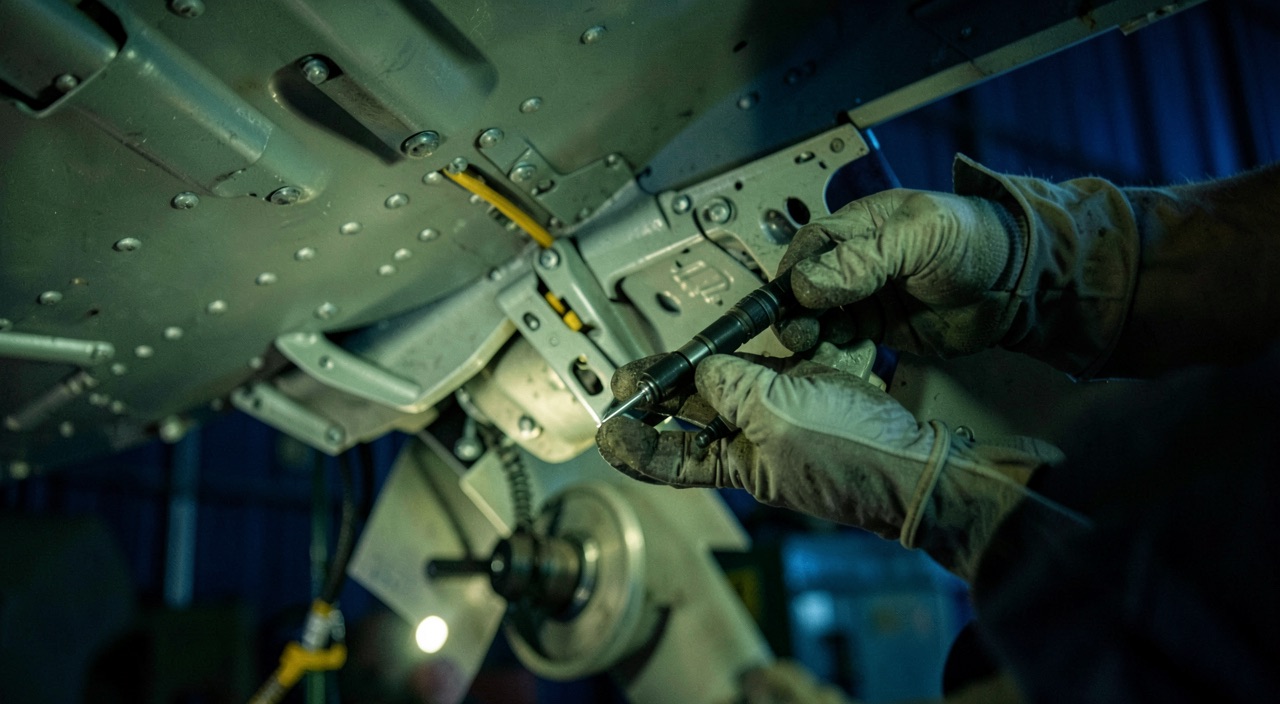
Airworthiness Directives: How an In-Service Finding Cascades Down to the Fleet
A mechanic finds a crack a few millimetres long at a stiffener, on an aircraft that has just come out of a…
-
Special Conditions in Certification: What They Reveal About a Novel Design
On a recent type, the flight manual bounds the use of equipment that the previous generation employed without restriction; in the maintenance…
-
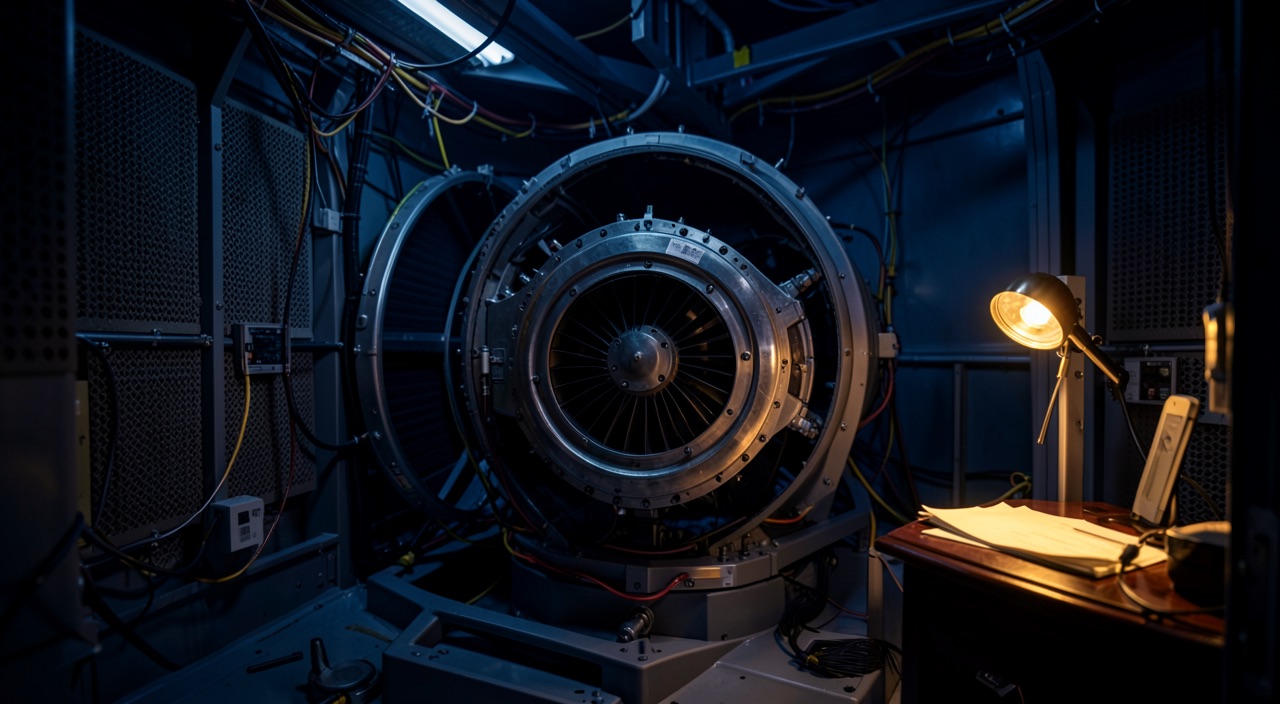
Engine certification: containing a fan blade release and proving it
A fan blade severed at its root by a pyrotechnic charge, engine at maximum rating, inside a test cell instrumented all the…
-
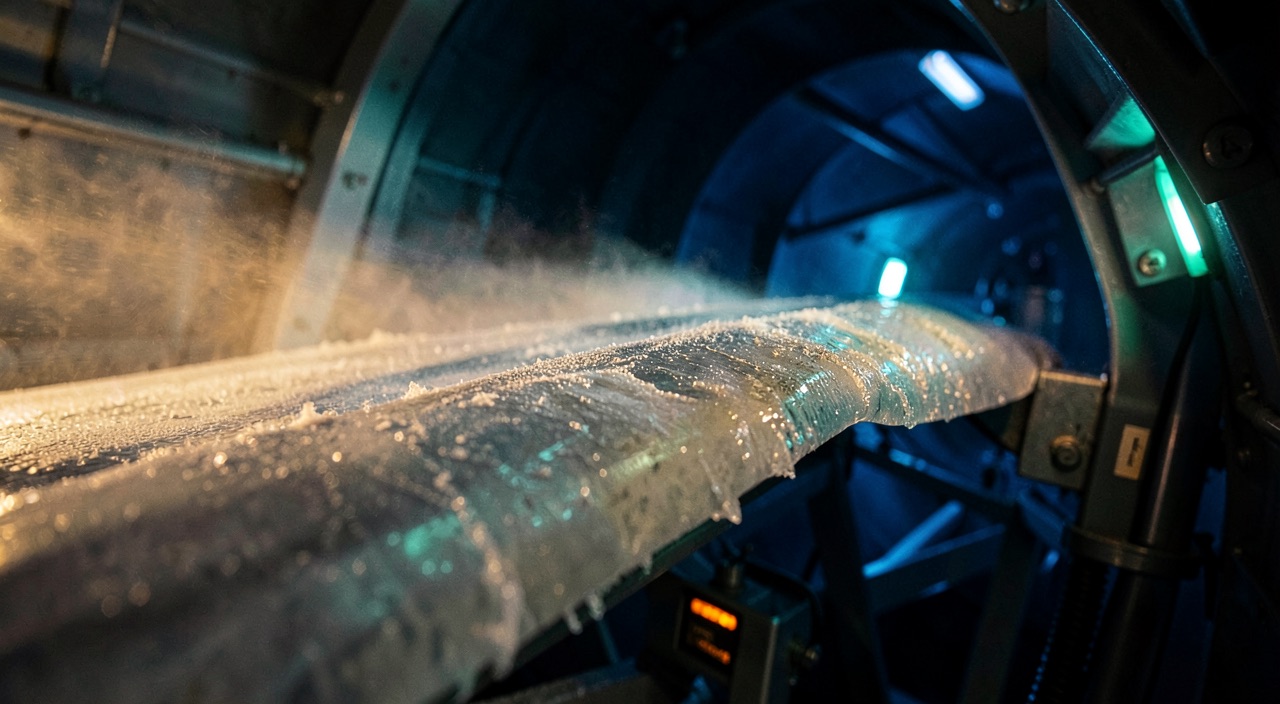
Icing Certification: What the Envelope Covers and What Falls Outside It
The hold has lasted twenty minutes in a layer a few degrees below zero, the boots are cycling normally, and yet ice…
-

Type Certification Basis: How It Freezes, and What Can Reopen It
A captain asks why his aircraft, which rolled off the production line three years ago, lacks a protection that the same manufacturer…
-
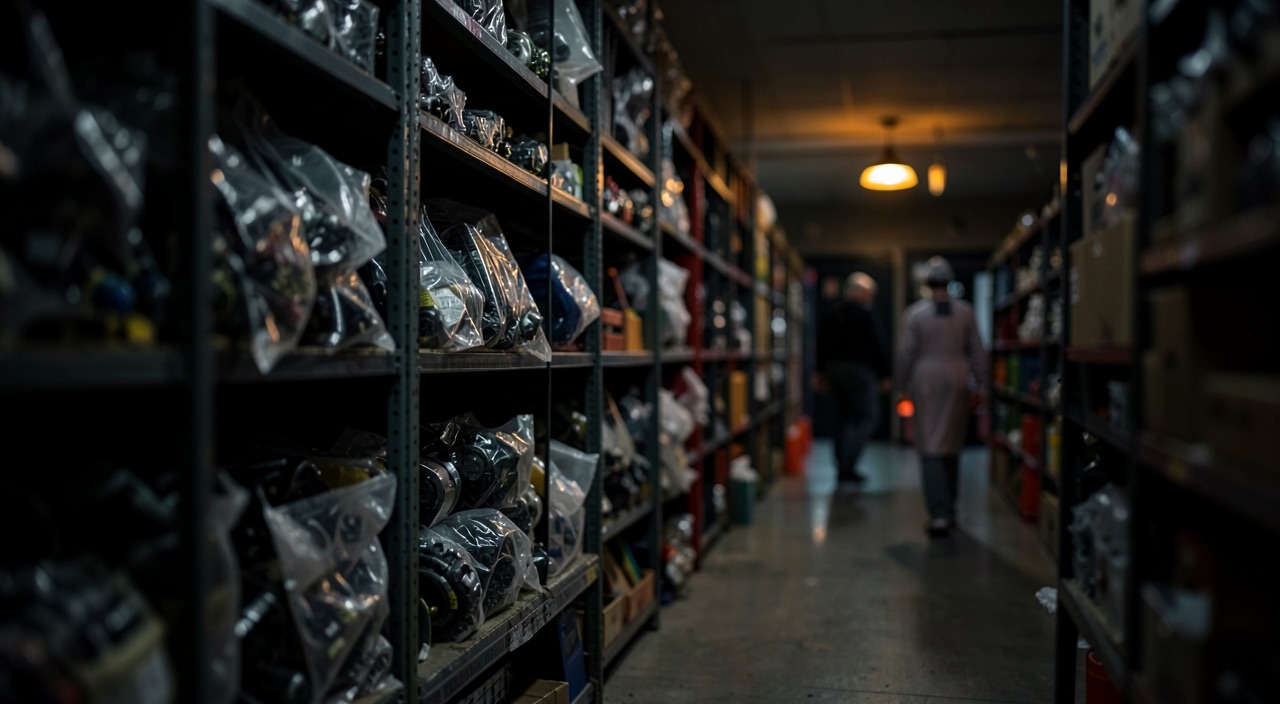
When a Type Certificate Holder Disappears: Managing an Orphaned Fleet
A liquidator replies, in three lines, that no further technical request will be handled. The fleet, meanwhile, keeps flying: airworthiness certificates remain…
-

Analysis or Test: Under What Conditions a Calculation Replaces a Certification Test
A design office proposes to justify a load path by a finite-element calculation rather than a static test. The authority answers neither…
Category: Regulation & Safety
Aviation regulation and flight safety decoded: EASA and ICAO rules, flight time limitations, safety management and lessons from occurrences.
Notre Écosystème
Découvrez l’écosystème FL330
FL330, c’est toute l’aviation professionnelle — explorez nos autres espaces.


