
-
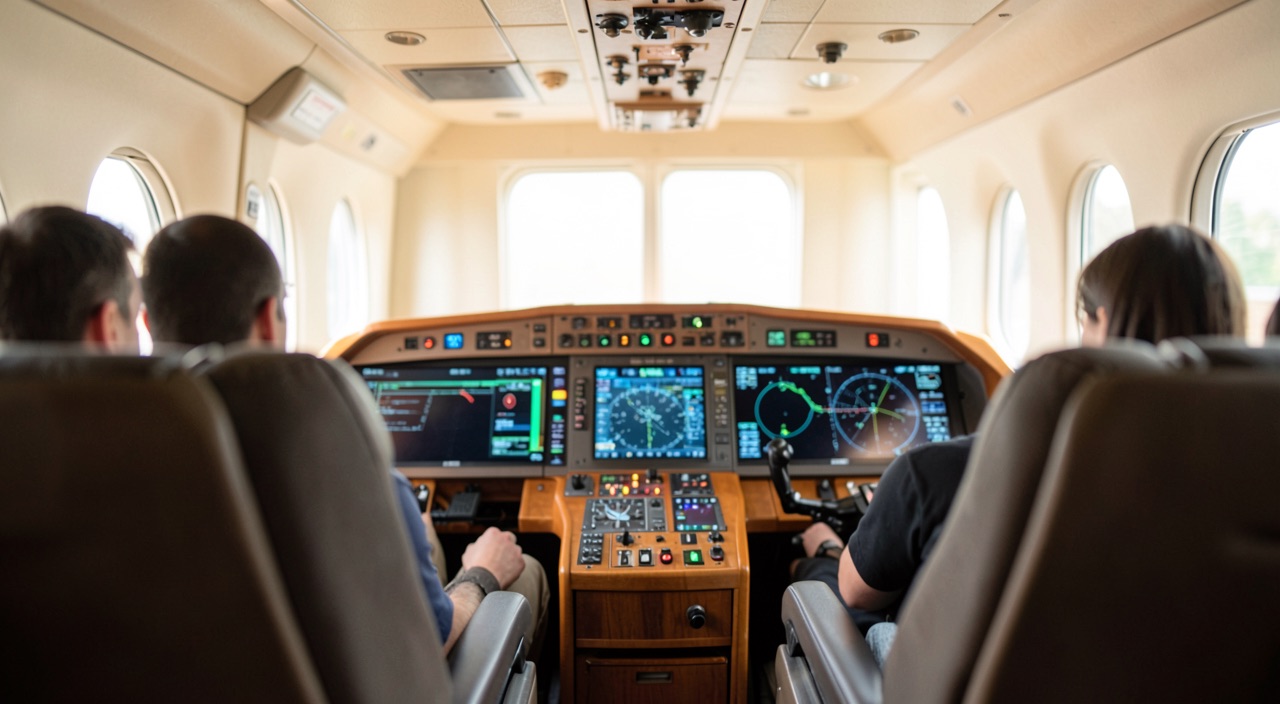
Recognising an unusual attitude before it takes hold
High-altitude cruise, autopilot in altitude hold, not a single warning light. The trimmable horizontal stabiliser, meanwhile, has been running nose-up for several…
-
Surprise and freeze: the first seconds decide the rest
A briefed exercise is handled without delay: the crew knows what is coming, the hand is already on the right control, the…
-
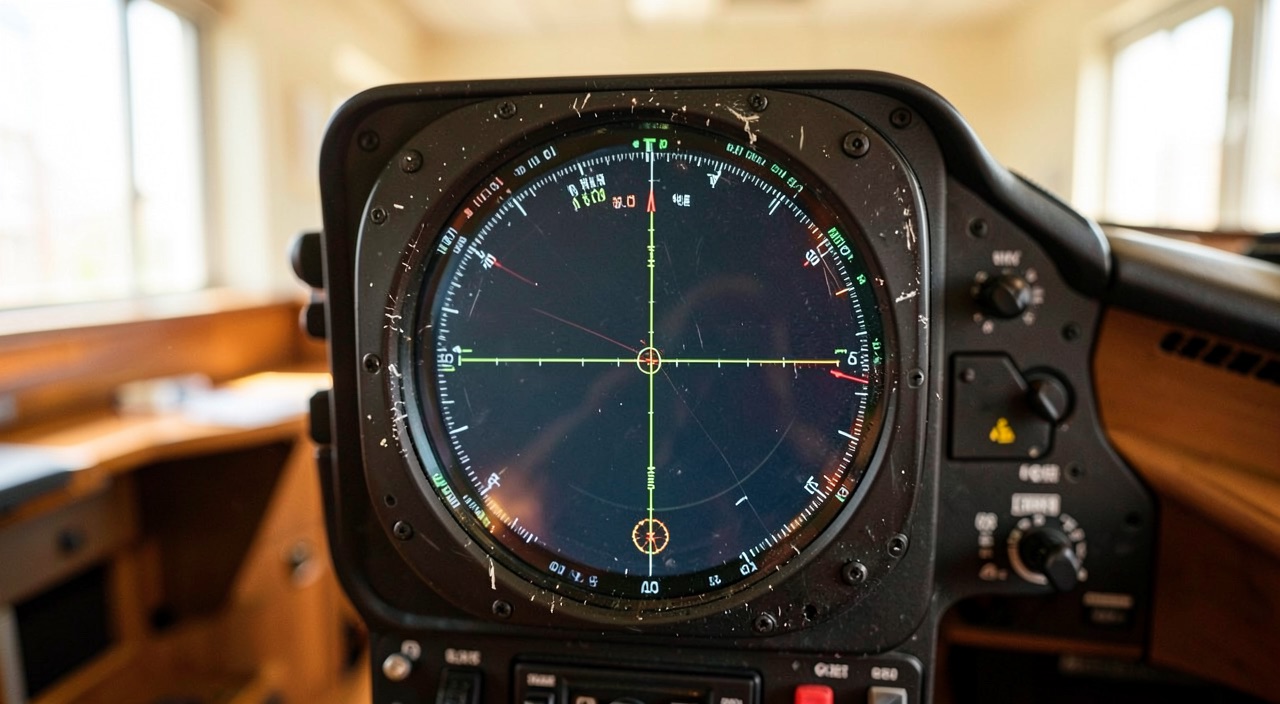
Nose high, nose low: two recoveries with nothing in common
The autopilot drops out at the top of the climb, the pitch attitude is steeply nose-up and the airspeed is collapsing; or…
-
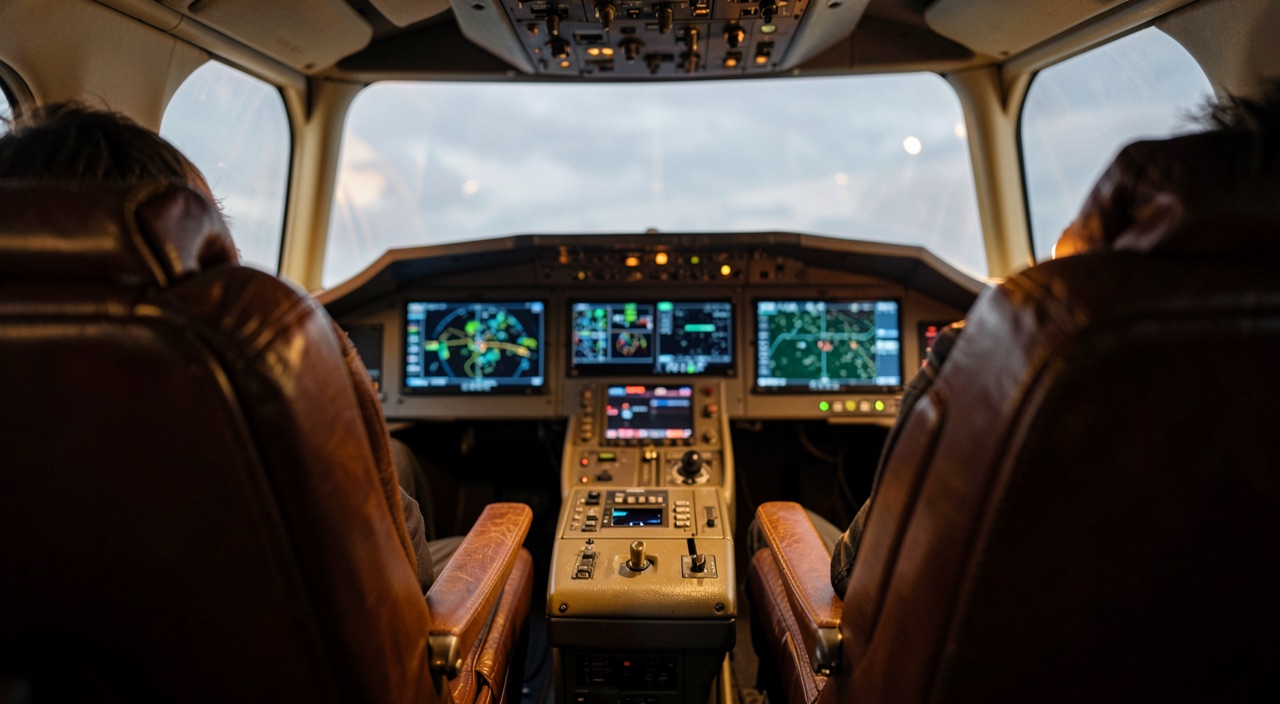
Upset recovery: why this training became mandatory
For decades, a successful stall exercise looked like this: warning, thrust set to the stop, attitude held, a few dozen feet lost,…
-
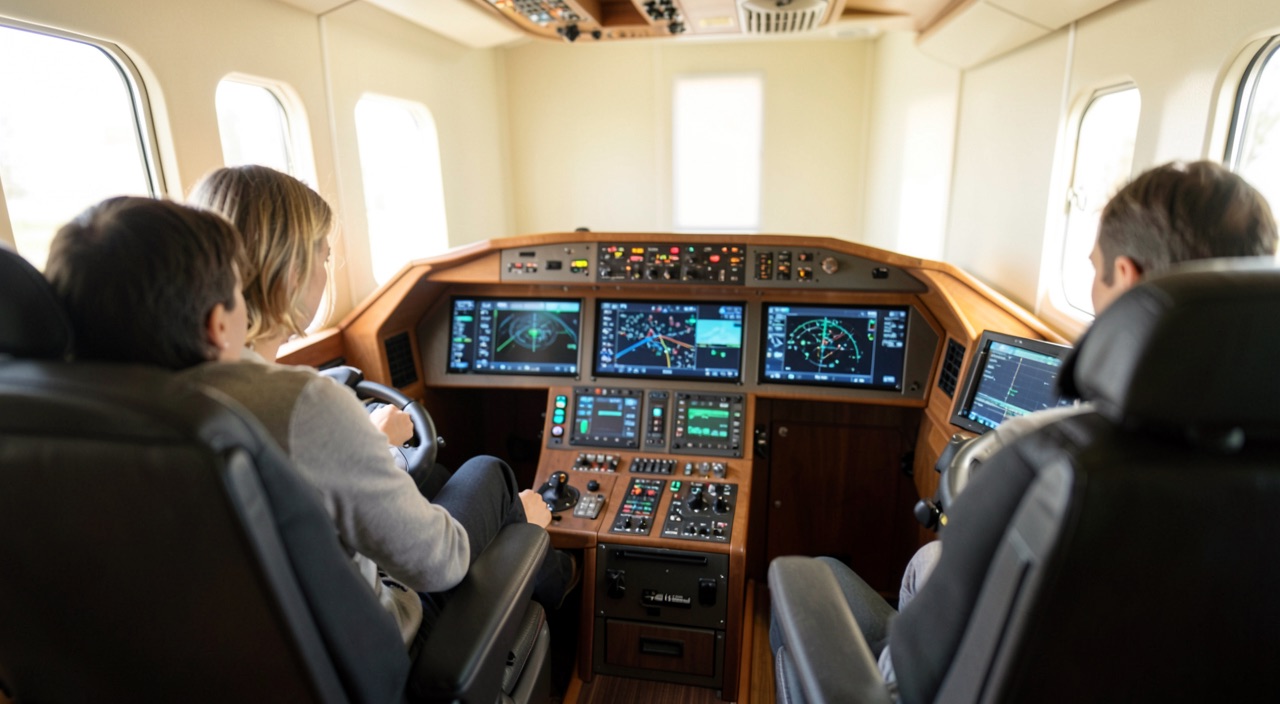
A spiral dive is indistinguishable from a pull-out: reading the instruments in the right order
Nose below the horizon, airspeed climbing, vertical speed indicator against its bottom stop, altimeter unwinding, aerodynamic noise rising: these five indications are…
-

Line training: what the instructor is really looking for
Eighteenth sector, an uneventful day: not one deviation from the flight path, not one missed call-out, a clean landing. And yet the…
-
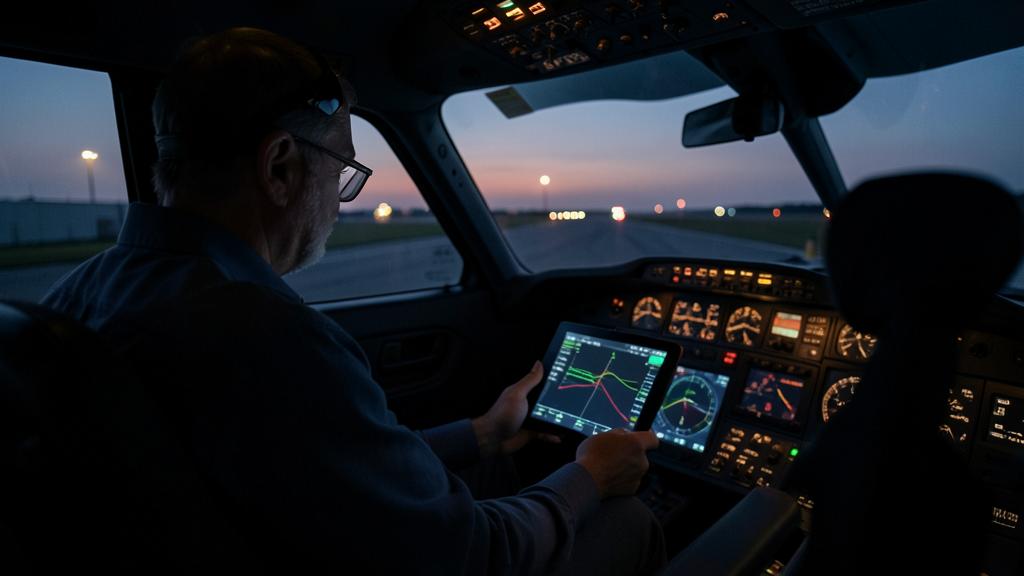
Debriefing Your Own Flight: A Method for When No One Else Will
Four sectors, last rotation, end of the evening. The go-around on the second sector was never discussed, either in the moment or…
-

First line flight: what training school does not prepare you for
Fourth line sector, aircraft nominal, weather without a story. Eight miles from the threshold, ATC offers the other runway and the captain…
-
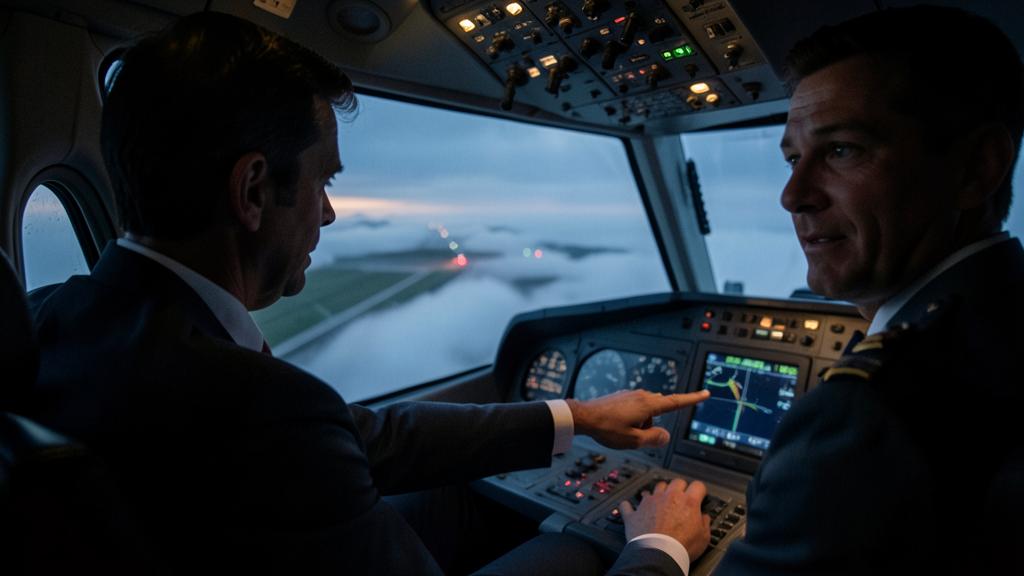
Crew cooperation when you are the most junior pilot on the flight deck
Descending towards a familiar airfield, ATC offers a short cut and the captain accepts it. The first officer, a few hundred hours…
-
Error Made, Error Detected: The Recovery Chain
A trainee steps off a line flight sector convinced he flew badly: he counted four errors. The instructor logged only one, the…
Tag: formation
Notre Écosystème
Découvrez l’écosystème FL330
FL330, c’est toute l’aviation professionnelle — explorez nos autres espaces.


