
-

Unstabilised approach: the criterion exists, the decision stays human
Two hundred feet above the glidepath, fifteen knots too fast, the flaps still in mid position, and the thousand-foot gate coming up:…
-
Understanding the active mode before it catches you out
Descending towards an intermediate level, the monitoring pilot calls the new clearance, the pilot flying sets the altitude, and the aircraft keeps…
-
Type Rating and First Officer: What Differs Between the Two Systems
A first officer’s file arrives with an endorsement facing the type that limits the rating to first officer duties. On the licence…
-
Fatigue early in a career: recognising your own state
Fourth day of the week, four sectors, report at four in the morning after five hours of sleep, and you feel perfectly…
-

What the simulator cannot teach you about upset attitudes
A trainee flies two clean recoveries in an upset attitude session, is marked “achieved”, next session. A few months later, on the…
-
The departure briefing: what belongs in it and what clutters it
The first officer finishes his departure briefing just as the tug hooks up. It was all there: the runway, the standard departure,…
-
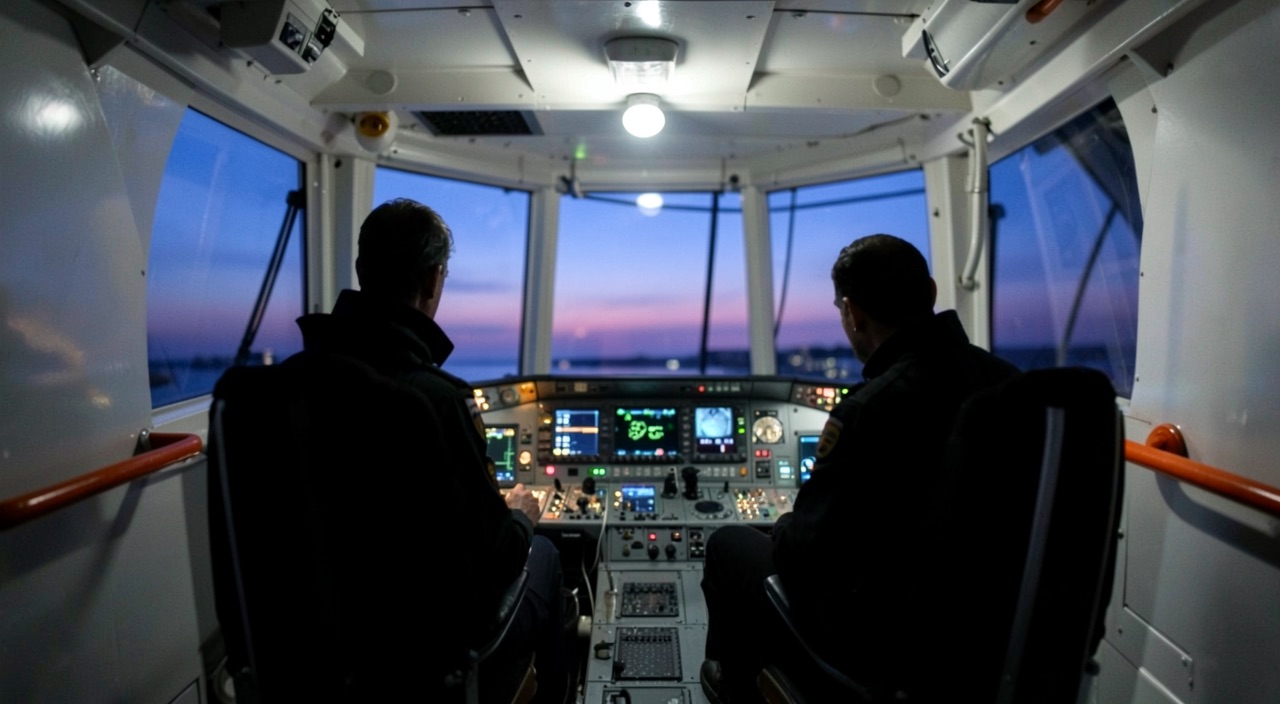
Disagreement on the flight deck: what to do when the other pilot will not change their mind
The captain continues the approach, the first officer calls a deviation that is not being corrected, the call is repeated, nothing changes.…
-
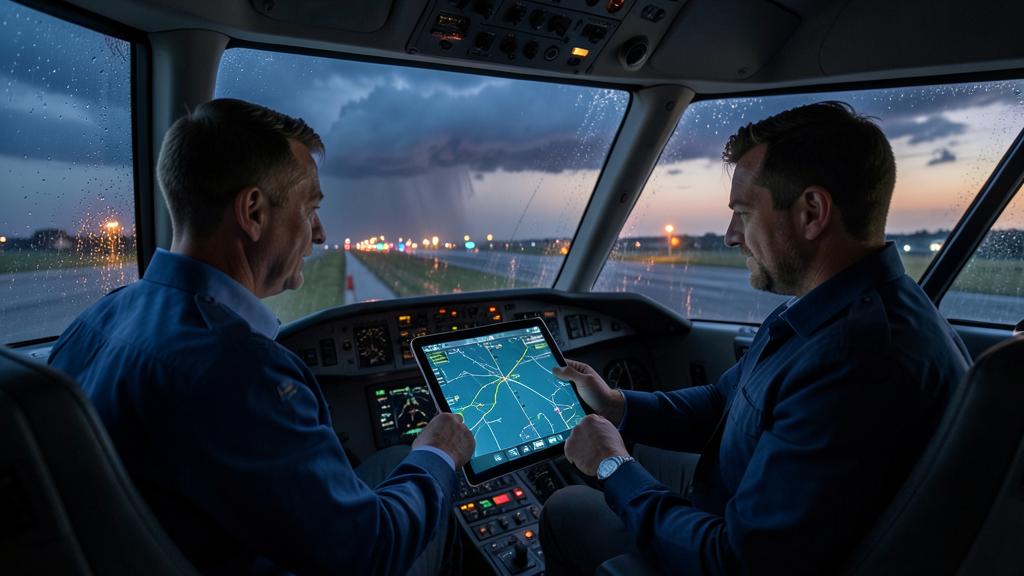
Anticipating a Flight’s Threats Before Boarding
“Weather, terrain, traffic.” The briefing lasted forty seconds and could have been recorded once and replayed forever: nothing in what was just…
-
When to Disconnect: The Situations Where Automation Costs More Than It Delivers
A short radar vector, a runway change announced a few miles from the field, and suddenly four hands are on the keypad…
-
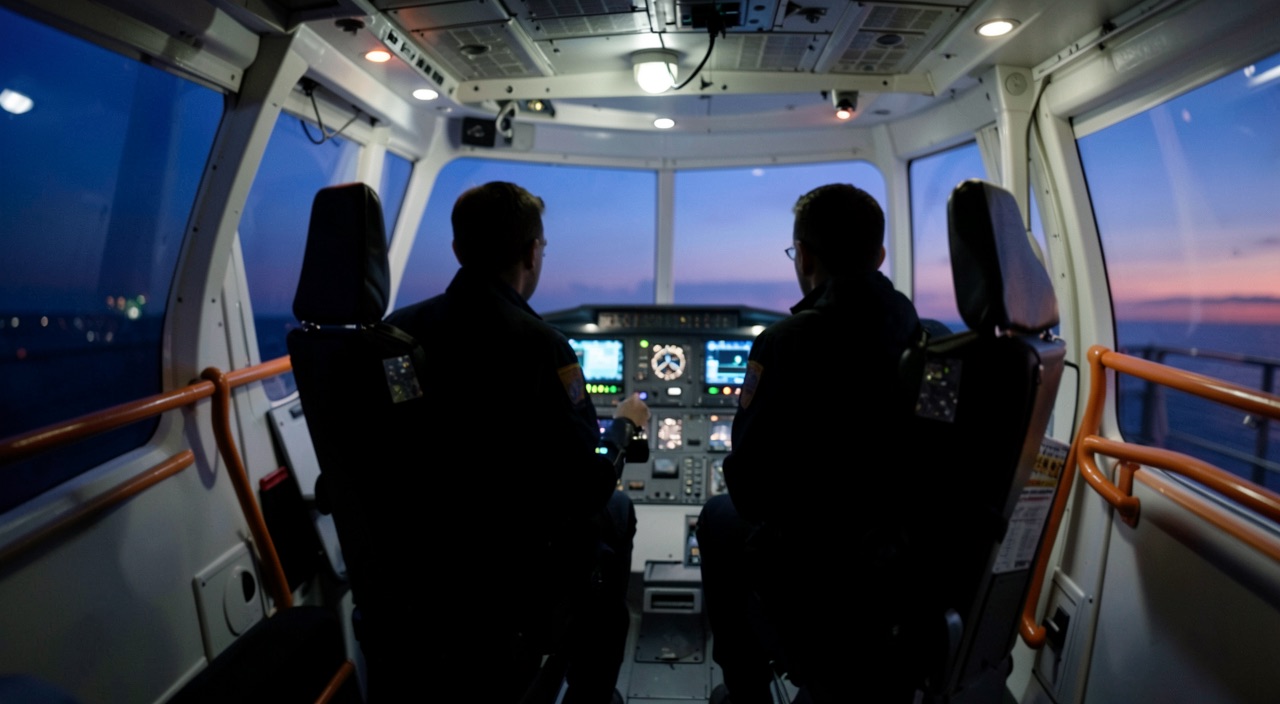
Division of duties: pilot flying and pilot monitoring
Last minute before intercept: ATC changes the runway. Both pilots lean over the pedestal, one to enter the new approach, the other…
Tag: formation
Notre Écosystème
Découvrez l’écosystème FL330
FL330, c’est toute l’aviation professionnelle — explorez nos autres espaces.


