
-

Meals in Flight and on Layover: Why the Timing Matters More Than the Contents
On a night rotation, the crew meal is eaten whenever the service allows it: after the second pass, once the cabin has…
-
Eastward or westward: why recovery is not symmetrical
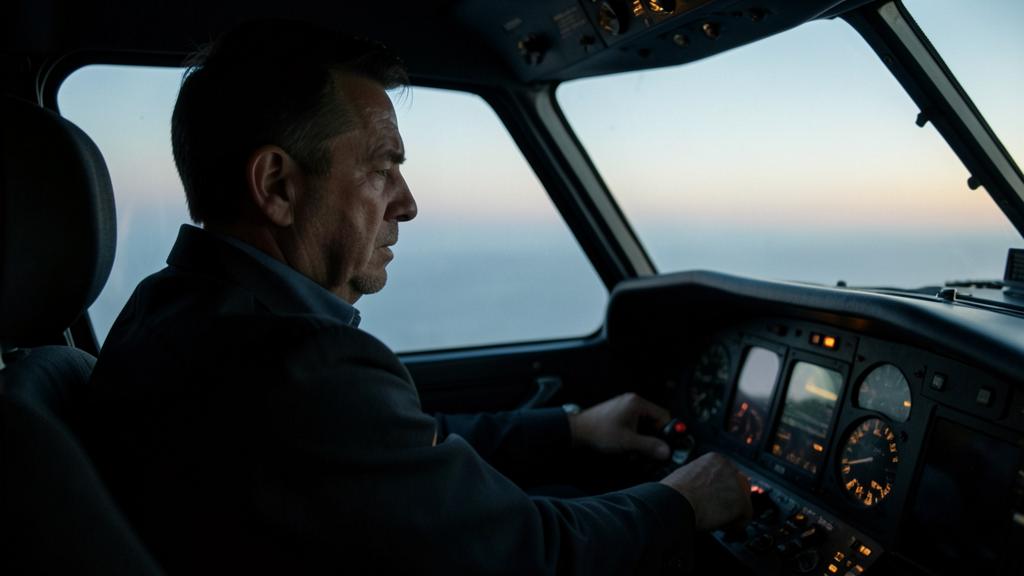
Two pairings in the same roster, the same number of time zones crossed, the same layover length: the one heading west is…
-
From medium-haul to long-haul: what the switch changes for cabin crew
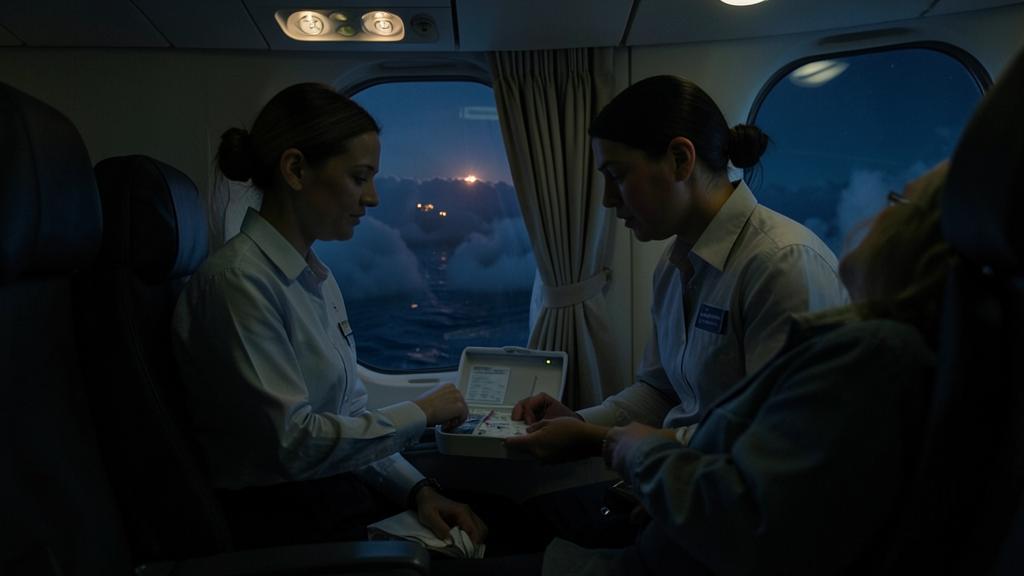
A passenger falling ill three hours after take-off. On a forty-minute sector, the question comes down to a single sentence: will he…
-

Turbulence Forecast in the Dead of Night: Securing a Sleeping Cabin Without Turning Everything Back On
Three in the morning, cabin lights dimmed, half the passengers asleep under a blanket, and the flight deck announces a turbulence area…
-
Long-Haul Light Scenario: What Cabin Lighting Does to Sleep on Board
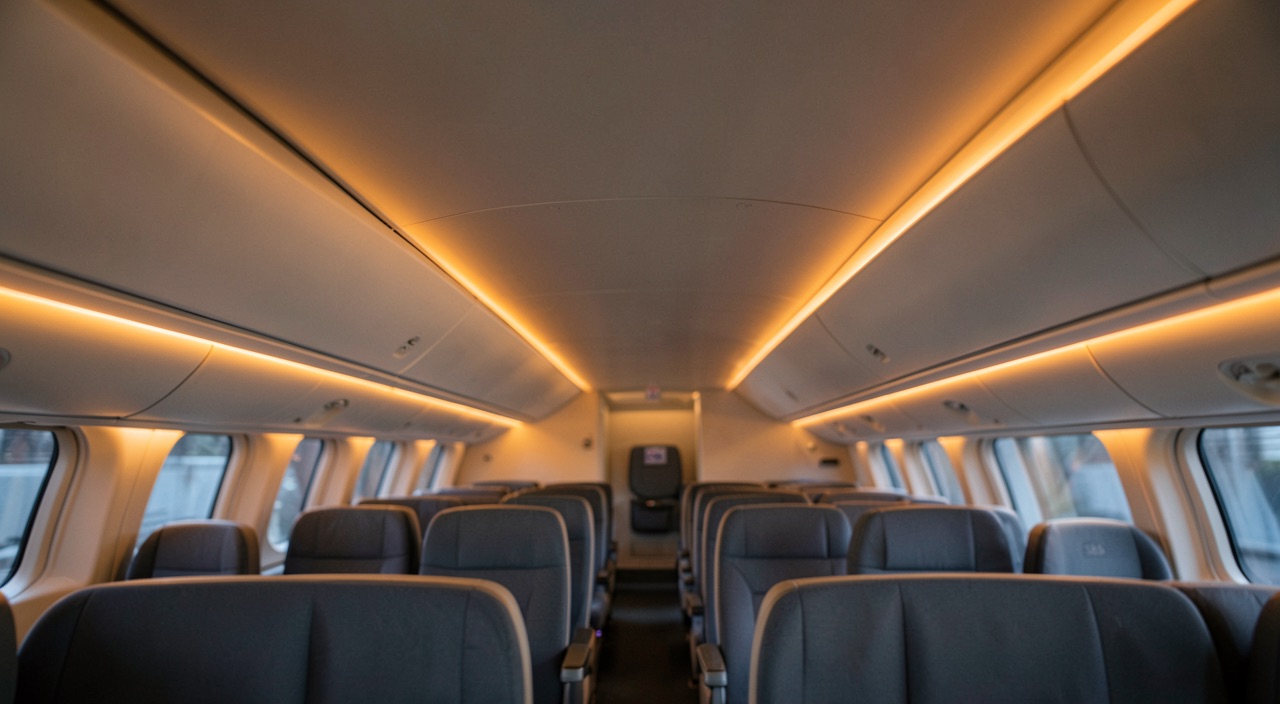
Six hours from arrival, the ceiling shifts to amber, then goes dark. Outside it is broad daylight; at the destination it is…
-
Two-Shift or Three-Shift Rest: The Real Effect on Vigilance at the Approach
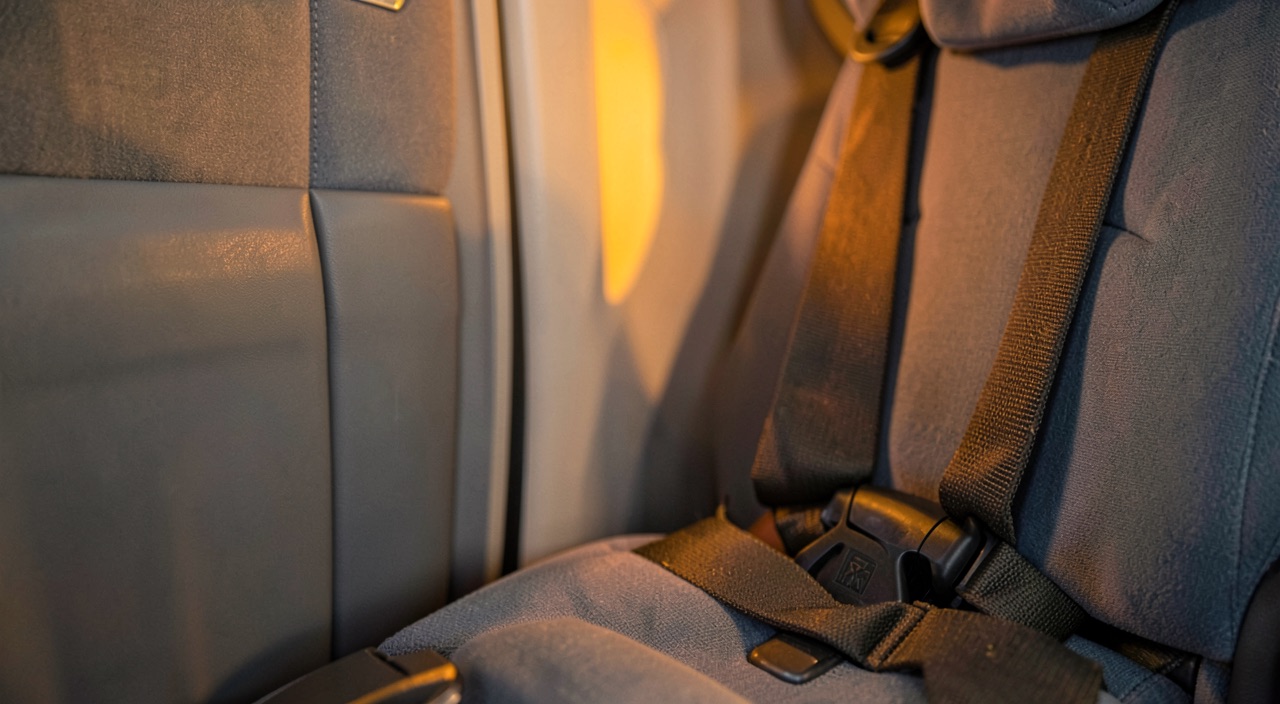
Eleven hours of night flying, a full cabin crew, two ways of sharing in-flight rest: two shifts of about three hours each,…
-
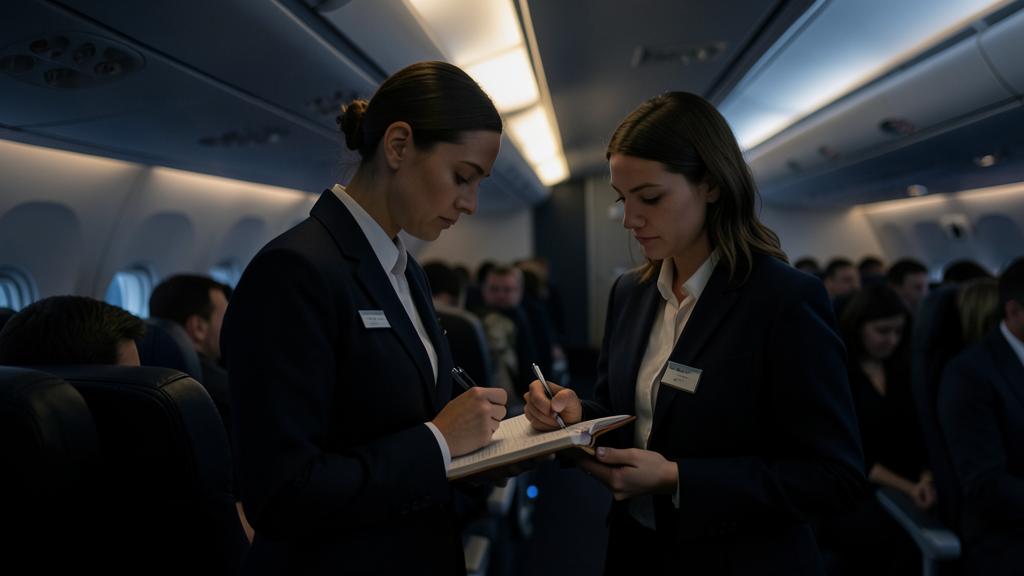
Handing Over In Flight: What a Cabin Crew Briefing Must Pass On to Lose Nothing
Second hour of the flight, a passenger has a medical episode: the kit is opened, ground medical advice is obtained, monitoring is…
-
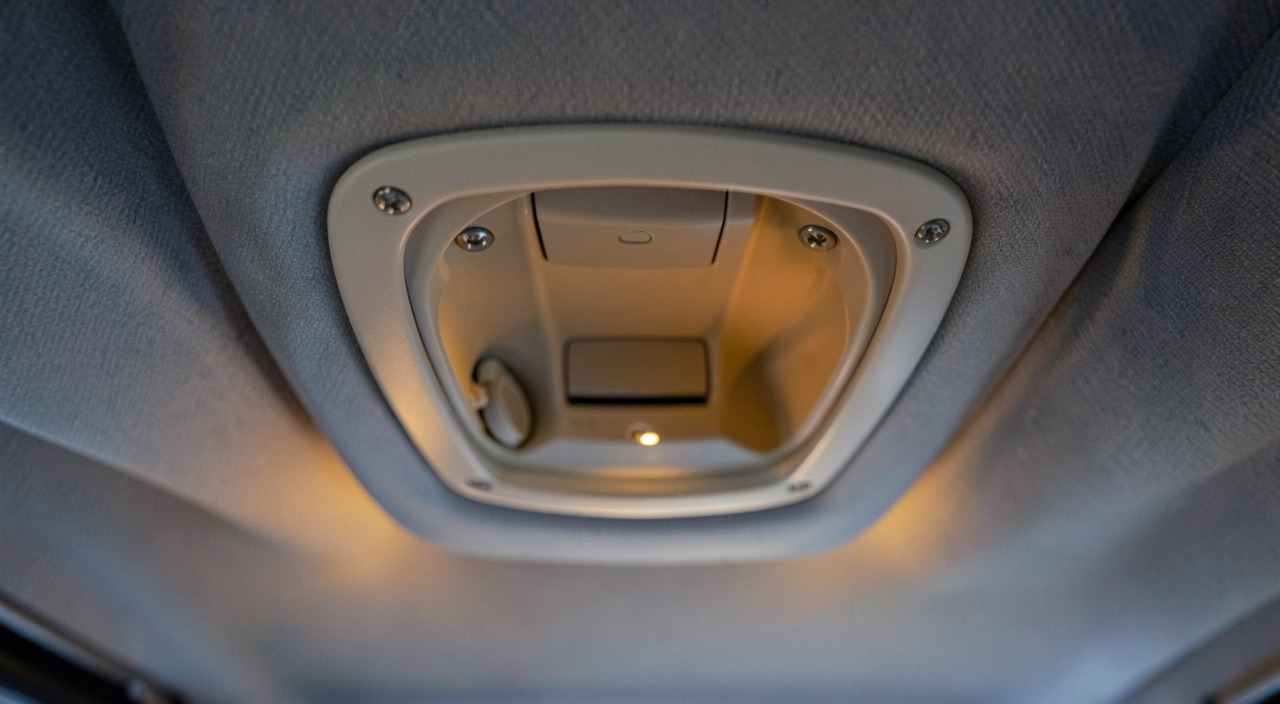
Serious medical event six hours from the nearest airfield: building the diversion decision
A passenger collapses in the aisle three hours after takeoff, in the middle of an ocean crossing. The nearest reachable airfield is…
-

Crew Rest Compartment: Why Your Assigned Place Is Not a Matter of Rank
Eleven hours fifty minutes of flight, twelve cabin crew members, six bunks and three rest blocks: the purser fills in the plan…
Tag: long-courrier
Notre Écosystème
Découvrez l’écosystème FL330
FL330, c’est toute l’aviation professionnelle — explorez nos autres espaces.


