
-

Cabin crew credentials compared: attestation, certificate, and what each allows
A European cabin crew attestation has no effect at a North American carrier, and a federal certificate opens no door in Europe.…
-
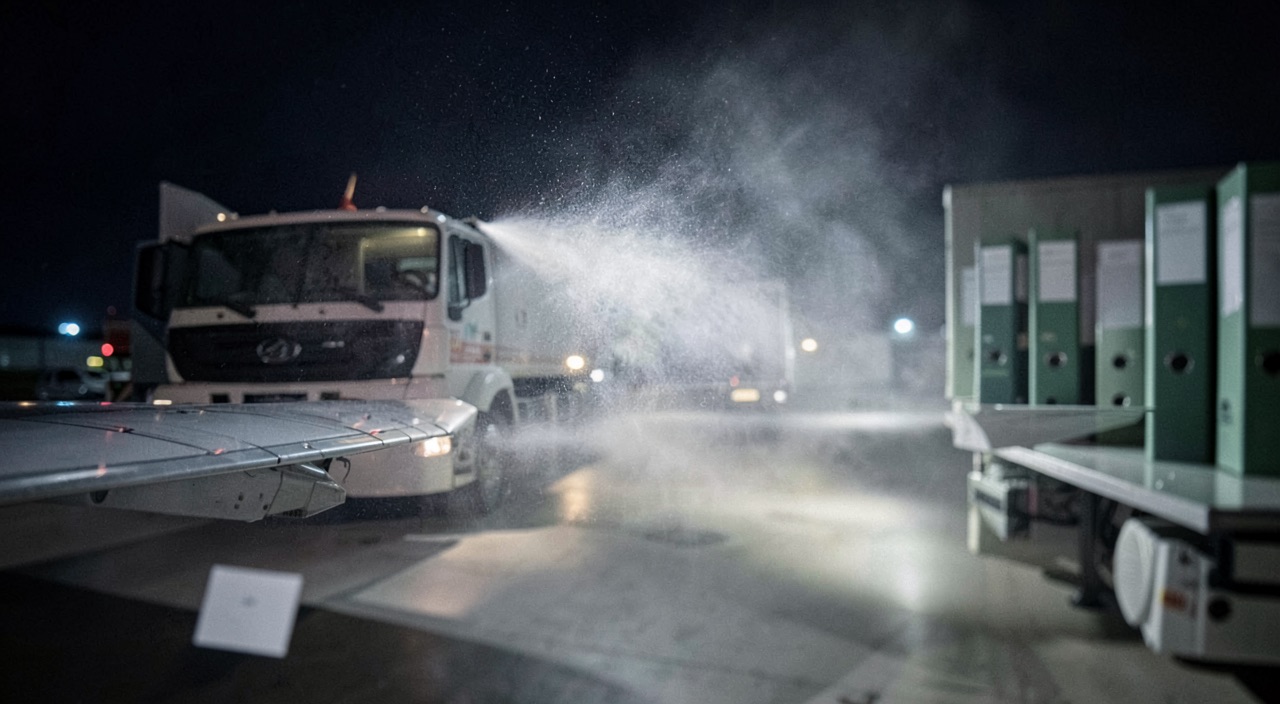
Deicing Fluid Holdover Times: Two Ways to Produce the Same Tables
The truck pulls away, the operator calls out the code: Type IV, seventy-five percent mix, start time of the last pass. The…
-

Recency and Currency Compared: Counting Acts or Revalidating a Privilege
Four months off, resumption scheduled for Monday. In one case, the crew flies three circuits and the count checks out: nothing was…
-

Fuel policy compared: prescribed reserves or approved policy
Two operators load the same type on the same route, in the same slot, with the same weather at the alternate. One…
-

Maintaining Instrument Currency: Counted Approaches or a Revalidated Rating
A captain passes his proficiency check in the simulator in spring and comes out with an instrument rating valid for one year.…
-
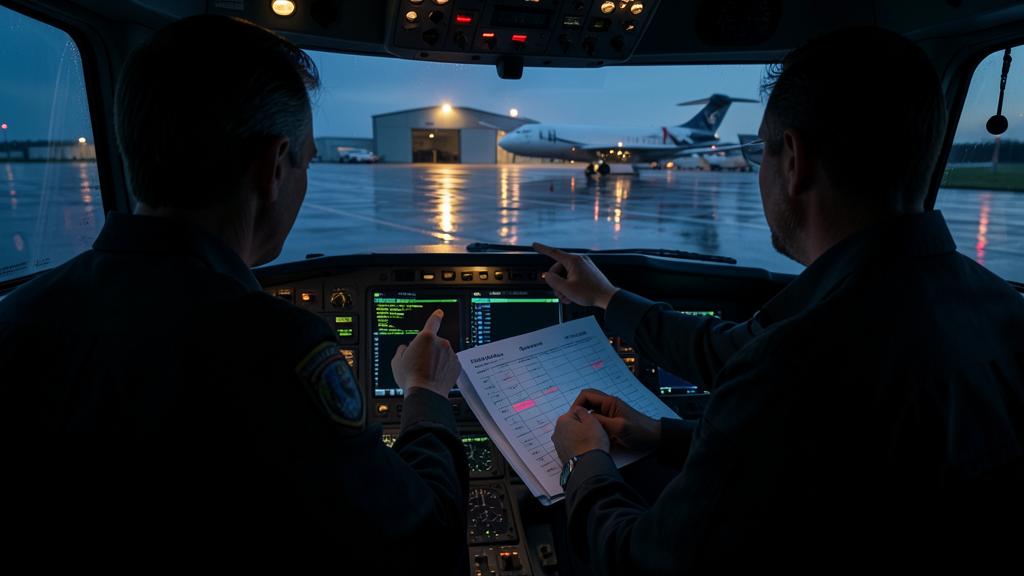
Flight Time Limitations: Two Philosophies, and What They Produce in Line Operations
A transatlantic rotation, two crews, two certificates. The first departs its layover as soon as it can, the second waits until it…
-
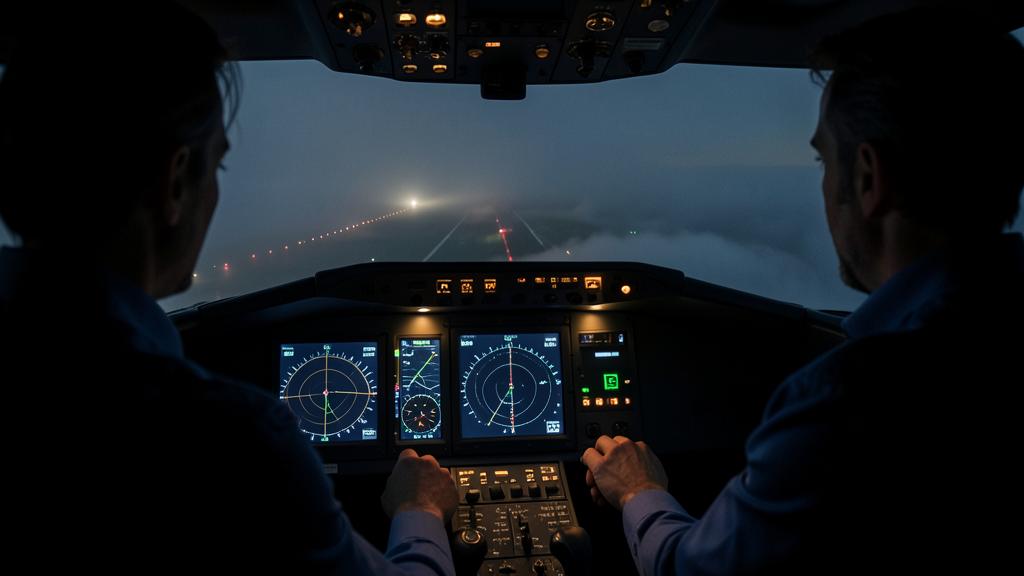
Approach Ban: At What Point Does Weather Prohibit Continuing
Eight thousand feet, descending, and approach control reports a runway visual range of four hundred fifty metres on a runway where your…
-
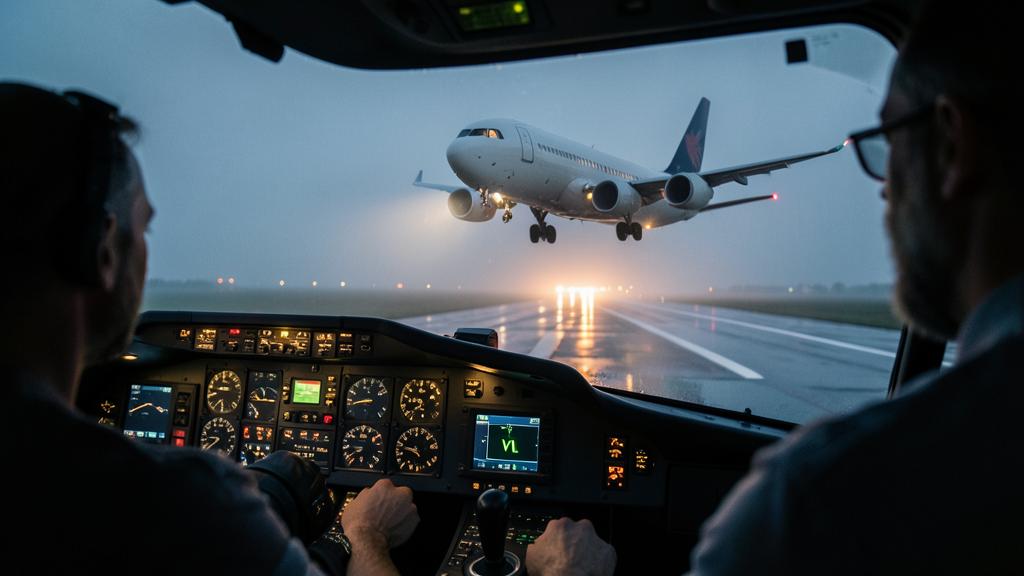
Takeoff Alternate: When It Becomes Mandatory, and What It’s Required to Provide
The flight departs with a very low runway visual range: the operator’s takeoff minima allow it, the low-visibility procedure is approved, the…
-

Occurrence Reports: What Each System Actually Protects
Twenty seconds below the minimum sector altitude, an immediate go-around, and the question that always follows: if you file a report, what…
-
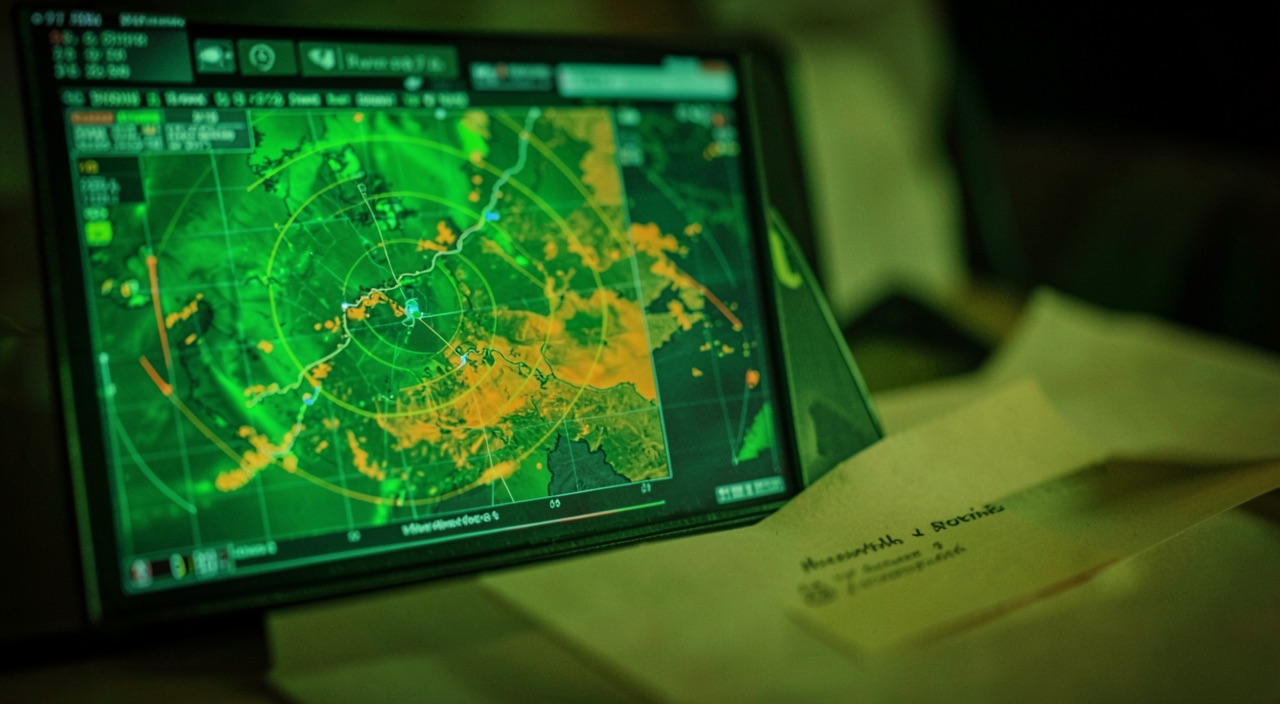
Alternate Aerodrome: A Numerical Rule Versus a Planning Logic
The destination TAF forecasts 2,500 ft and 8 km, with a temporary group at 900 ft and 2,500 m that encroaches on…
Tag: réglementation comparée
Notre Écosystème
Découvrez l’écosystème FL330
FL330, c’est toute l’aviation professionnelle — explorez nos autres espaces.


