
-
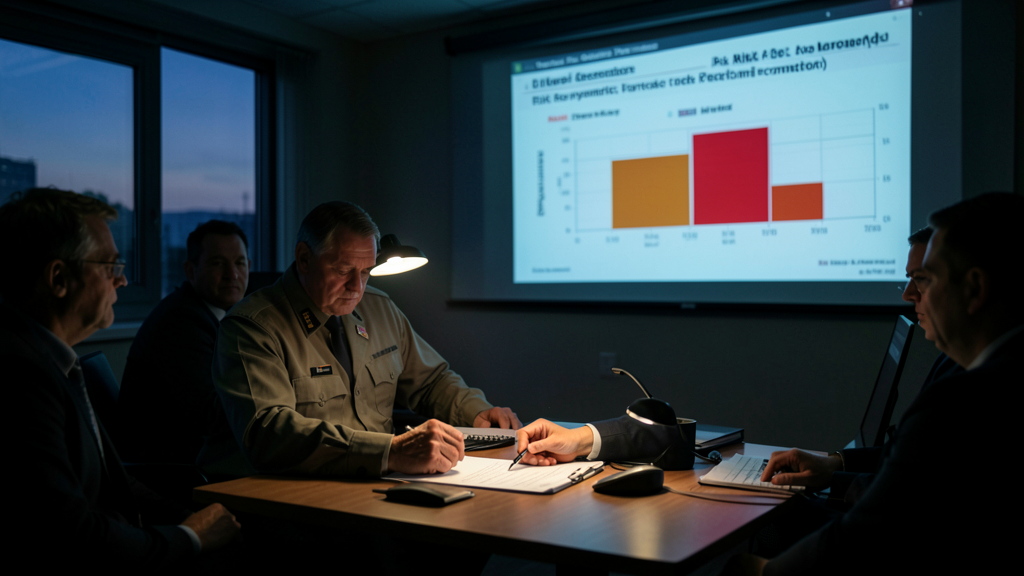
Accepting Residual Risk: Who Signs, on What Basis, and Until When
An audit almost never finds a badly judged risk. It finds an acceptance nobody can attribute, justify or date. Why the signature…
-
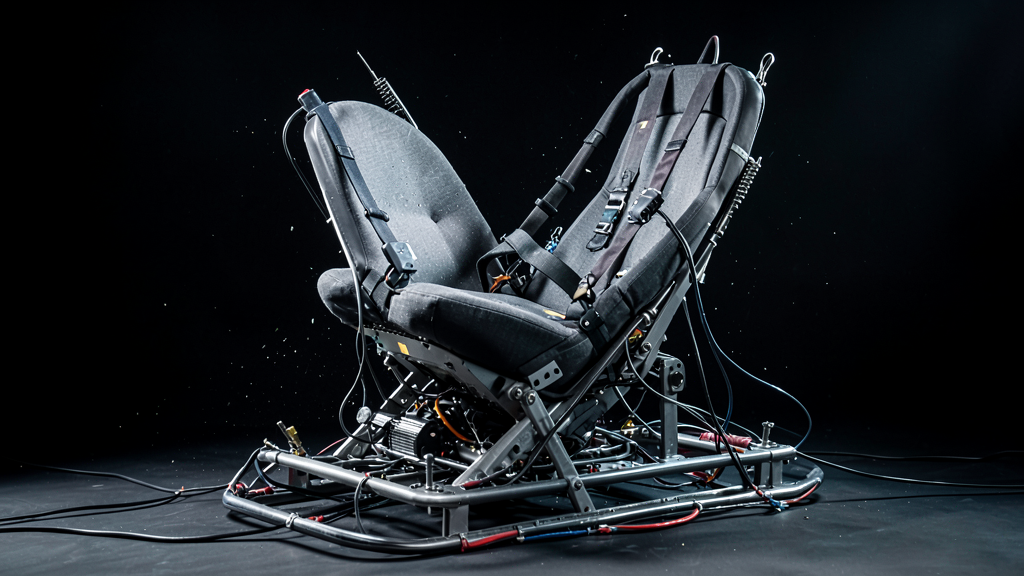
From the Show Stand to the Cabin: The Test Chain a Seat Has to Survive
On a stand a seat is a shape and a weight figure. In a cabin it has been decelerated on a sled…
-
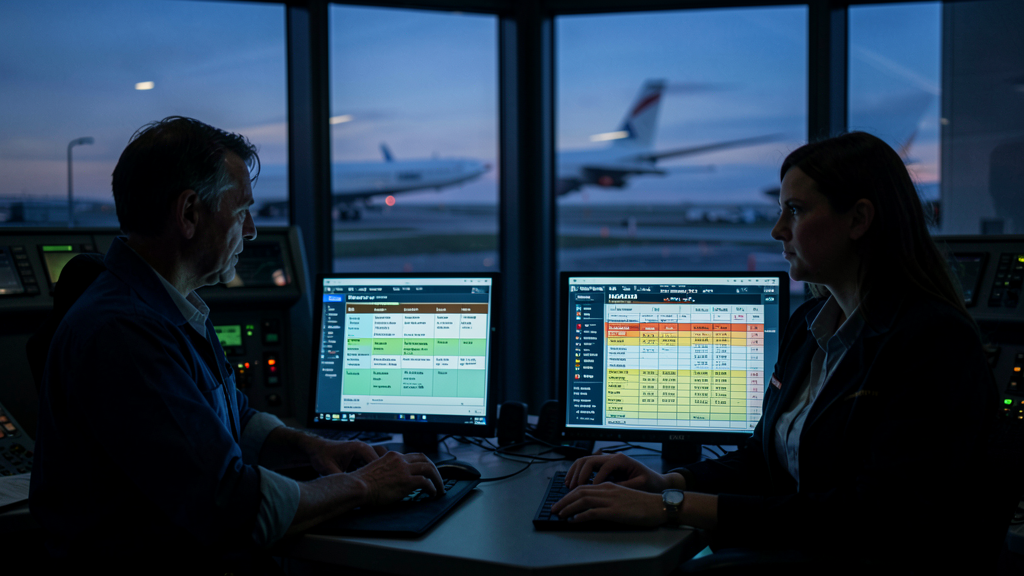
Compliance Monitoring and Safety Management: Where the Line Actually Falls
One management system, two functions that are not versions of each other. Which findings belong to each, why a fully compliant roster…
-
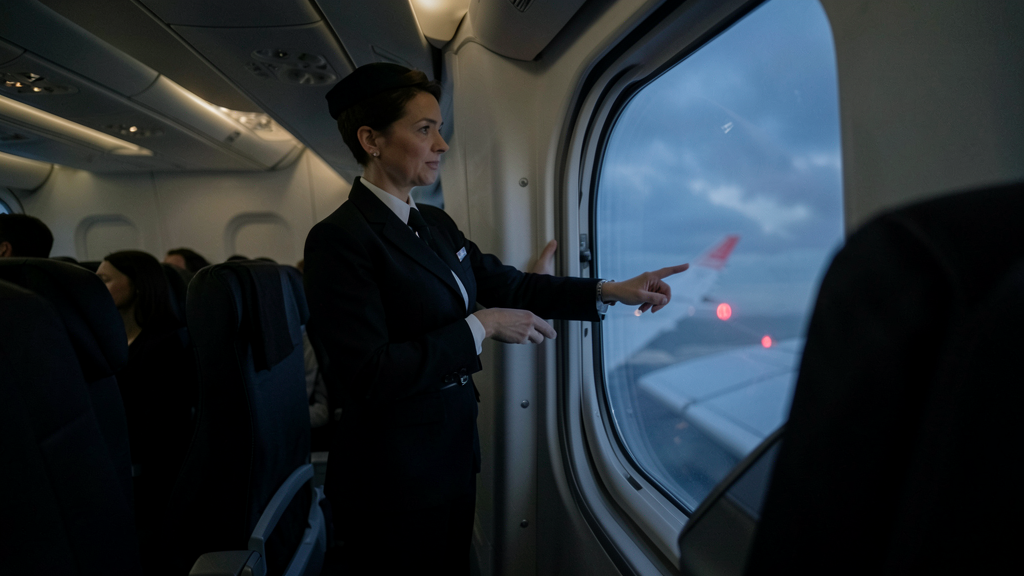
Exit Row Seating: The Real Criteria, and a Refusal That Holds
The exit row is sold as legroom and allocated as a function. Where the criteria actually come from, why they differ between…
-
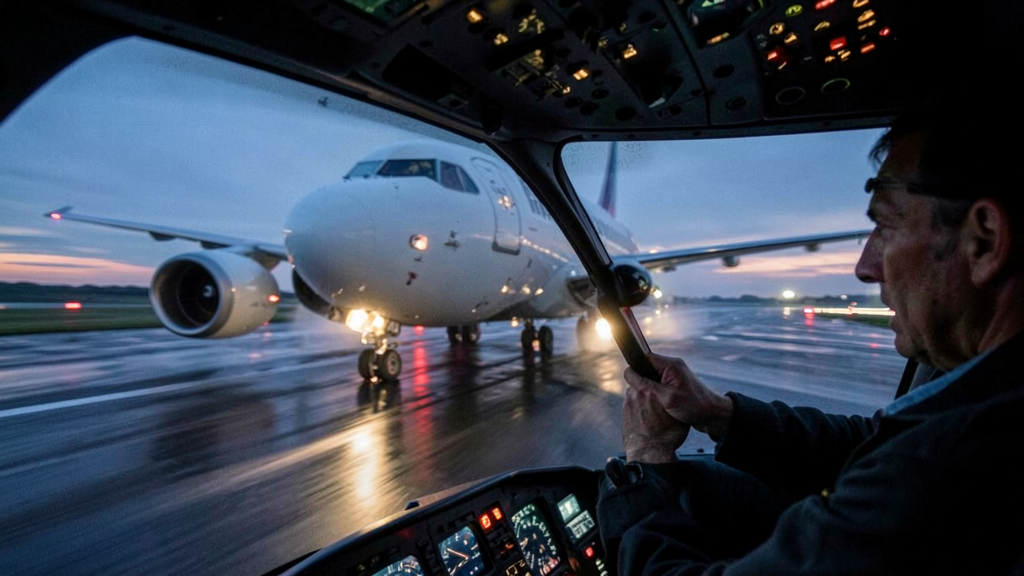
Takeoff Decision Speed: What the Accelerate-Stop Margin Actually Guarantees
V1 is a computed compromise, not a moment of judgement. It rests on a one-second recognition by a test crew, two seconds…
-
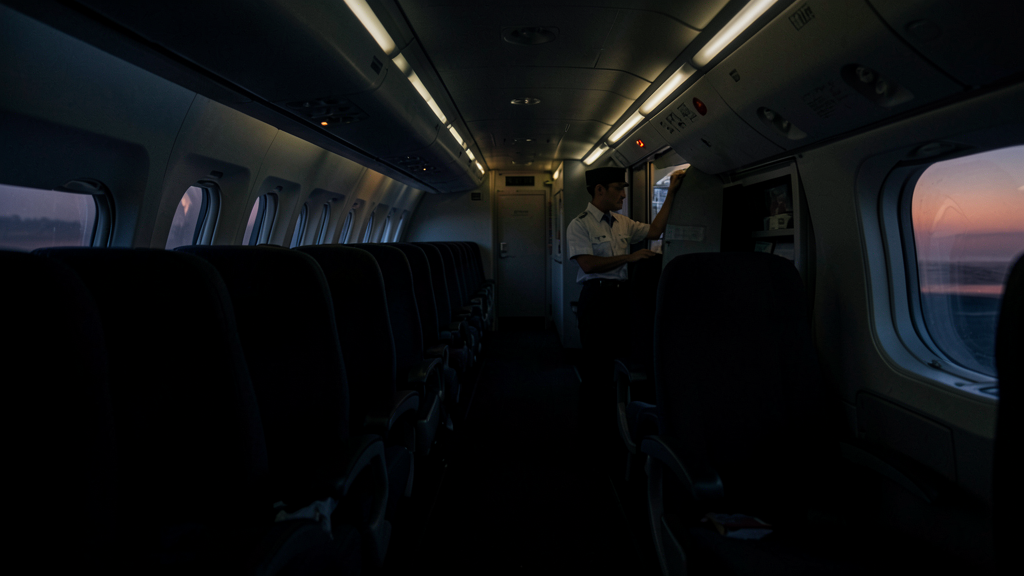
One Crew Member per Fifty Seats: Where the Divisor Came From, and What It Costs the Cabin
The cabin crew minimum follows the seats bolted to the floor, deck by deck, not the passengers sold. Where the fifty-seat divisor…
-
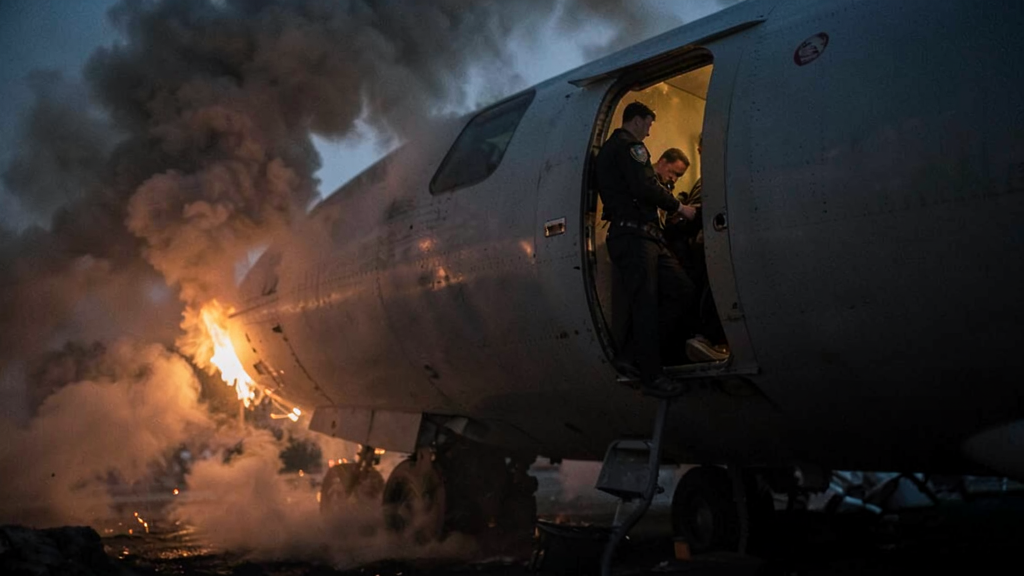
Refusing to Open an Exit: How Cabin Crew Decide in Smoke
An evacuation command never names the doors. Standing at one exit with a viewport and seconds to spare, a crew member must…
-
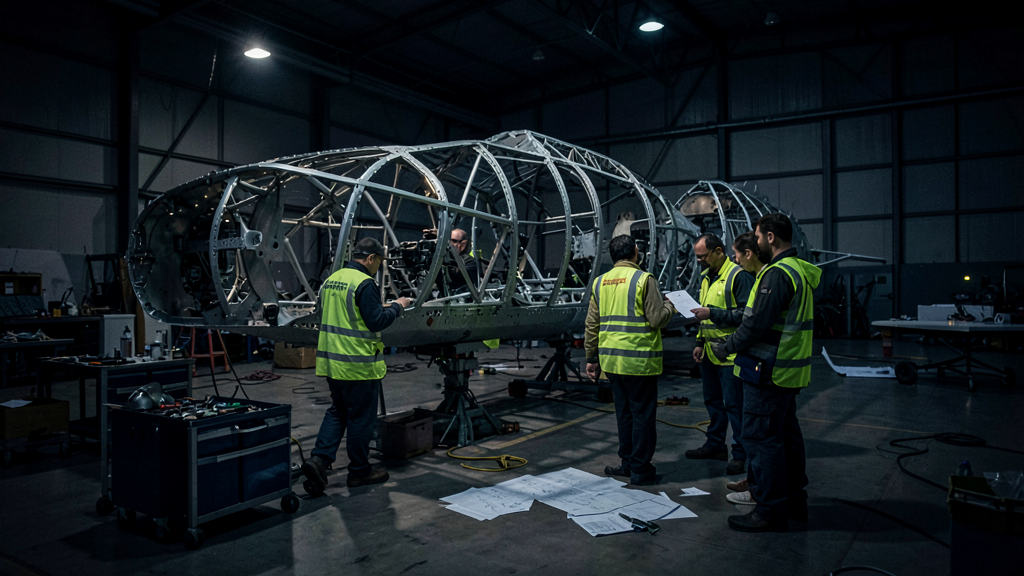
Where an Aircraft Programme Actually Loses Its Months
The cause named when a programme slips is the task that was visibly late that week, not the one that emptied the…
-
Zero Flight Time: What the Simulator Has to Prove Before It Replaces the Aeroplane
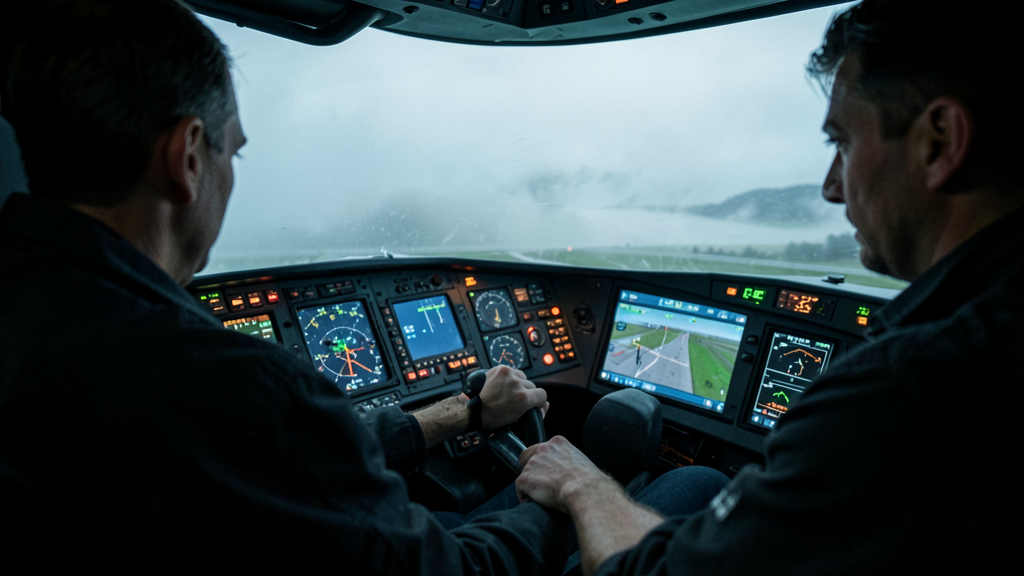
A type rating can be completed without ever boarding the aeroplane. The credit comes from a traceable chain of validation data, device…
-

Anatomy of a Type Rating: Why the Course Splits into Ground, Simulator and Line
A type course is two courses under different rules: a licensing rating closed by a skill test, and an operator conversion closed…
Author: FL330
Notre Écosystème
Découvrez l’écosystème FL330
FL330, c’est toute l’aviation professionnelle — explorez nos autres espaces.


