
-
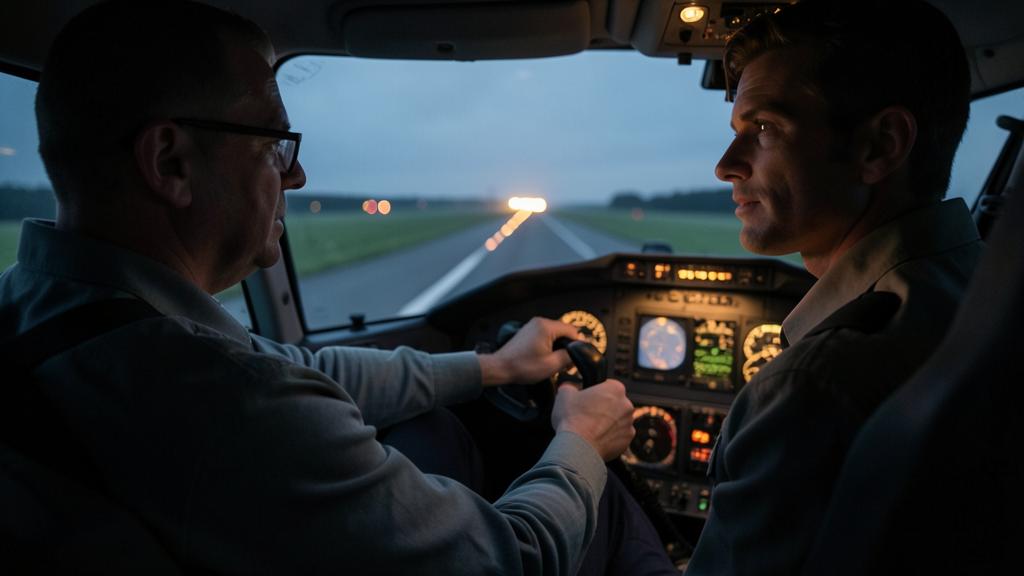
Returning to Flying After a Long Break: What the Simulator Cannot Measure
A check session tests rare, high-arousal events. What a long absence degrades is ordinary, low-arousal performance: spare capacity, pacing, monitoring, crew calibration.…
-
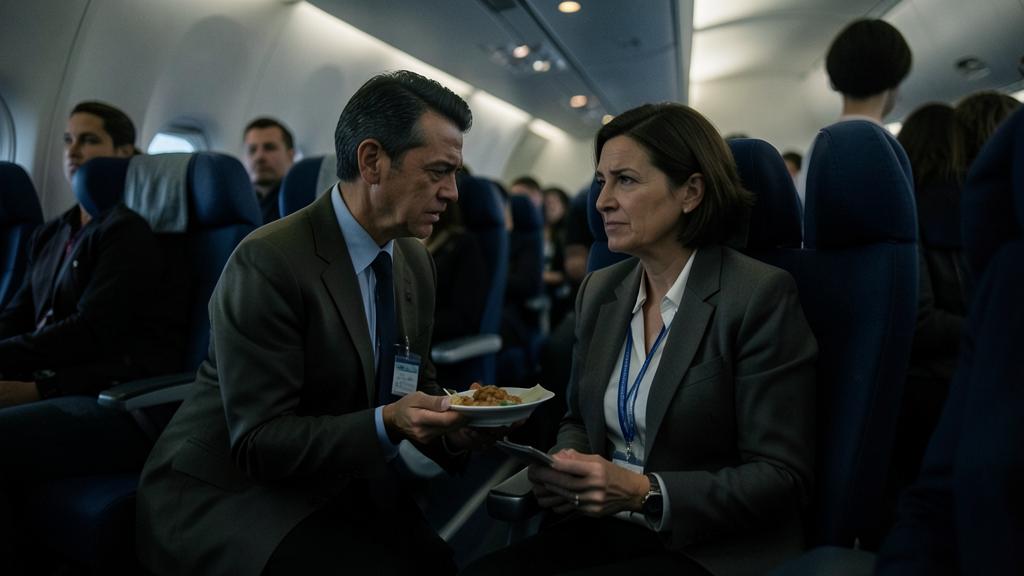
Complaints in the Cabin: What Closes On Board and What Must Go Back to Customer Service
A complaint at a seat is two objects: an incident the cabin owns entirely, and a claim it usually cannot assess. Four…
-
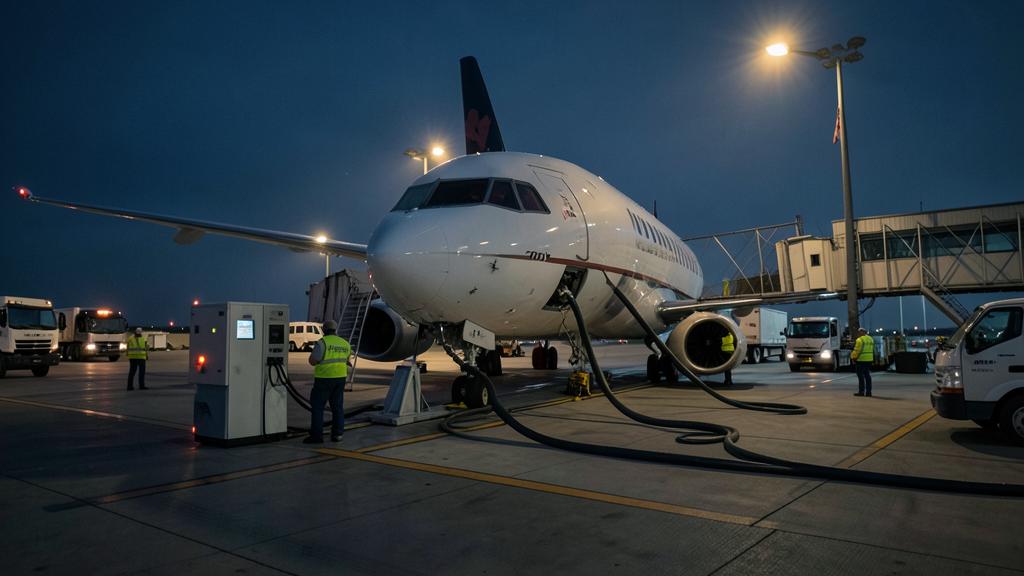
Turnaround Charging: The Ceiling Is on the Stand, Not in the Aircraft
Available charging power, the heat it creates and the electrical connection feeding the parking position cap the rotation long before the pack…
-
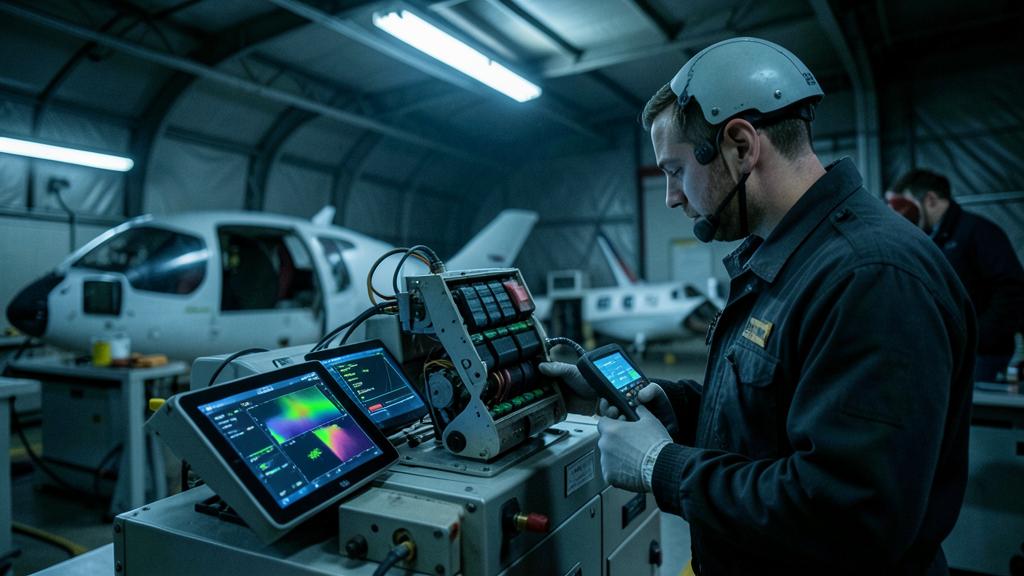
Electric Propulsion: When State of Health Replaces Hours and Cycles
A battery pack ages while the aircraft is parked, so no counter on board measures what consumes it. Replacing a hard-time potential…
-
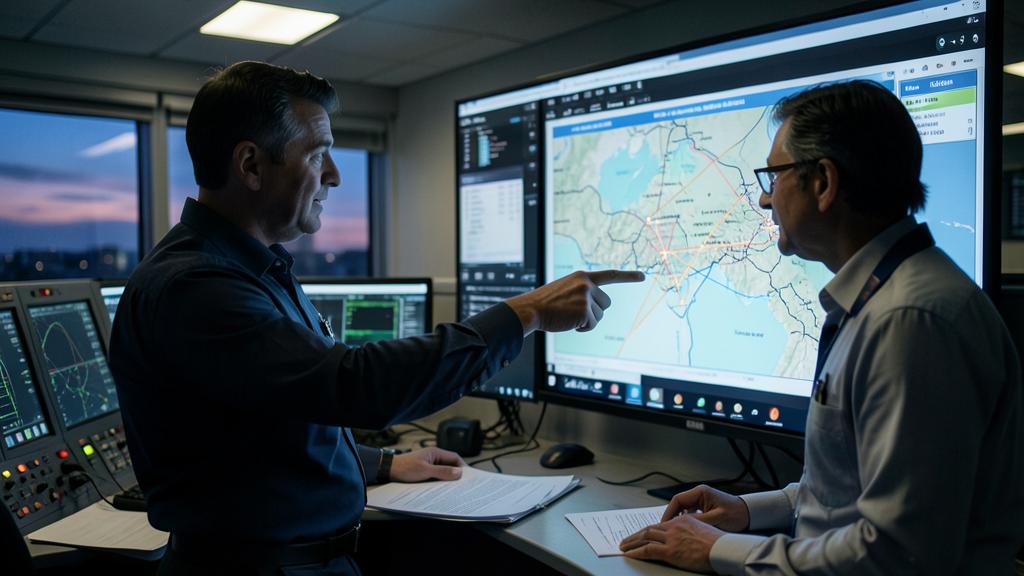
From Fifteen Years on the Line to a Ground Post: Turning Flight Experience into Assessable Competence
A logbook total measures exposure, not capability. Here is which parts of a flying career a ground recruiter can actually score, which…
-
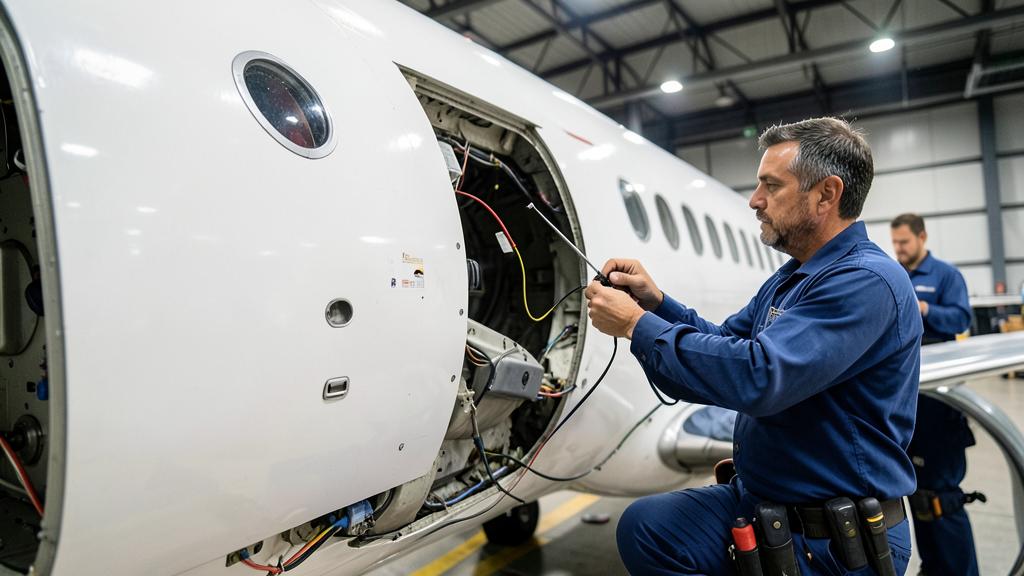
Major or minor: what really decides the classification of a retrofit
Three hundred seats reupholstered can stay minor while one small antenna is a major change. Classification turns on the effect on the…
-
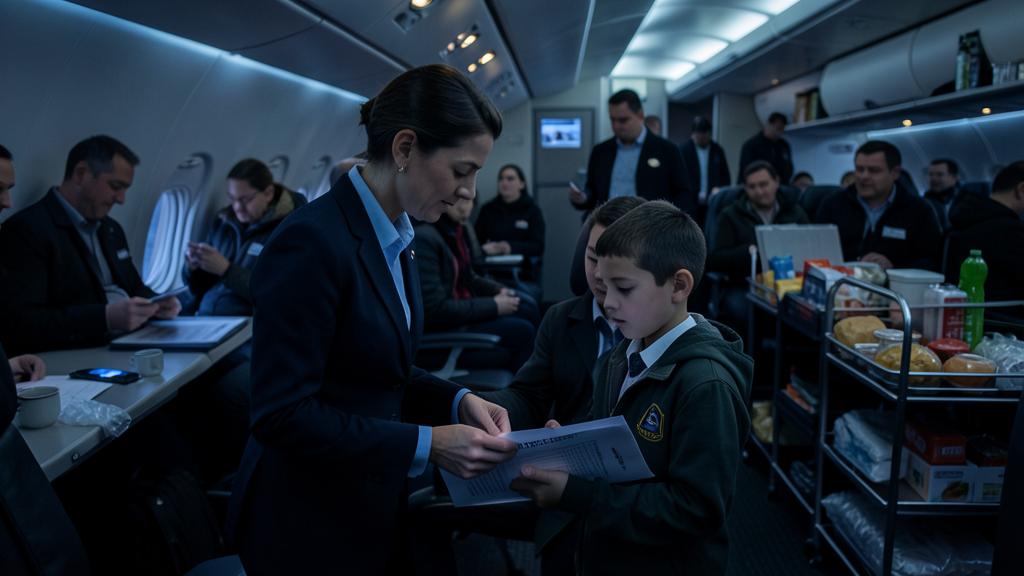
Unaccompanied Minors and Families: Costing the Cabin Workload Nobody Rostered
Minimum cabin crew is a function of installed seats, and the service plan is a function of seats and block time. Neither…
-
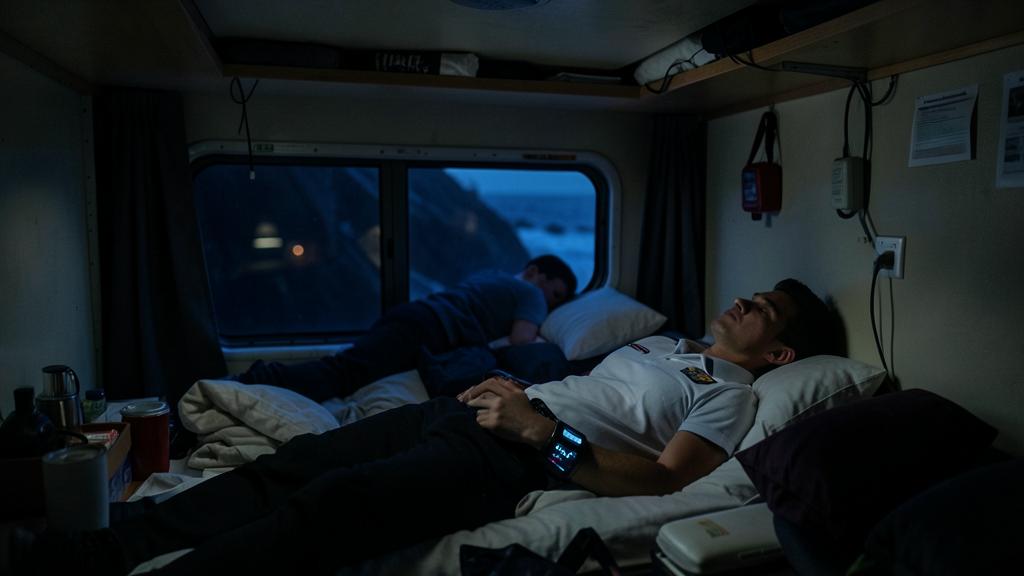
Actigraphy, Sleepiness Scales and Fatigue Models: What Each One Cannot See
A wrist device that records movement, a scale a person fills in about themselves, and a model that predicts an average. They…
-
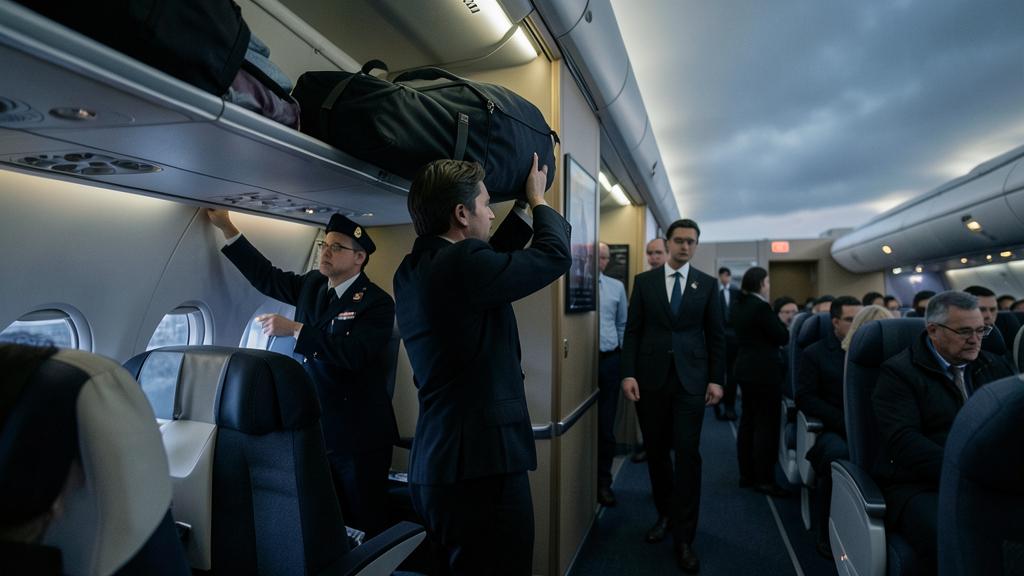
Same procedure, two cabins: how premium expectation changes the way it is done
A cabin secure check is one procedure and it does not change at the curtain. What changes is the crew ratio, the…
-
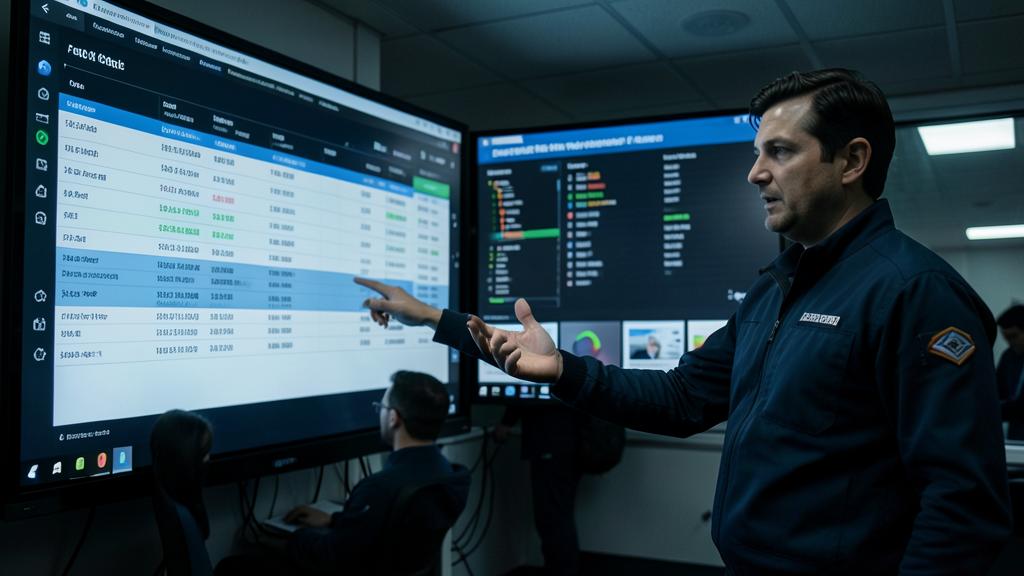
Fatigue Risk Management or Prescriptive Limits: What the Switch Really Changes
Moving from prescriptive flight time limits to a fatigue risk management system is usually described as gaining flexibility. What actually moves is…
Author: FL330
Notre Écosystème
Découvrez l’écosystème FL330
FL330, c’est toute l’aviation professionnelle — explorez nos autres espaces.


