
-
Understanding the active mode before it catches you out
Descending towards an intermediate level, the monitoring pilot calls the new clearance, the pilot flying sets the altitude, and the aircraft keeps…
-
Fatigue early in a career: recognising your own state
Fourth day of the week, four sectors, report at four in the morning after five hours of sleep, and you feel perfectly…
-
Disagreement on the flight deck: what to do when the other pilot will not change their mind
The captain continues the approach, the first officer calls a deviation that is not being corrected, the call is repeated, nothing changes.…
-
Anticipating a Flight’s Threats Before Boarding
“Weather, terrain, traffic.” The briefing lasted forty seconds and could have been recorded once and replayed forever: nothing in what was just…
-
When to Disconnect: The Situations Where Automation Costs More Than It Delivers
A short radar vector, a runway change announced a few miles from the field, and suddenly four hands are on the keypad…
-
Recognising an unusual attitude before it takes hold
High-altitude cruise, autopilot in altitude hold, not a single warning light. The trimmable horizontal stabiliser, meanwhile, has been running nose-up for several…
-
Surprise and freeze: the first seconds decide the rest
A briefed exercise is handled without delay: the crew knows what is coming, the hand is already on the right control, the…
-
Debriefing Your Own Flight: A Method for When No One Else Will
Four sectors, last rotation, end of the evening. The go-around on the second sector was never discussed, either in the moment or…
-
Error Made, Error Detected: The Recovery Chain
A trainee steps off a line flight sector convinced he flew badly: he counted four errors. The instructor logged only one, the…
-
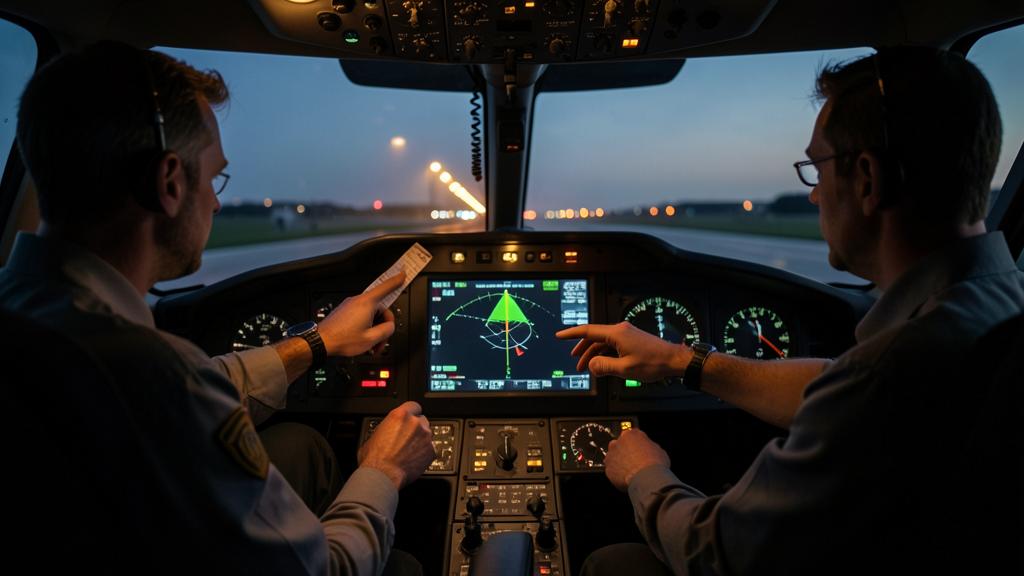
Threats, Errors, and Undesired States: The Model That Structures the Debrief
A short flight, an uneventful day: an inoperative item accepted at departure, a runway change during start-up, an ATC instruction applied with…
Tag: facteurs humains
Notre Écosystème
Découvrez l’écosystème FL330
FL330, c’est toute l’aviation professionnelle — explorez nos autres espaces.


