
-

What the simulator cannot teach you about upset attitudes
A trainee flies two clean recoveries in an upset attitude session, is marked “achieved”, next session. A few months later, on the…
-
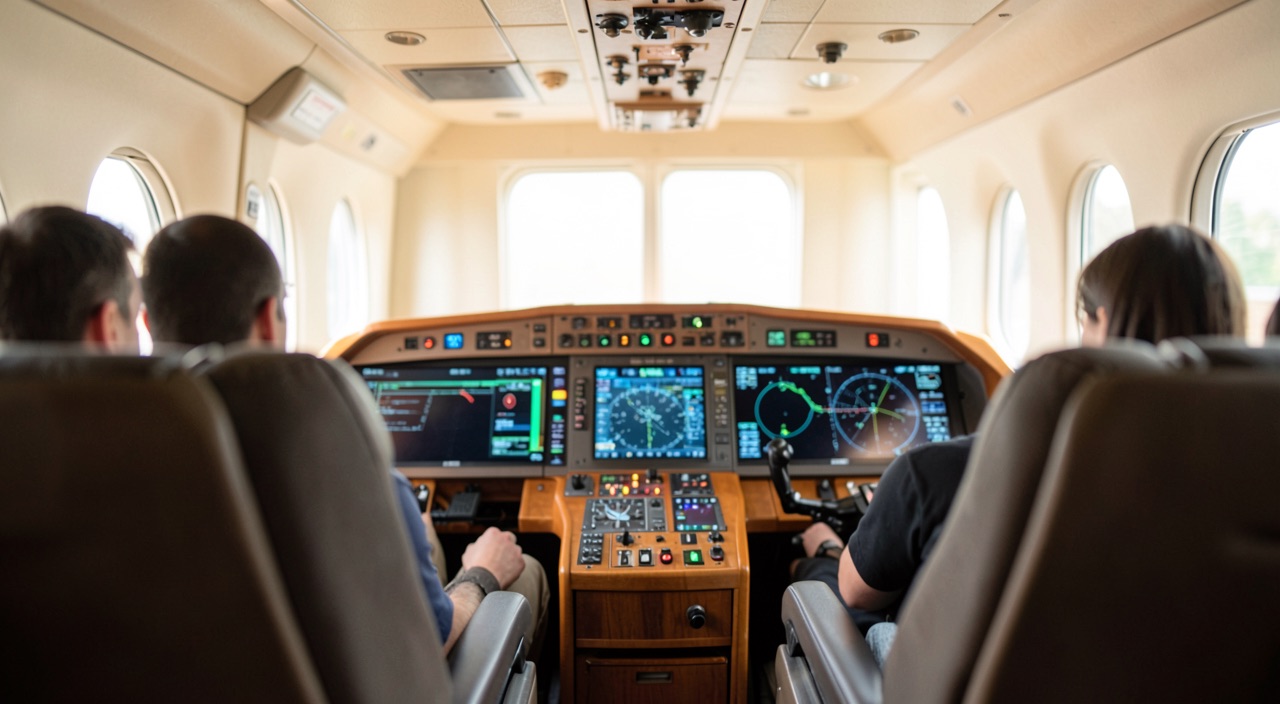
Recognising an unusual attitude before it takes hold
High-altitude cruise, autopilot in altitude hold, not a single warning light. The trimmable horizontal stabiliser, meanwhile, has been running nose-up for several…
-
Surprise and freeze: the first seconds decide the rest
A briefed exercise is handled without delay: the crew knows what is coming, the hand is already on the right control, the…
-
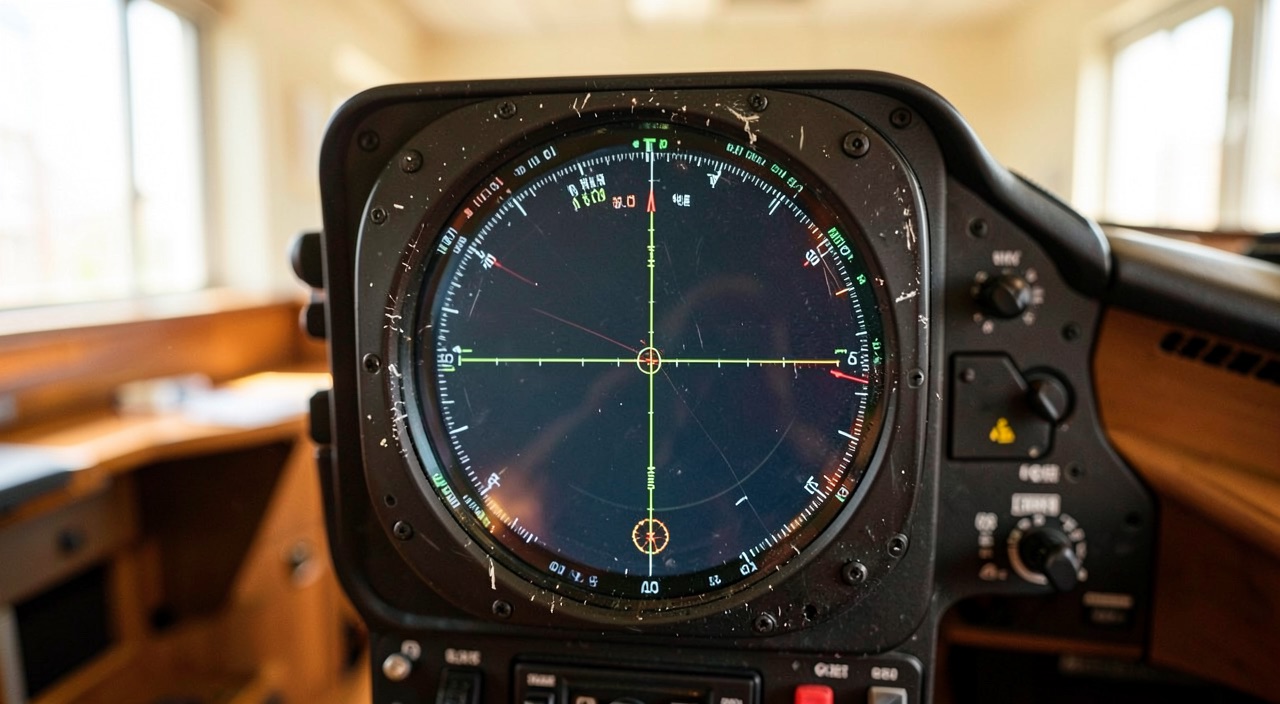
Nose high, nose low: two recoveries with nothing in common
The autopilot drops out at the top of the climb, the pitch attitude is steeply nose-up and the airspeed is collapsing; or…
-

Upset recovery: why this training became mandatory
For decades, a successful stall exercise looked like this: warning, thrust set to the stop, attitude held, a few dozen feet lost,…
-
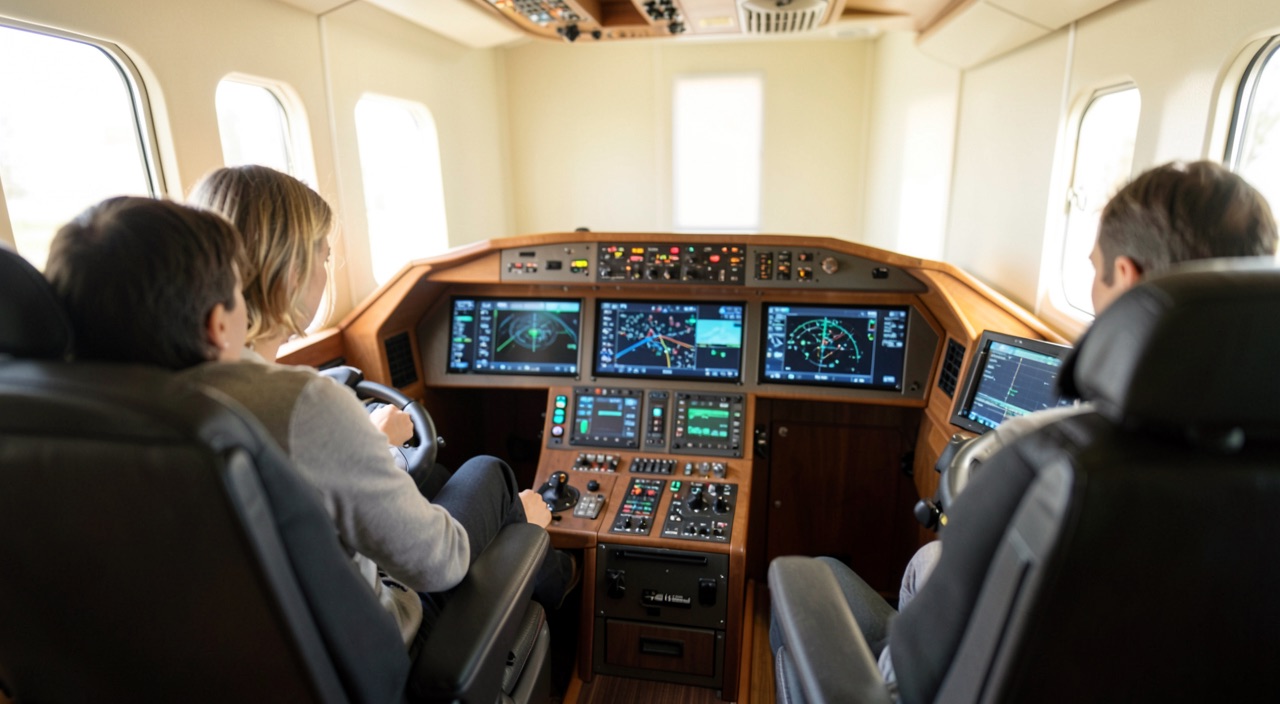
A spiral dive is indistinguishable from a pull-out: reading the instruments in the right order
Nose below the horizon, airspeed climbing, vertical speed indicator against its bottom stop, altimeter unwinding, aerodynamic noise rising: these five indications are…
Tag: UPRT
Notre Écosystème
Découvrez l’écosystème FL330
FL330, c’est toute l’aviation professionnelle — explorez nos autres espaces.


