
-
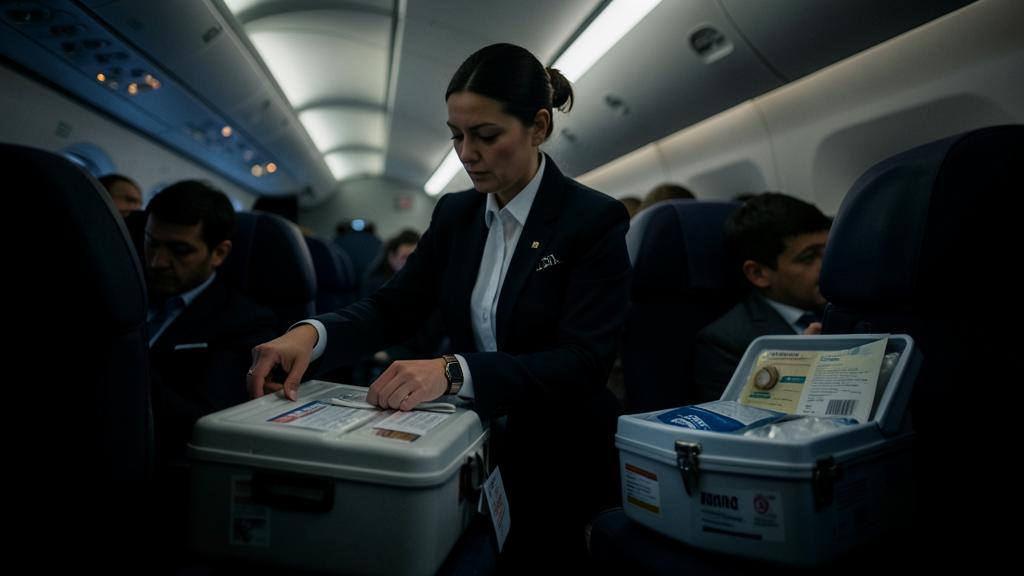
Two kits on board: why the emergency medical kit does not open like the other
One kit cabin crew open on their own initiative. The other is sealed, opened on the commander’s authority, and its opening starts…
-
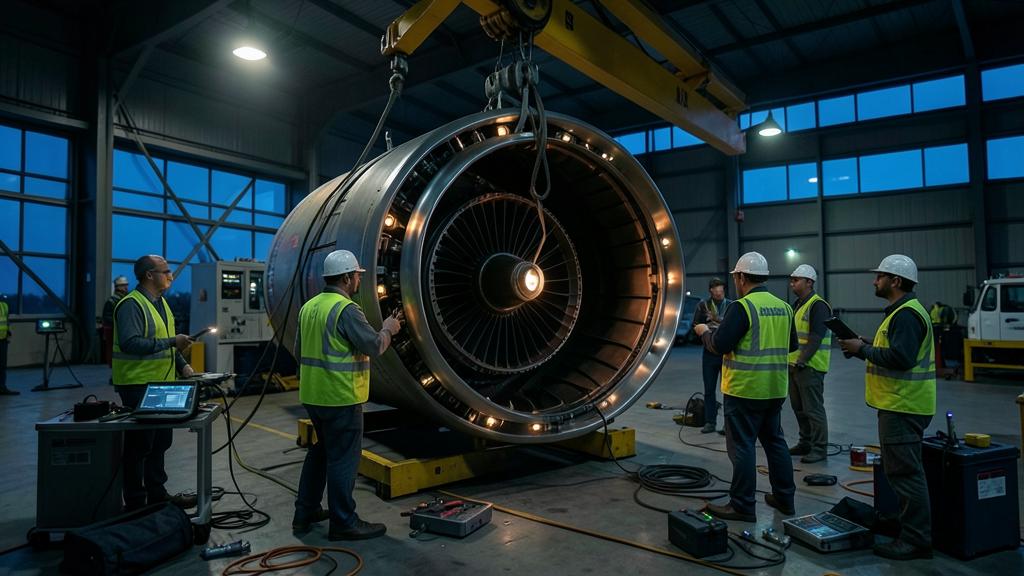
Shop Visit Workscope: How Time on Wing and Cost per Cycle Decide What Gets Opened
A workscope is written before anyone has seen the hardware, and it is a bet rather than a diagnosis. What separates a…
-
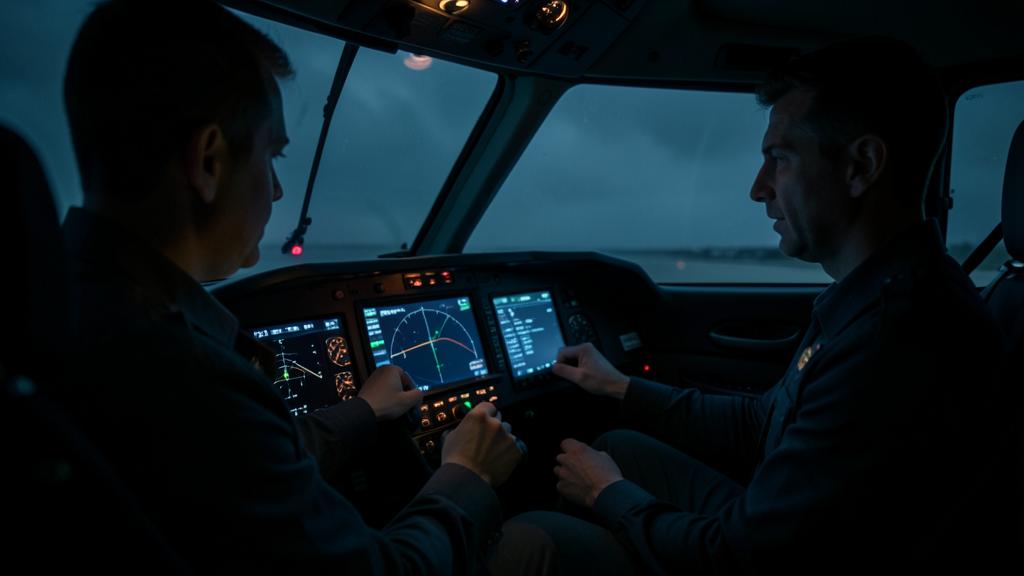
The Window of Circadian Low: Why an Hour Flown at Night Is Not Worth an Hour Flown by Day
Duty limits are weighted by the body clock, not by elapsed time. Where the 02:00 to 05:59 window comes from, why an…
-
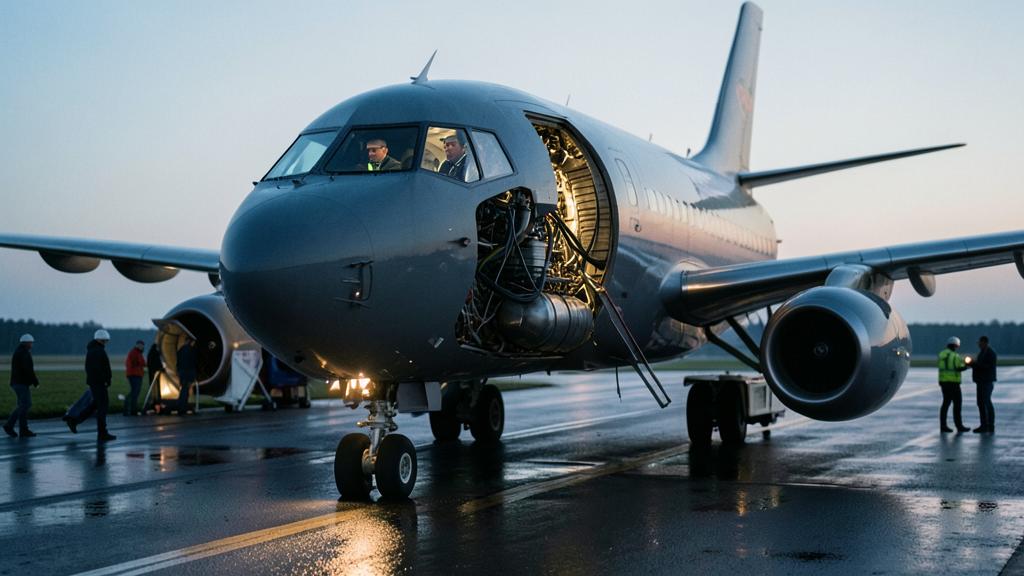
Takeoff CG Tells You Nothing About Landing CG
The loadsheet certifies one instant. Fuel burn, a tank sequence chosen for the wing rather than for the balance, and movement in…
-
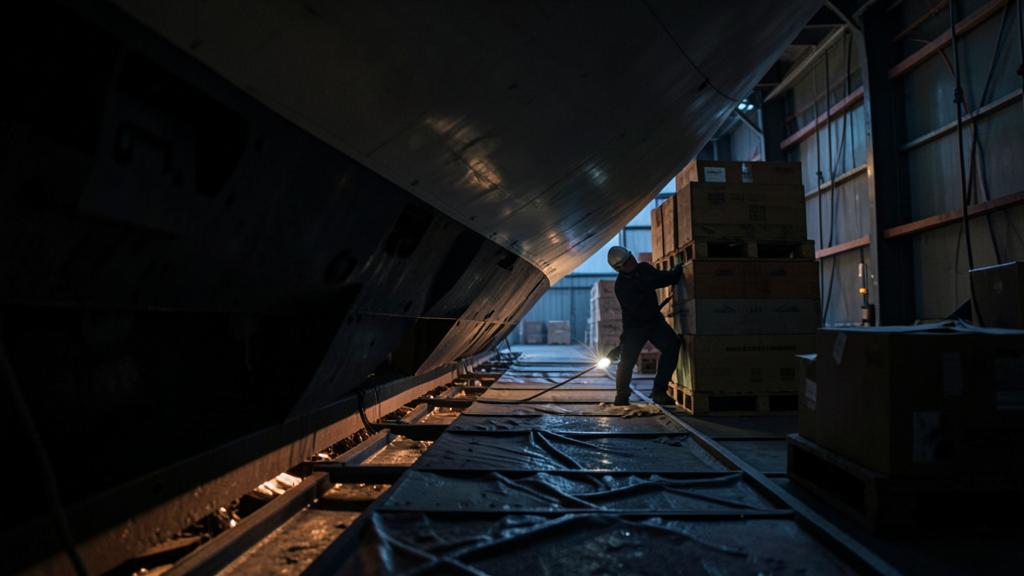
What the Loadsheet Index Cannot See: Floor Loads and Running Loads
The index is a rescaled moment, and it works by discarding everything except the moment. A compliant centre of gravity can sit…
-
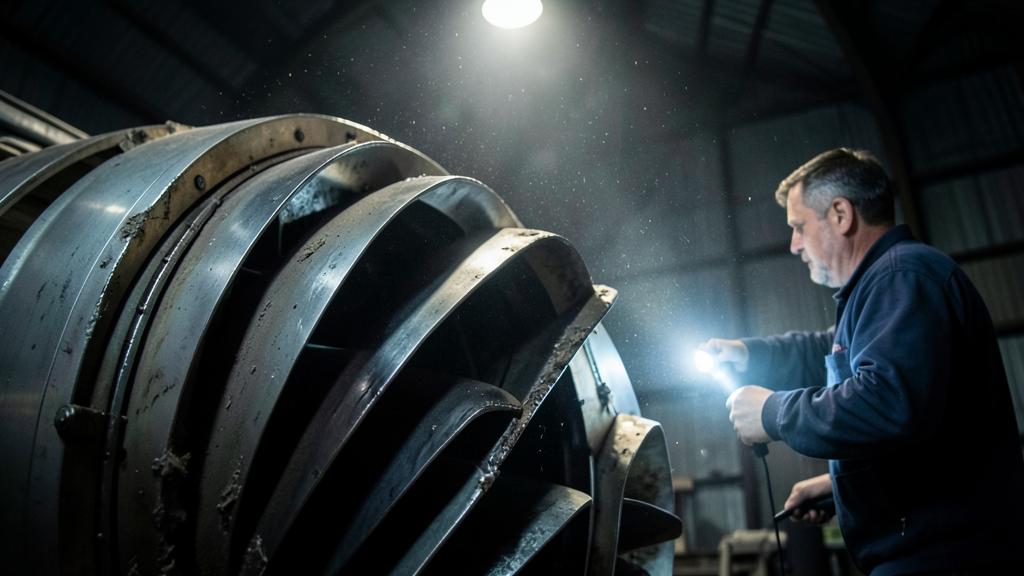
Operating in Abrasive Air: What Sand Takes From an Engine Before Its Time
Sand does not do one thing to a turbine, it does three, and only one of them washes off. How erosion, fouling…
-
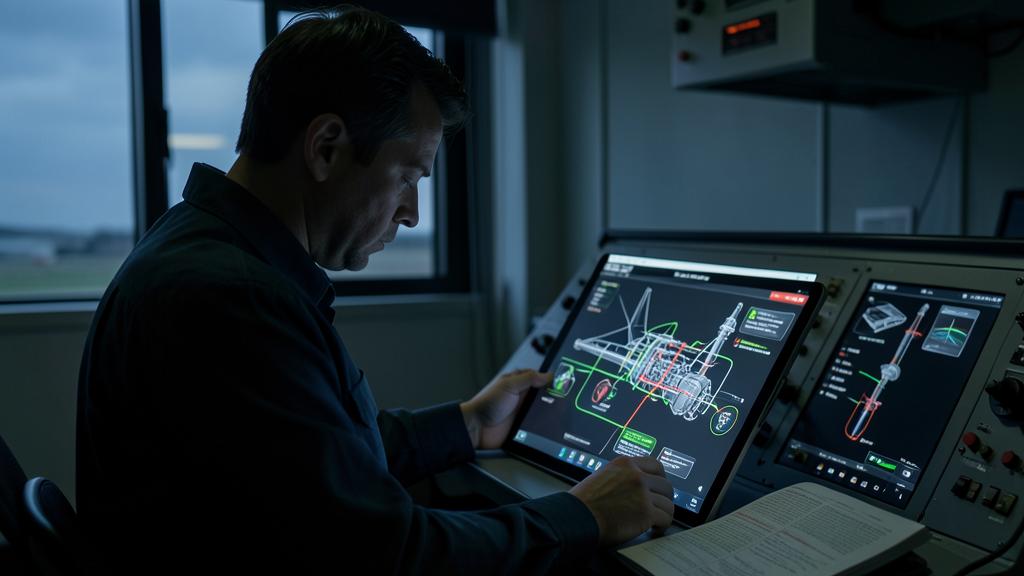
Systems courses at a distance: where screen learning stops, and why
Distance modules teach aircraft architecture better than most classrooms and cannot teach the order in which you interrogate it under pressure. What…
-
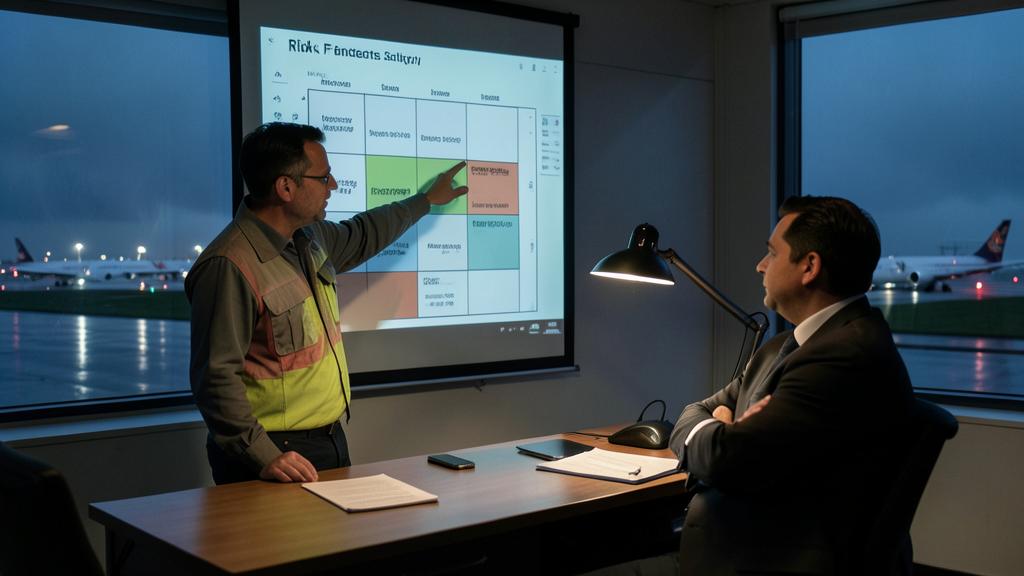
Funding a safety barrier when the risk has never materialised
When the outcome you want to prevent has never occurred in your operation, inventing a probability is the fastest way to lose…
-
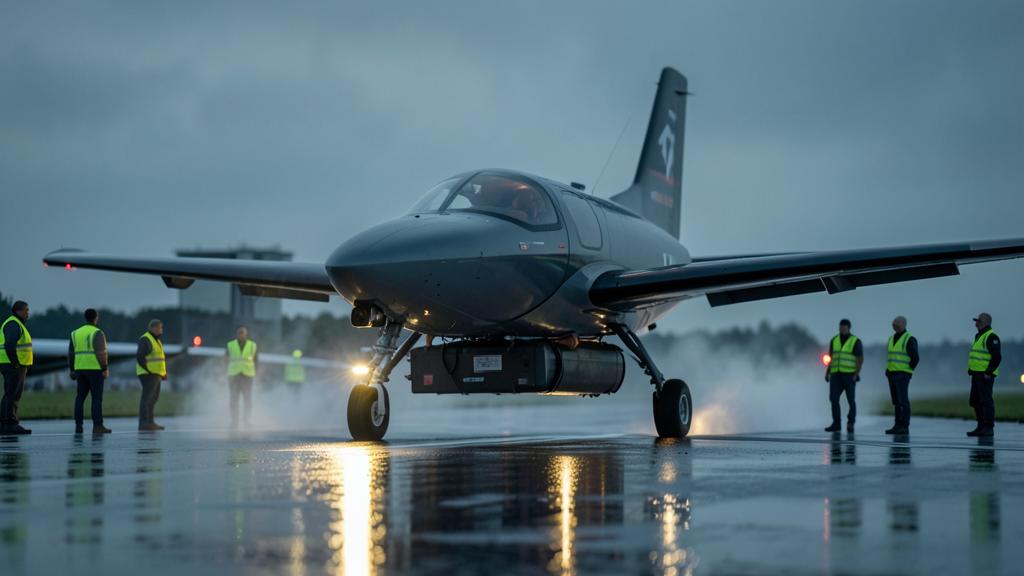
Batteries and the Mass Budget: Why an Electric Aeroplane Always Lands at Its Maximum
A battery weighs the same empty as full, so take-off mass and landing mass become one number. That equality, not the advertised…
-
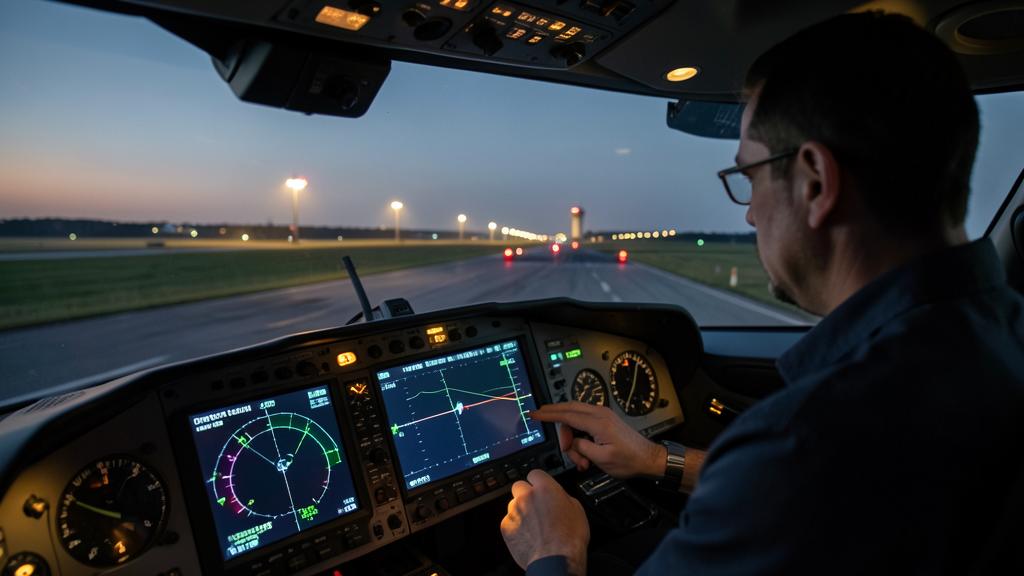
Contingency Fuel: What a Consumption Monitoring Programme Really Buys You
Reducing contingency fuel is not a bet on the weather. It is a bet that your own consumption record is complete, correctly…
Author: FL330
Notre Écosystème
Découvrez l’écosystème FL330
FL330, c’est toute l’aviation professionnelle — explorez nos autres espaces.


